



Modern warehouse management is increasingly prioritising the synergy between worker safety and operational throughput. By focusing on optimising warehouse ergonomics, companies can significantly reduce the physical toll on employees while simultaneously streamlining material handling workflows. One of the most effective tools for achieving this balance is the industrial scissor lift table. These systems function by bringing the work to the worker, effectively eliminating the need for hazardous bending, reaching, and repetitive manual lifting. When equipment is properly integrated into a facility, it transforms standard tasks into efficient, low-impact processes, which is why many industry leaders turn to experts at saxlift.com to find tailored lifting solutions that meet specific site requirements.
Why scissor lift tables are essential for ergonomics in the warehouse
The primary ergonomic advantage of a scissor lift table is its ability to position heavy loads within the power zone, typically defined as the space between mid-thigh and mid-chest height. When materials remain in this range, workers avoid the musculoskeletal strain associated with stooping or overextending the back and shoulders. By minimising these awkward postures, warehouses can drastically lower the risk of injury and fatigue, which are often cited as major factors in long-term staff turnover and lost productivity. Beyond injury prevention, these tables provide a stable platform that ensures load consistency, reducing the likelihood of accidents during the loading, unloading, or assembly phases of the supply chain.
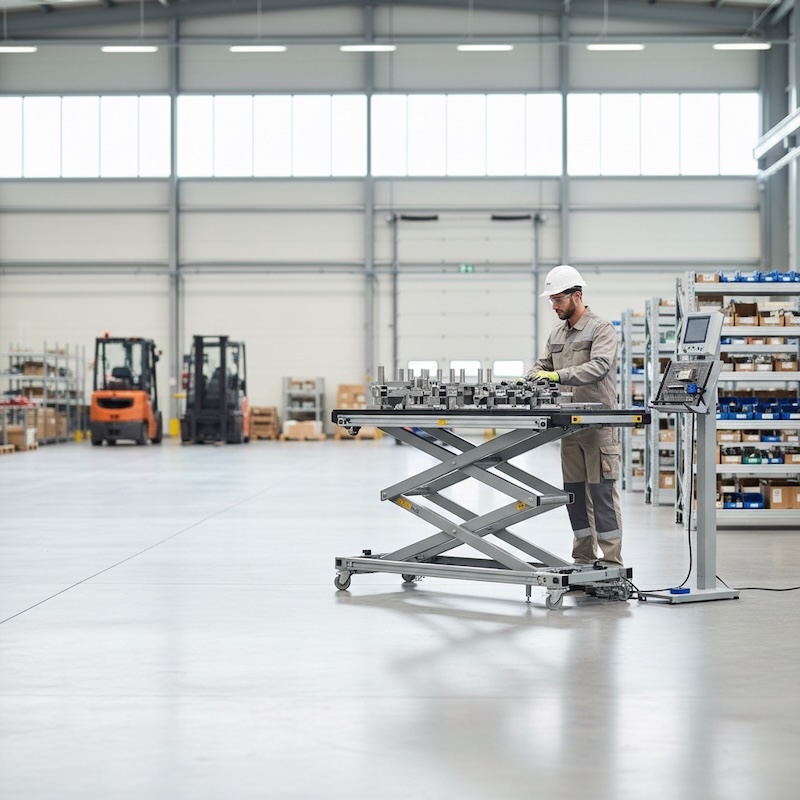
Beyond the immediate health benefits for staff, implementing high-quality lift tables provides measurable gains in operational speed. Manual adjustments to load heights are time-consuming and prone to inconsistency, whereas a powered lift table allows for rapid, precise height changes at the touch of a button. This consistency ensures a steady workflow, preventing bottlenecks at critical points such as packing stations, conveyor lines, and racking areas. To maximise these gains, many operations are moving toward task-specific configurations that integrate specialised surfaces, such as:
Selecting the right equipment requires a careful assessment of your unique operational environment. When choosing a system, managers should prioritise factors such as load capacity, total vertical travel, and the duty cycle required for the specific application. Whether the task involves heavy-duty assembly or high-volume picking, the goal is to create an ergonomic workstation that supports the worker throughout their entire shift. By viewing these systems as a long-term investment in both human capital and infrastructure, businesses can create a safer, faster, and more sustainable warehouse environment that is prepared for the demands of modern logistics.