



Brick-and-mortar shops face intense pressure to deliver rapid transactions. Modern shoppers expect immediate service from the moment they select an item to the final checkout step. Slow retail networks frustrate buyers, cause longer lines, and lead to abandoned shopping baskets. Maintaining a fast network setup keeps everyday operations running smoothly and prevents missed sales opportunities.

Navigating Complex Infrastructure With Network Professionals
Setting up robust store systems requires careful planning. You can talk to a GTT expert to gain insights into managing bandwidth demands. This guidance helps prevent unexpected dropouts during peak shopping hours.
Retailers frequently face technical hurdles when linking multiple storefronts. Specialised knowledge simplifies the selection of secure network setups. Choosing the right path protects transaction data from potential threats.
Collaborating with technical teams removes the guesswork from infrastructure updates. Experienced engineers evaluate current hardware setups to spot hidden bottlenecks. Correcting these issues early saves capital resources and prevents future service disruptions.
The Balance Between Digital and Physical Spaces
Modern commerce requires a balance between digital presence and physical store capability. Data from a global consumer insights study reveals that 59% of individuals prefer online shopping, yet 41% still choose to visit physical stores. Physical storefronts remain a key piece of the retail puzzle for brand engagement.
Maintaining high performance in physical locations rewards brick-and-mortar brands with higher customer satisfaction. Reliable cloud access links inventory databases to checkout points instantly for accurate stock tallies. Stores must prepare their systems to handle steady data flows without facing sudden interruptions.
Sellers who invest in storefront technology create memorable buyer journeys that increase repeat visits. Merging digital tools with physical displays captures the attention of modern consumers very effectively. Strong connections keep these diverse systems working together across the entire store floor.
Meeting the Demand for Frictionless Payments
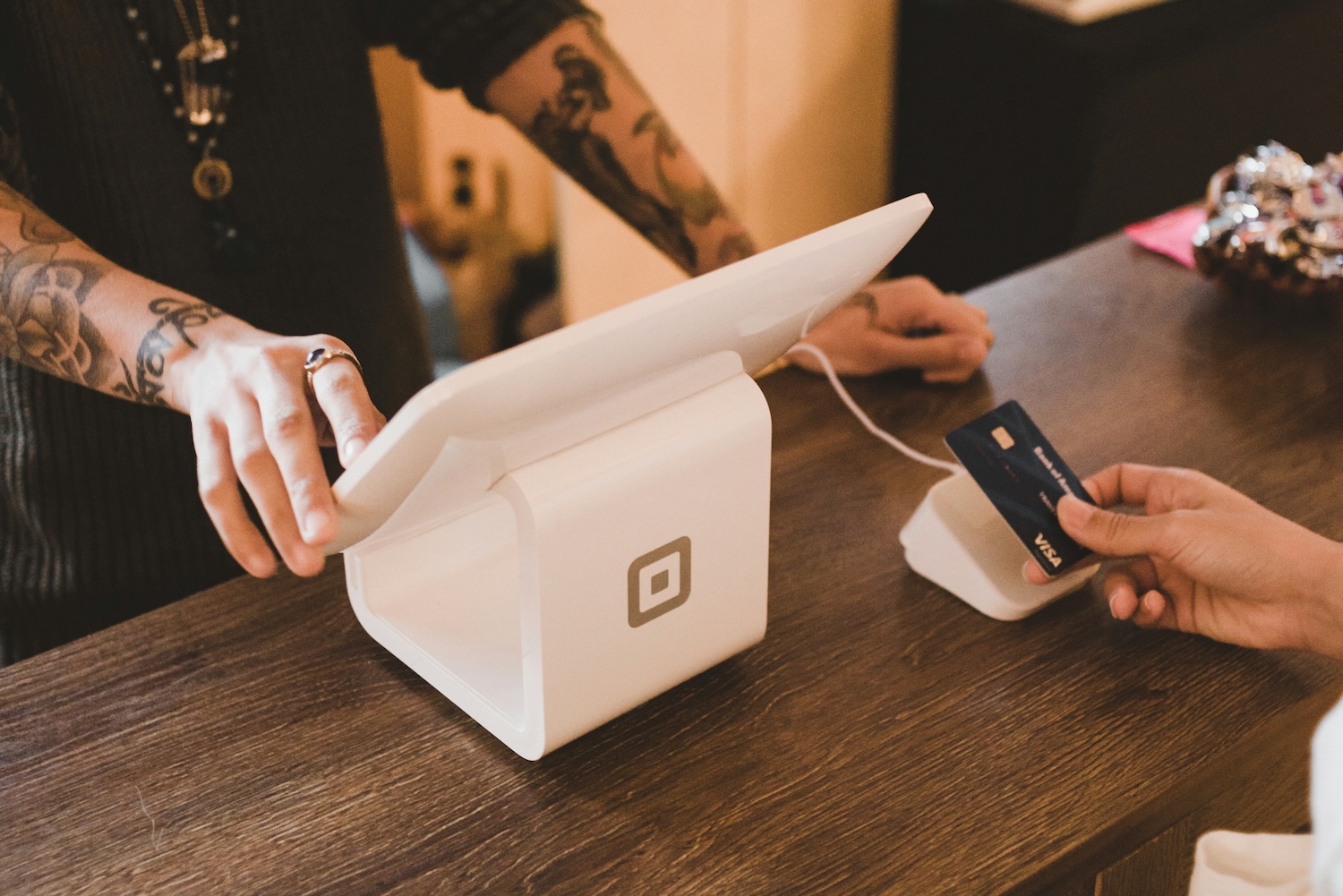
Customers expect payment choices to be fast, reliable, and completely invisible. A recent retail industry trend analysis pointed out that contactless and frictionless payment methods represent the forefront of retail innovation, since digital transactions became the standard in 2025. Adapting to these preferences protects local market share against agile competitors.
Legacy point-of-sale systems often struggle with modern encrypted payment protocols and high-speed authorisations. Upgraded cloud-managed networks handle these heavy requests in milliseconds to keep checkout lines moving. Shorter lines at the register improve overall customer satisfaction scores and brand loyalty.
Quick transaction handling reduces customer walkouts near the register area during busy hours. Buyers value their personal time and appreciate companies that respect it through efficient service. Upgrading backend systems directly protects daily revenue, making sure locations do not lose a single $1 of profit.
The Role of In-Store Wireless Networks
Shoppers frequently use mobile devices as personal shopping assistants to compare deals. A technical report from a wireless solutions firm mentions that almost all consumers use their smartphones to check product information or make in-store purchases, making Wi-Fi connectivity necessary for brick-and-mortar storefronts. Offering stable connection options keeps buyers engaged inside the premises longer.
A well-structured wireless network segregates corporate operational tasks from public internet usage. This smart setup safeguards payment terminals from traffic congestion caused by customer smartphones.
Implementing separate network lanes provides clear benefits:
- Better security for financial hardware
- Consistent speeds for staff handhelds
- Clean analytical data on store foot traffic
- Reduced interference during software updates
Providing guest access can prolong the time guests spend exploring retail aisles. Connected visitors easily share discoveries on social media platforms with their friends. This organic interaction serves as free promotion for the business and drives extra store traffic.
Bandwidth Management for Point of Sale Terminals
Smart registers require reliable data feeds to authorise credit card payments securely. When background applications hog internet speeds, checkout times suffer a noticeable decline. Prioritising transactional traffic keeps the business profitable and prevents register slowdowns.
Network administrators often allocate fixed bandwidth shares to critical payment tools and hardware. This simple strategy guarantees that heavy inventory lookups do not slow down card readers. Consistent connection speeds build trust with everyday consumers who want quick service.
Modern registers do much more than handle cash and print paper receipts. They sync with loyalty programs and update stock counts in real time across networks. Dedicated network lanes keep these processes from lagging during peak periods.
Future-Proofing Modern Store Designs
Retail environments undergo frequent layout updates to highlight seasonal merchandise or promotions. Fixed wiring can limit where registers stand and disrupt creative floor plans. Wireless network architectures grant store managers complete freedom to redesign spaces whenever needed.
Adopting flexible connectivity prepares businesses for upcoming technological developments in the retail sector. Next-generation systems adapt to smart shelves and automated scanning and tracking systems easily. Forward-thinking investments prevent costly retrofitting tasks further down the road.
Modern brands must stay agile to compete with expanding online platforms. Upgrading network gear allows companies to deploy mobile payment carts during busy holiday rushes. Versatile setups adapt to changing market conditions and rising guest expectations.
Reliable store connections form the foundation of modern retail success in a competitive market. Eliminating friction at the register secures consumer loyalty and strengthens brand reputation over time. Investing in network upgrades protects profit margins against unexpected technical failures. Seamless digital experiences turn casual visitors into long-term patrons.