

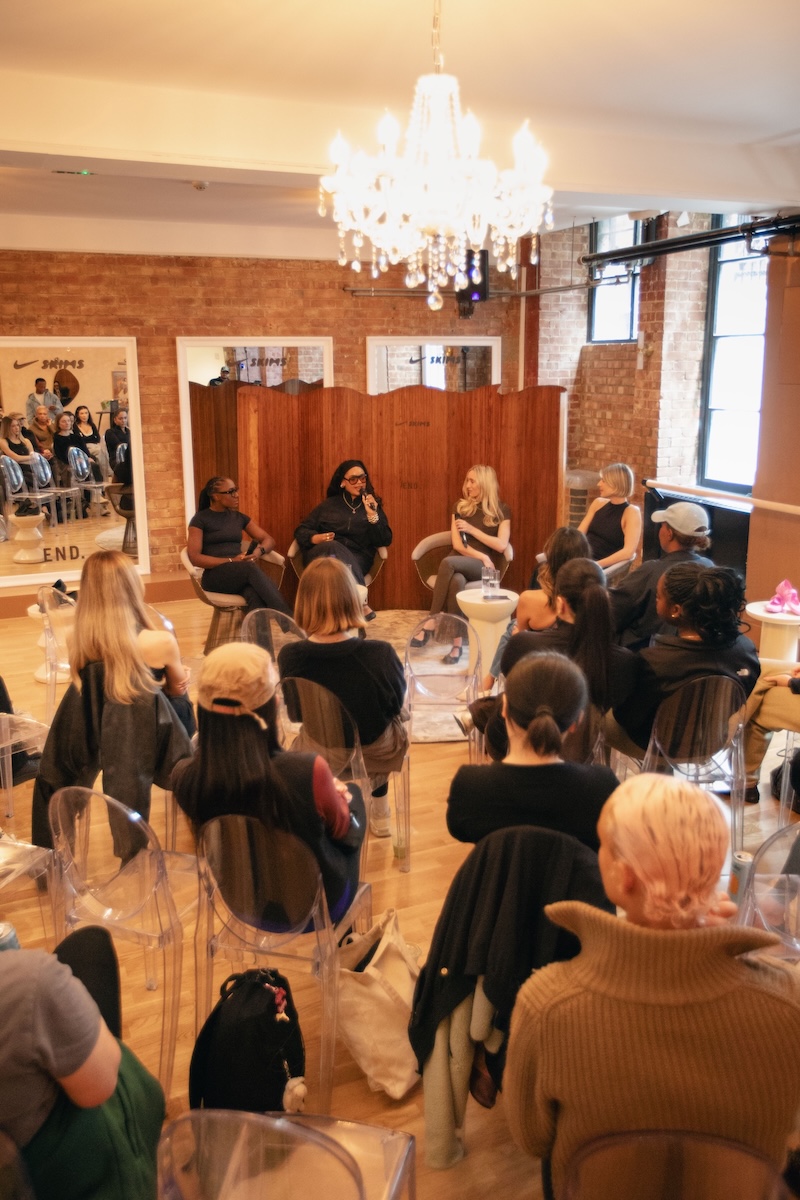

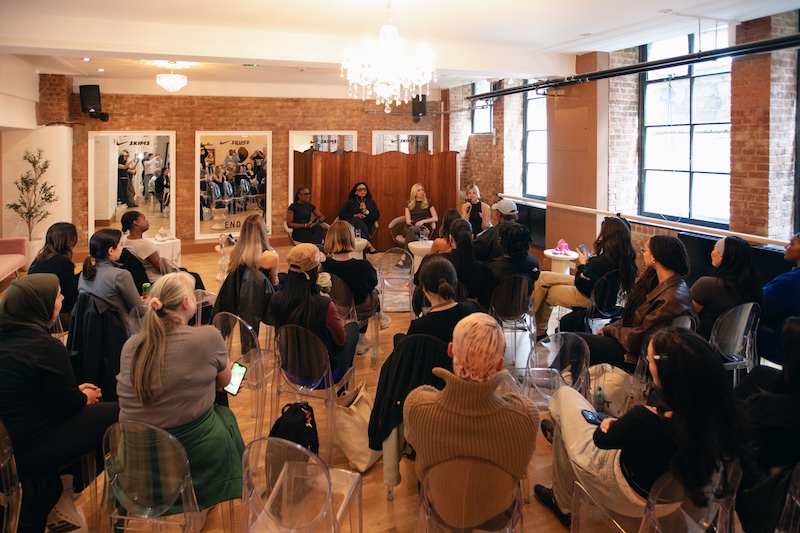
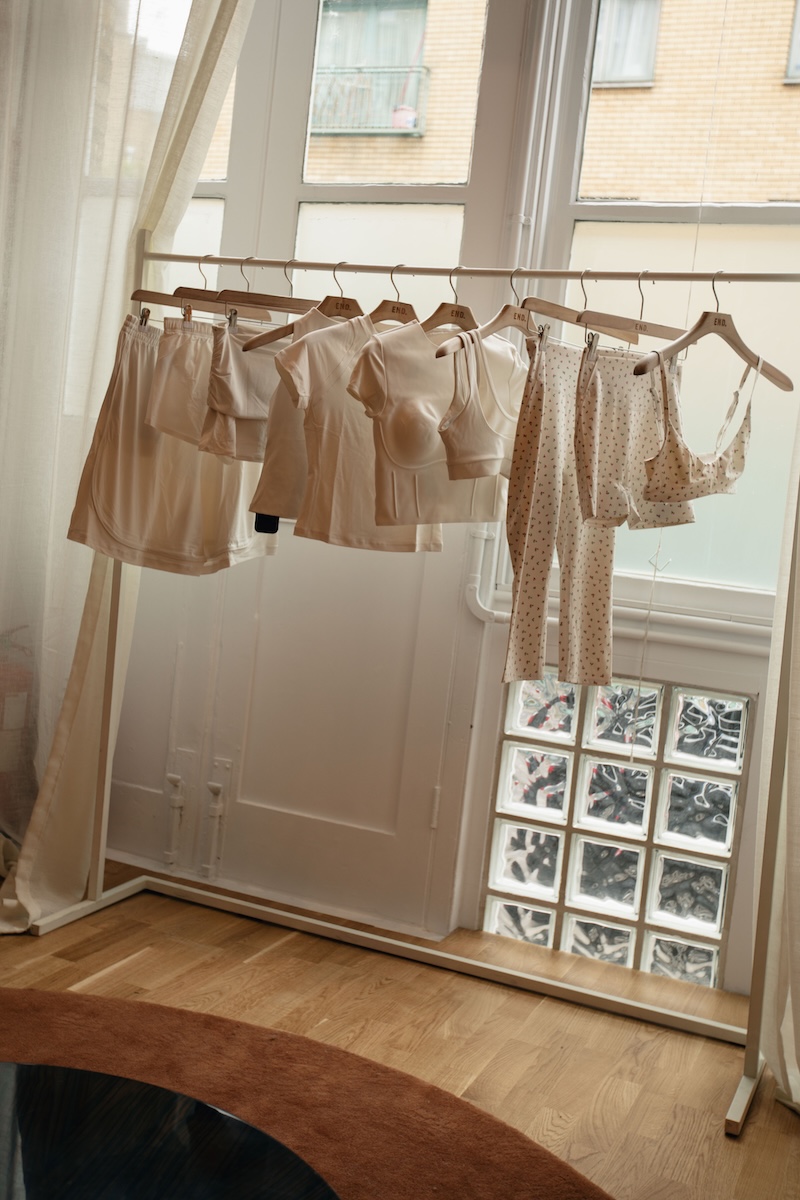
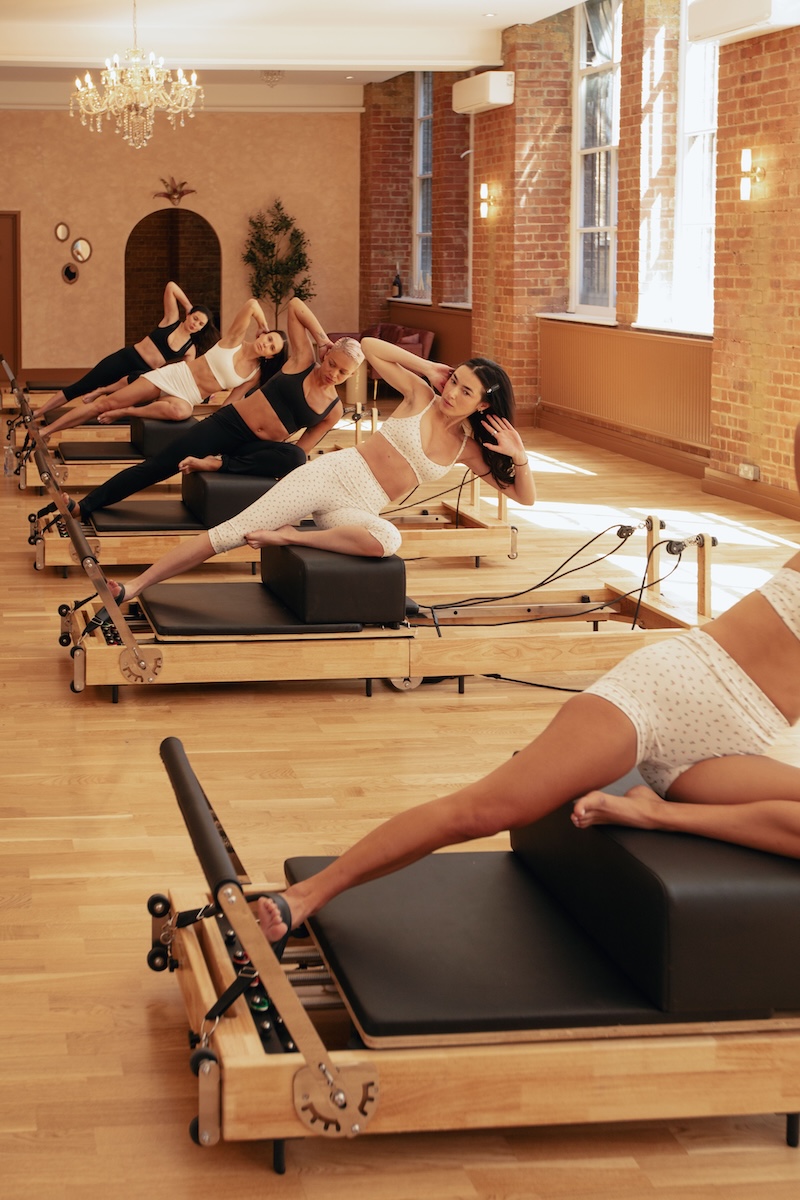
Fashion retailer, End. Clothing dropped the latest NikeSKIMS seasonal collection. They launched this with a one-day wellness experience. celebrating the origins and technical precision of the Pilates method. The event featured a pilates masterclass, a mat class and an interactive panel discussion, giving guests the chance to put the garments to the test and learn more behind the partnership. It was proof that retail relevance isn’t built on product alone.
At a time where 61% of Gen Z consumers prefer discovering new products in-store rather than online, shoppers’ needs go beyond just a product drop. Today, consumers move seamlessly between online and physical worlds and expect a consistent level of creativity across all touch points – from creators’ 60 second TikTok try-on hauls to ‘third spaces’ that feel like second homes. Clips from the event prove that it’s no longer just about buying a product, customers discuss, feel and want a deeper understanding of how the product supports their specific needs.
The problem: most stores still feel like shops
Even with this being the case, many brands forget that they are no longer competing in a world where the store next to them is their biggest competitor. It’s a dangerous oversight that, as seen by legacy-brand Claire’s recent closure in the UK, can have devastating consequences.
The issue is not effort. It is focus. Spaces are still largely product-led and static, built for browsing rather than belonging. They speak to intent not curiosity and, for the everyday shopper, that creates a gap.
If you are just passing through, sparkly tops on rows of hangers and radio music blasting from shop speakers is unlikely to encourage you to return.
Retailers today are up against brands like Edikted, which was recently featured in a piece for its ‘bright neon signs’ and ‘heart-shaped door arches’ intentionally designed to be Instagrammable.
Against a backdrop of stores like Edikted, which are designed to reflect the way that people move seamlessly between online and offline communicates, flagships that appear generic simply cannot compete.
Cultural relevance must be built, not draped on hangers
The most effective spaces romance the product story. Thoughtful retail design should help customers understand why a product performs differently, why it commands a particular price and the community it offers alongside it.
In addition to telling a brand’s story, retail design should also prove its claims – and this is where physical retail still holds a powerful advantage over ecommerce.
Nike’s House of Innovation (which is designed to be ‘stores for the next generation’) does this well. Here, athletes can engage in data-driven trials while digital displays and interactive surfaces let shoppers test products, simulate different conditions and track performance metrics. It’s tailored, culturally relevant and experiential.
The stores that are best able to create cultural relevance are often those that reflect real lives, not idealised ones.
Glossier understood this early on, creating stores that felt more like’ third spaces’ than a building to buy and sell goods. It’s backed up by fashion designer/ content creator Martha Salmero, who shared her experience visiting a Glossier store with her Instagram community. She stated that it was evidently ‘designed to convey calm, purity and visual impact’ and ‘communicates the brand’s identity’ well. This is especially important in an age where younger consumers, particularly Gen Z’s, are committed to finding experiences to help them feel ‘functional inside lives that feel heavier, noisier and more constrained than they used to’, as discussed in this report.
As a result, brands should be increasingly borrowing from hospitality and culture to connect with consumers. Cycling brand Rapha has built this into its DNA, with Clubhouses that combine shopping, cafés and events. The product is still there, but it sits within a broader experience. Time spent in these spaces builds loyalty in a way that quick transactions cannot.
From collaboration to connection
Well-considered brand partnerships, such as the one between Nike and SKIMS , are great ways to connect with communities, expand and bring cultural credibility to specific audiences (in this case, women who are passionate about looking and feeling good). If the physical space didn’t reflect that same energy, the impact would stop at the product.
The role of the store has fundamentally shifted from a place that facilitates transactions to one that earns attention, time and emotional investment. In a landscape where consumers can buy anything at any time, the physical space needs to justify why it exists.
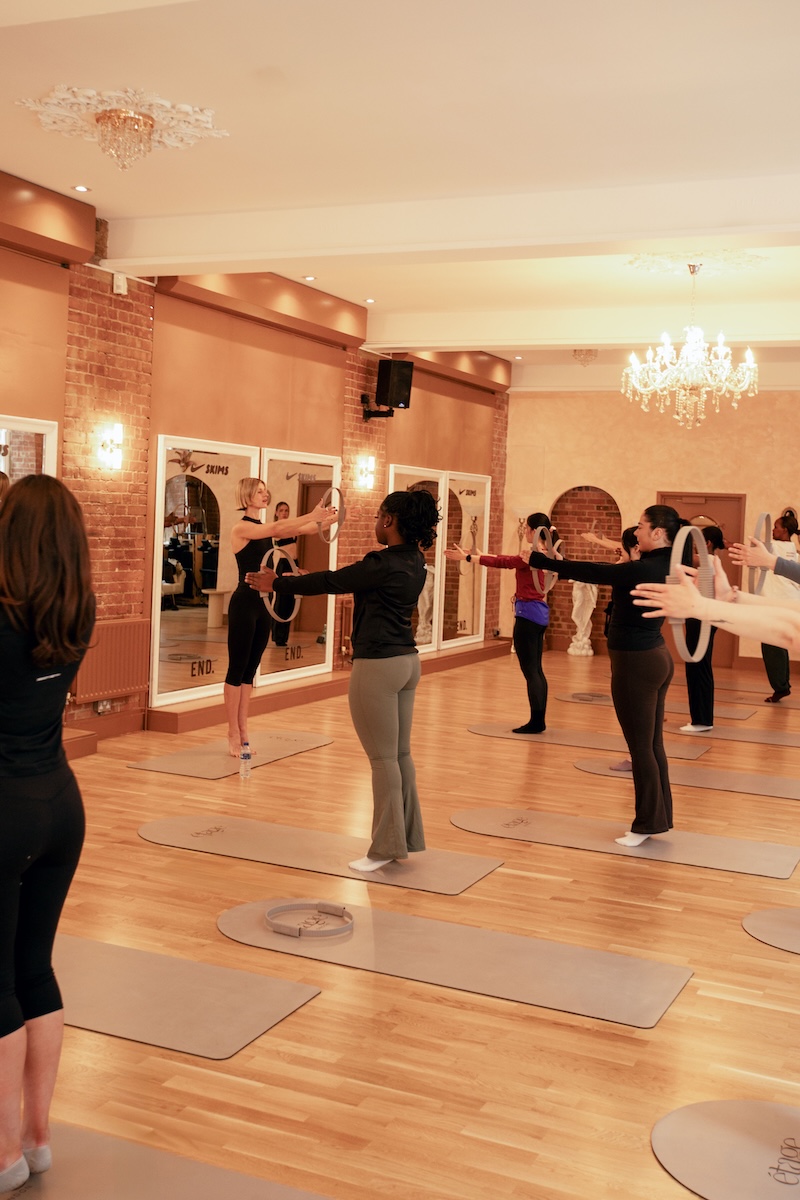
The most effective stores understand this because they are designed around people. They invite participation and reflect consumers’ needs – designing with the purpose of connection. This is what sets a store apart from online – they must be spaces that go beyond a simple transaction and provide shoppers with a deeper connection or affinity to the brand or retailer – an extension of their own community.
Success in physical retail now depends on a fundamental rethink. We should be treating stores not as points of sale, but as platforms for culture and connection. The real challenge is no longer a question around how to drive the initial footfall, but rather giving consumers a reason to stay.