



The metrics retail used to swear by are quietly losing their grip. Dwell time — that cherished indicator of shopper engagement — no longer means what it once did. Customers who linger aren’t necessarily buying more. And customers who buy quickly aren’t necessarily disengaged. What’s happening to physical retail in 2026 is less a crisis of footfall and more a fundamental renegotiation of why people show up at all.
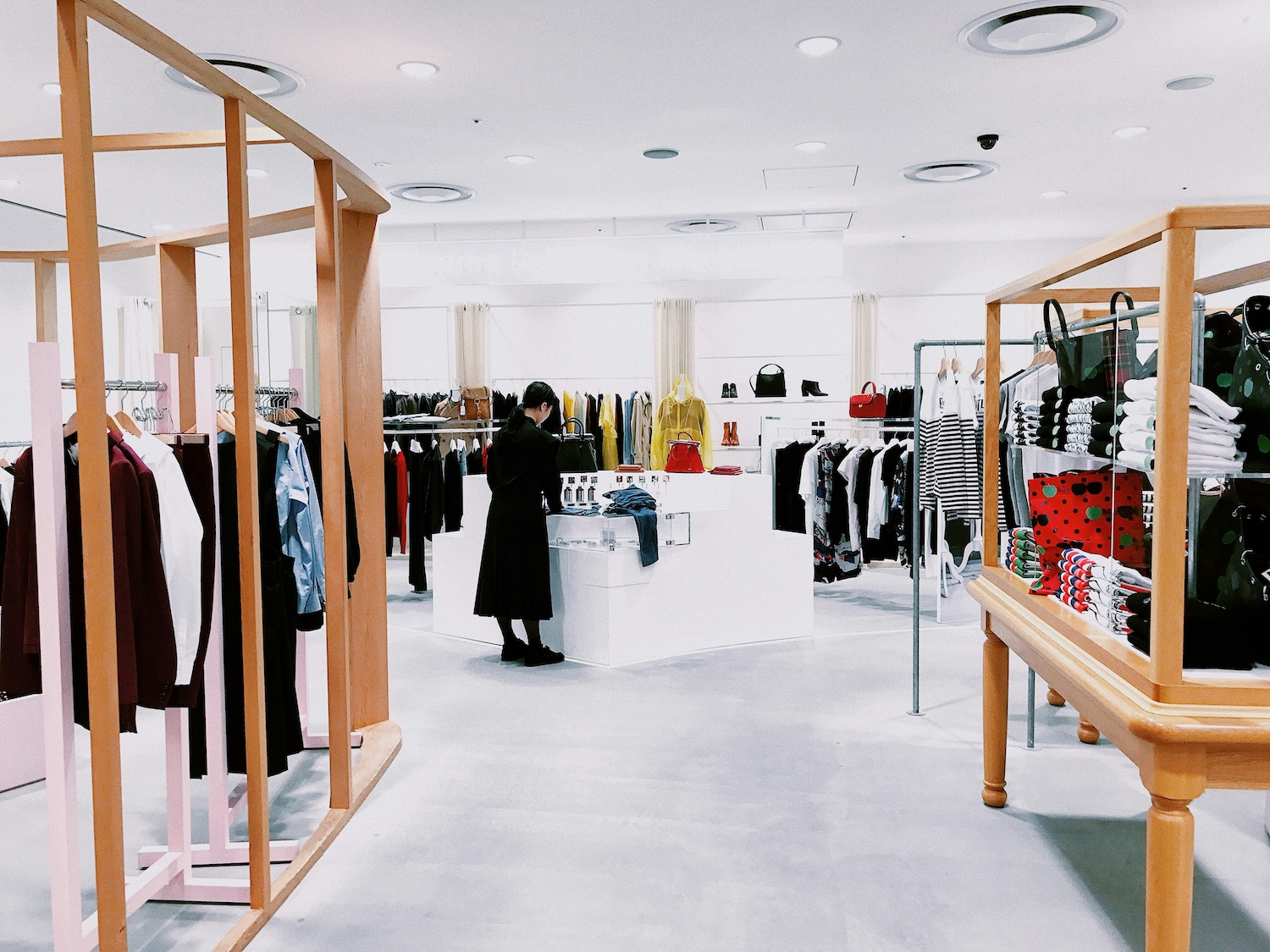
This shift didn’t arrive with a press release. It’s visible in the design choices brands are making, the locations they’re choosing, and the strange new mix of uses appearing in spaces that once held fast fashion. A former Topshop unit on Oxford Street now houses a wellness studio next to a curated vintage concession and a coffee bar that doubles as a listening room on weekends. The logic isn’t obvious until you sit in it — and then it makes complete sense. These aren’t retail stores. They’re scheduled experiences that happen to sell things.
The Goodbye-to-Browsing Problem
For most of the last decade, the optimistic argument for physical retail leaned heavily on the idea that people still want to touch, feel, and try before they buy. That remains partly true. But it’s not a sufficient anchor anymore. Browsing as a leisure activity has migrated almost entirely online, powered by recommendation algorithms, social commerce, and a generation of consumers who preresearch obsessively before they step inside anywhere.
Data from recent UK retail research suggests that a significant share of shoppers now enter a store already knowing what they intend to buy — the decision has already been made, often on a phone, often with the help of tools that surface deals and contextual pricing. Platforms offering promo codes UK have become a routine stop in the digital pre-visit journey, normalising price-awareness as part of the decision to leave the house at all.
This isn’t bad news for bricks-and-mortar. It’s a design brief. If customers are arriving decided, the store’s job is no longer to convince — it’s to confirm, delight, and make the actual exchange feel worth the trip.

Retail as Place-Making
The property sector has absorbed this shift faster than many brands. Developers now talk openly about “place-making” as a precondition for commercial viability. The question isn’t simply which retailers to recruit, but what combination of uses creates the conditions for return visits that aren’t purely transactional.
Westfield Stratford’s recent reconfiguration around food, leisure, and wellness anchors reflects this logic. So does the spread of regional independents into spaces previously dominated by national multiples — bookshops with event programmes, kitchen showrooms with cooking classes, cycling retailers with workshop evenings. The store becomes a node in a larger social infrastructure.
What’s notable is how this mirrors the behaviour of city-centre hospitality rather than traditional retail. Hotels invest in lobby design not because guests spend hours in them, but because the atmosphere shapes how people feel about everything else. Retail designers are borrowing this vocabulary — materiality, scent, acoustic texture, threshold experience — and applying it to spaces built around commerce.
The Return of Considered Consumption
Beneath the design conversation sits a subtler cultural shift. Across several consumer segments, particularly but not exclusively younger ones, there’s an observable move away from volume purchasing toward fewer, more deliberate acquisitions. This isn’t minimalism as aesthetic — it’s a changed relationship with objects, driven by financial realism, sustainability awareness, and sheer fatigue with the noise of fast retail.
It shows up in the growth of secondhand and recommerce channels, yes, but also in how new brands are positioning themselves. Premium basics, made-in-Britain credentials, capsule collections with genuine scarcity — these aren’t just marketing plays. They’re responding to a consumer who wants to feel that a purchase decision was worth making. The store environment, in this context, needs to carry weight. It has to justify the choice to spend rather than hold.
For designers and brand strategists, this translates into a renewed focus on provenance storytelling, material integrity, and the communication of craft — even, and especially, at accessible price points. The aesthetic of quiet quality, long associated with luxury, is migrating across categories.
Neighbourhood Over Destination
One structural change that’s easy to underestimate is the redistribution of retail gravity away from major destination centres toward neighbourhood and local high streets. Remote and hybrid working patterns that became normalised between 2020 and 2023 have not fully reversed. Large sections of the working population continue to spend more time in their immediate locality than they did a decade ago.
This has consequences for where brands need to be, but also for what they need to offer. The neighbourhood retailer operates in a different register to the destination flagship. Familiarity, community embeddedness, and local relevance matter more than brand spectacle. Some brands are finding this genuinely difficult. Their brand language was built for a different scale of encounter.
Others are finding it liberating. Smaller formats allow for more genuinely curated assortments, more staff expertise, and a kind of retail personality that large-format stores struggle to achieve. The independents who’ve survived the last several turbulent years in UK retail often have this quality in abundance — they know their customer by name, and their customer knows them.
What Comes Next
None of this resolves into a simple formula. Physical retail in the UK is not heading toward a single model — it’s stratifying. The destination centre, the neighbourhood store, the experiential flagship, the recommerce hub: all of these will coexist, serving different moments in the consumer journey and different emotional registers.
What they share is a need to justify their existence in terms that go beyond inventory availability. The store has to be somewhere worth being, for reasons that don’t reduce to price or convenience. That’s a harder design problem than it looks — and it’s the one that will define which spaces in the built retail environment earn their square footage over the next decade.