



UK high streets are under sustained pressure. Footfall remains fragile, online convenience keeps improving, and consumers have more ways to spend their leisure time than ever before. The question facing retail designers, brand managers and store strategists isn’t simply how to match ecommerce on price or range — it’s how to make a physical visit feel genuinely worth the trip.
The answer, increasingly, is experience. From immersive branded environments to hospitality-led formats and data-powered personalisation, retailers are rethinking what a store actually does. Here are five ways that shift is already reshaping foot traffic on British high streets.
Entertainment zones replacing traditional shop floors
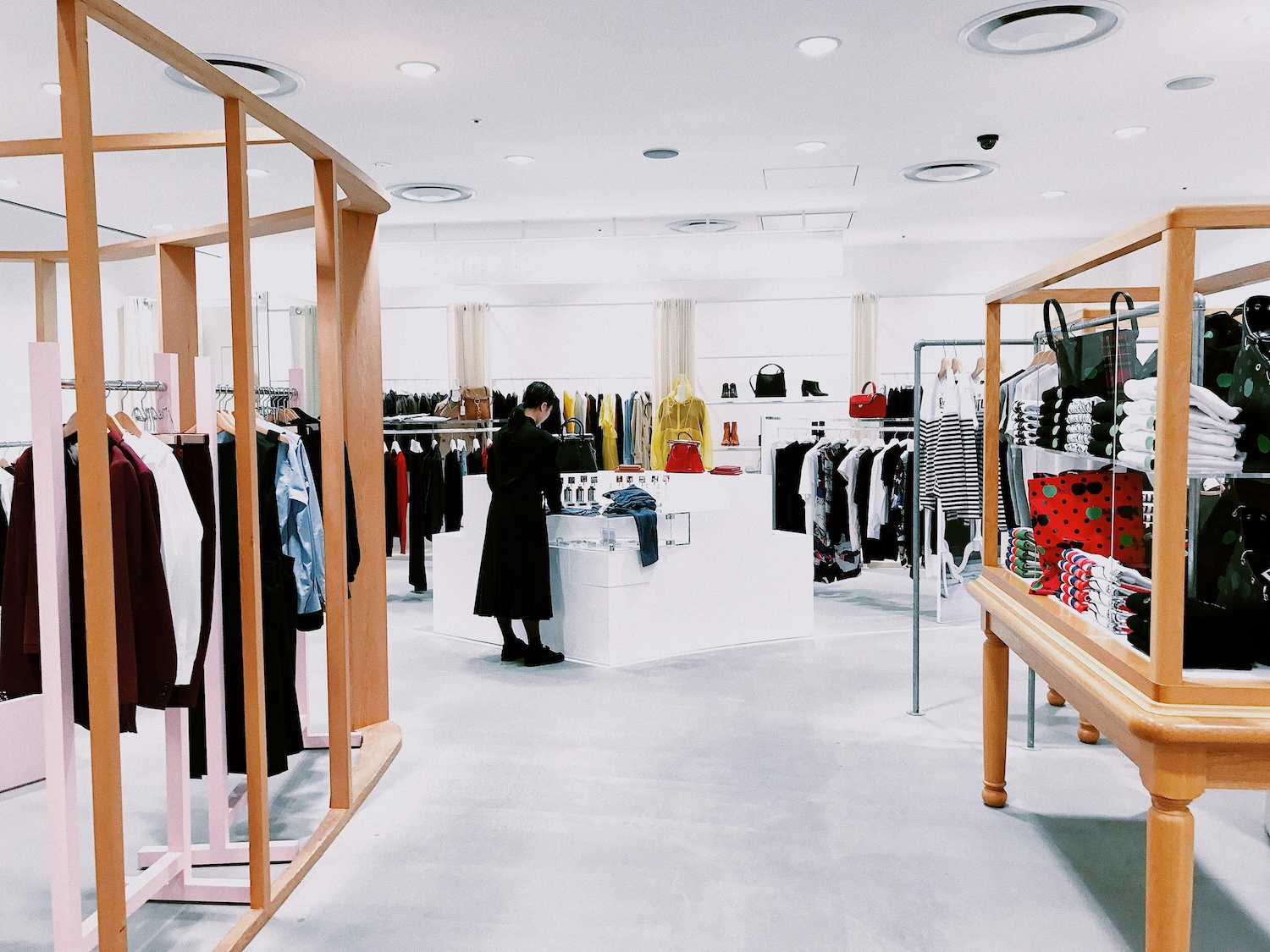
The first and most visible shift is spatial. Retailers are carving out significant square footage not for stock, but for activity. Interactive installations, workshop studios, creator corners and live demonstration areas are replacing shelving runs in flagship locations, turning stores into places where customers do things rather than just browse.
This matters because dwell time and visit frequency are directly linked. Experience-led store design — orchestrated through lighting, materials, layout and environmental graphics — encourages customers to linger, share content and return. For high streets competing with out-of-town retail parks that can offer broad choice in a single trip, this kind of immersive environment creates a differentiated reason to visit that a retail park or a website simply cannot replicate. Today’s consumers generally allocate leisure time across a wide competitive set. Even if a buyer prefers visiting brick-and-mortar shops, they might equally like short breaks. Online entertainment is practical for such pauses. A quick stroll, a funny short, or a short game are what customers usually do between two shop visits. Niche gaming is especially popular in this sense, from quick shooters to games of luck and skill, like poker. Online casinos are legal in the UK, and some players turn to European casinos listed online for flexible rules and easier registration.
They all now compete for the same discretionary hours as gaming platforms, streaming, dining and cultural venues.
Hospitality crossovers drawing repeat visits
Food, drink and community space have moved from optional amenity to core retail strategy. Brands investing in café integrations, member lounges and curated event programmes are seeing those touchpoints function as independent footfall drivers — pulling customers in on occasions when they might not have planned to shop at all.
According to MRI Software’s UK shopping hotspots analysis, footfall across 33 UK cities rose 2.1% in 2024 versus 2023, but only in locations delivering choice, vibrancy and mixed-use appeal — underperforming locations fell by 2.1% over the same period. The message is clear: hospitality integration isn’t a luxury upgrade, it’s a footfall mechanism.
Digital-physical integration lifting dwell time
Phygital retail — experiences that blend digital interactivity with physical presence — is moving from novelty to expectation. In-store QR journeys, personalisation stations, interactive product discovery and seamlessly integrated click-and-collect are all designed around one goal: making the store visit more rewarding than any purely online equivalent.
This shift is partly driven by structural market forces. Deloitte’s UK retail tracker notes that online sales accounted for 28.1% of total UK retail sales in Q4 2025, up from 27.5% in Q3 2025. As digital’s share grows, the physical store must justify itself through engagement, personalisation and sensory richness that a screen cannot provide. Retailers that treat technology as a dwell-time tool — rather than a cost-reduction exercise — are best positioned to make that case convincingly.
Leisure sector lessons retail brands are borrowing
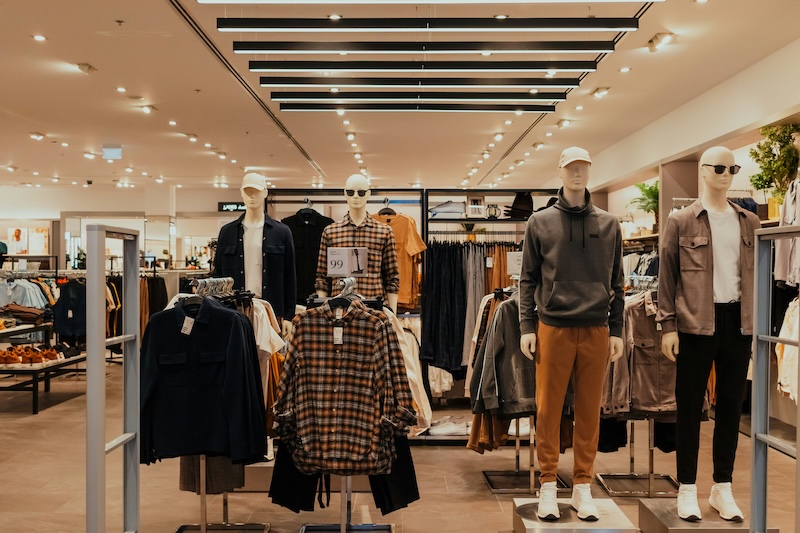
Theme parks, museums, immersive theatre and hospitality venues have long understood how to engineer emotional engagement. Retail is now borrowing their playbook directly. Scent design, acoustic programming, narrative wayfinding and tactile material choices are all being imported from the experience economy into mainstream retail environments.
Short-term and pop-up formats are a particularly effective vehicle for this approach. According to Storefront’s 2026 retail trends report, experiential and short-term formats are playing a pivotal role in the new retail landscape, especially in major cities. Rotating concepts, seasonal activations and collaborative brand takeovers turn vacant or underperforming units into ever-changing attractions — refreshing the streetscape and sustaining media attention that drives repeat visits over time.
Measuring footfall ROI against experience investment
Investing in experience is credible only when it can be measured. Retailers are increasingly deploying sensor analytics, heat-mapping, dwell-time tracking and conversion attribution to understand which in-store experiences translate into commercial return — and which are simply aesthetic.
The most sophisticated operators are building feedback loops: experience investment informs design decisions, which are then tested, iterated and refined against footfall and spend data. High streets that make this discipline central to their proposition — rather than treating experiential investment as a one-off brand moment — are the ones building sustainable traffic advantages. In a market where overall footfall remains below pre-pandemic levels in many locations, those incremental gains from smarter, more measurable experience design are precisely what separates thriving high streets from struggling ones.