





What retail lighting trends from EuroShop 2026 do you see shaping store design and shopper engagement next?
Industry events like EuroShop 2026 reinforce a fundamental shift: lighting is no longer just a design layer—it is becoming a core driver of retail experience and performance. This is reinforced more with each event as we meet with industry and learn more about their challenges.
One of the most prominent trends is the move toward immersive, brand-led environments, where lighting plays a central role in shaping how customers feel and interact with a space. In categories like fashion, lighting is increasingly used to evoke emotion, reinforce identity, and create a seamless journey—from storefront to fitting room.
As Signify highlights, lighting today “shapes the shopping journey, enhances brand perception and drives sales,” transforming stores into experiential destinations rather than transactional spaces. The strongest interest was around energy optimisation and smart renovation strategies, particularly LED-to-LED upgrades and intelligent controls.
Retailers are facing rising energy costs and increasing regulatory requirements, so many conversations focused on how they can modernise existing stores without major disruption. Solutions such as upgrading trunking systems with our latest ultra-efficient LEDs, adding wireless controls in retrofit projects, and using automated emergency lighting testing were very relevant.
At the same time, we are seeing a shift toward precision lighting—where different zones, categories, and even individual products are lit using tailored “recipes.” This is particularly evident in food retail, but it is now influencing broader store design thinking.
Finally, connected and adaptive lighting systems are emerging as a key enabler of agile retail. Another strong trend was connected lighting and AI-enabled insights. Visitors were interested in how data-driven systems can simplify multi-site management, reduce maintenance effort, and support predictive facility management. The industry is clearly moving toward smarter, more integrated store environments. Lighting is no longer static—it can be scheduled, adjusted, and optimized in real time, supporting campaigns, seasonal changes, and operational efficiency.
Taken together, the direction is clear: lighting is evolving into a strategic platform that blends experience, performance, and sustainability.

How does Signify tailor lighting strategies for fashion retail versus food retail—particularly when it comes to brand expression in fashion and lighting recipes that enhance freshness and trust in food?
Signify’s approach is rooted in the idea that different retail categories require fundamentally different lighting strategies—both functional and emotional.
In fashion retail, lighting is primarily about brand expression and desirability. It is designed to highlight textures, ensure accurate color rendering, and create contrast that draws attention to key collections. Techniques such as accent lighting and carefully calibrated color “recipes” ensure fabrics appear true-to-life while enhancing vibrancy and depth.
At the same time, ambient lighting—whether warm and inviting or cool and modern—helps define the overall brand mood, creating a premium and immersive environment that encourages exploration and engagement.
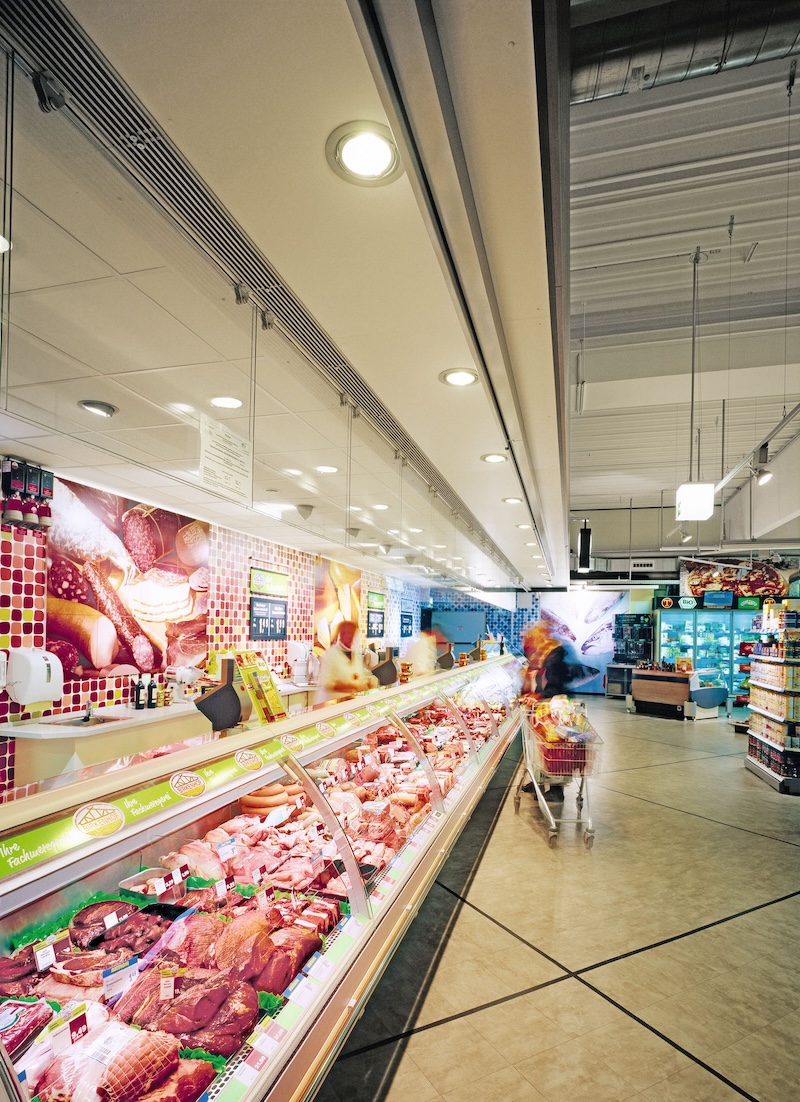
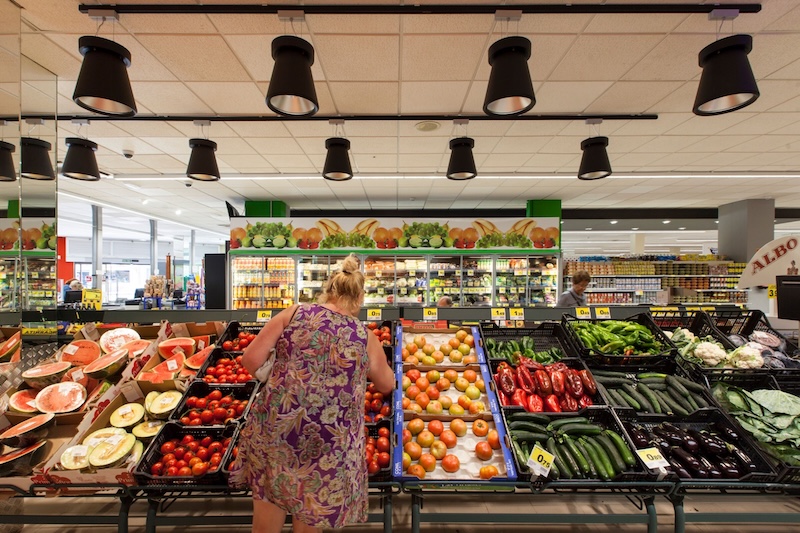
In food retail, the objective shifts to freshness, quality, and trust. Here, Signify applies specialized LED “light recipes” tailored to specific categories such as meat, fish, produce, or bakery. These recipes enhance natural colours—for example, making meat appear richer or produce more vibrant—while also helping to preserve quality and extend shelf life.
Importantly, lighting in this context is not just about appearance; it directly impacts waste reduction and shopper confidence.
In essence:
- Fashion lighting sells aspiration and identity
- Food lighting sells freshness and trust

How can lighting actively influence retail performance metrics such as dwell time, product perception and conversion, beyond creating ambience?
Lighting has a direct and measurable impact on retail performance when used strategically.
First, it influences product perception. High-quality lighting with strong colour rendering ensures products appear more appealing—whether that is richer fabrics in fashion or more fresh and vibrant produce in grocery. Research shows that shoppers are naturally drawn to products that appear more saturated and visually attractive, which can directly influence purchase decisions.
Second, lighting shapes customer navigation and dwell time. By using contrast, focal points, and layered lighting (ambient, accent, decorative), retailers can guide shoppers through the space, encouraging exploration and increasing time spent in-store.
Third, it drives conversion and basket size. Highlighting promotional zones, new collections, or high-margin products ensures they stand out, increasing the likelihood of purchase.
Ultimately, lighting moves from being an atmospheric tool to a behavioural lever—one that subtly directs attention, influences perception, and supports commercial outcomes.
In an omnichannel context, how does intelligent and connected lighting help physical stores stay relevant and experiential?
As retail becomes increasingly omnichannel, physical stores must offer something digital cannot: immersive, adaptive experiences. Connected lighting is central to delivering this.
Through IoT-enabled systems, lighting can be dynamically controlled and centrally managed, allowing retailers to adjust scenes in real time—whether for campaigns, time-of-day changes, or local preferences.
This creates several advantages:
- Consistency across locations while enabling local customization
- Integration with digital systems, from sensors to store analytics
- Indoor navigation within large retail spaces
- Operational efficiency, including energy monitoring and maintenance insights
Connected lighting also enables features such as scene scheduling and energy dashboards, helping retailers balance experience with sustainability and cost control.
In this context, lighting becomes part of the store’s digital backbone, helping bridge the gap between physical and digital retail.
Which retail lighting capabilities are still underused today, and how is Signify encouraging retailers to view lighting as a strategic asset rather than a cost?
Despite rapid innovation, several lighting capabilities remain underutilized.
One key gap is the adoption of dynamic and data-driven lighting. Many stores still rely on static lighting setups, missing opportunities to adapt environments in real time or gain insights from connected systems.
Another underused capability is category-specific lighting recipes, particularly in food retail. While proven to enhance presentation, extend shelf life, and reduce waste, these solutions are not yet universally implemented.
There is also untapped potential in connected lighting platforms, which combine luminaires, sensors, and software to unlock operational insights and improve store performance.
Signify is addressing this by repositioning lighting as a strategic business tool rather than a cost centre—demonstrating clear ROI through:
- Energy savings and sustainability gains
- Improved product presentation and reduced waste
- Enhanced shopper engagement and sales impact
The message is clear:
Lighting is no longer just about visibility—it is a lever for growth, efficiency, and differentiation in modern retail.