



The retail landscape is undergoing a massive transformation that goes far beyond simple transactions. Physical stores are no longer just places where products sit on shelves awaiting a buyer. Today, brick-and-mortar environments serve as experiential stages where brands communicate their core values and connect emotionally with consumers. To stand out in a crowded market, design directors must craft spaces that feel both incredibly premium and highly functional.
Achieving this delicate balance requires a deep understanding of spatial dynamics and material longevity. High street stores face relentless wear and tear from thousands of daily visitors, meaning that flimsy decorative elements simply will not cut it anymore. Designers are increasingly looking for solutions that retain their flawless, upscale appearance under intense pressure while offering maximum flexibility for seasonal layout updates.
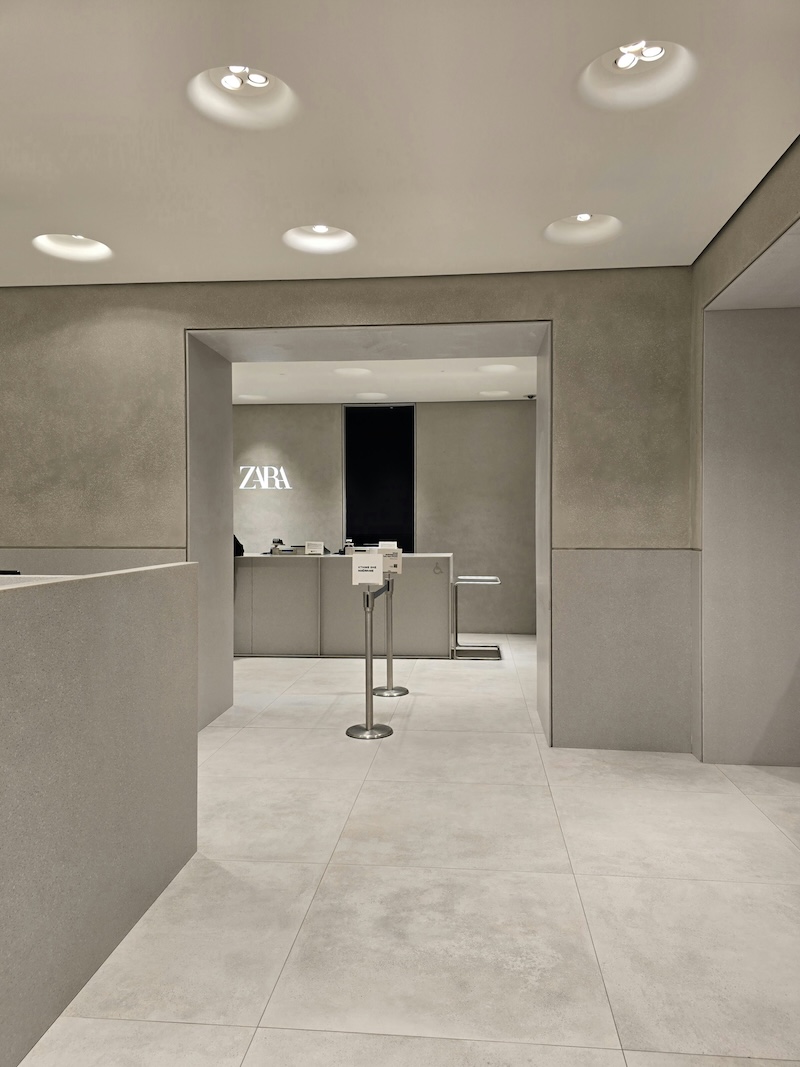
The evolution of modern retail environments and the durability challenge
Walk into any award-winning boutique today, and you will immediately notice a distinct shift towards minimalist or industrial aesthetics. Clean lines, open layouts, and raw textures create an atmosphere of sophisticated luxury that drives customer engagement. However, maintaining this pristine look over time can become a logistical nightmare if the wrong base materials are selected. Wood can scratch, paint chips easily, and cheap plastics quickly lose their luster under harsh commercial lighting.
Visual merchandisers often find themselves caught between a rock and a hard place when trying to refresh store layouts. They need fixtures that are easy to reconfigure but sturdy enough to hold heavy autumn collections or complex electronic displays. This constant rotation of merchandise means that the underlying architecture of display units must possess exceptional structural integrity. Investing in premium components from the very start prevents costly store closures for repairs down the line.
Furthermore, the modern consumer is highly observant and judges a brand based on the touchpoints they encounter. A wobbly clothing rack or a scuffed display table can subtly damage a luxury brand’s reputation in seconds. Retail architecture must feel solid, clean, and intentional to inspire confidence and justify premium price points.
Why stainless steel is a game-changer for shopfitting aesthetics
When it comes to materials that effortlessly bridge the gap between heavy-duty performance and sleek elegance, one option stands entirely unrivaled. Premium Stainless steel has successfully transitioned from industrial factories into the world of high-end retail design. Its natural resistance to corrosion, scratches, and fingerprint smudges makes it the absolute holy grail for busy commercial interiors.
Many designers love this metal because it acts as a visual chameleon, reflecting ambient store lighting beautifully without overpowering the products on display. Whether utilised in a mirror-polished finish for a futuristic luxury boutique or brushed for a raw, industrial vibe, it injects an instant sense of premium quality into any space. It pairs magnificently with warm materials like reclaimed oak or soft velvet, creating a striking contrast that keeps the eye moving.
Hygiene has also moved to the forefront of retail considerations, and non-porous surfaces are now more vital than ever. Metal fixtures can be wiped down hundreds of times a day with standard cleaning agents without losing their protective properties or changing colour. This ease of maintenance allows store staff to focus on serving customers rather than constantly polishing delicate decorative elements.
Versatile round bars as structural and decorative design pillars
If we look closely at the underlying skeletons of the most creative retail displays, we find specific geometric components doing the heavy lifting. Solid Round bars have become incredibly popular among contemporary shopfitters who specialise in bespoke commercial furniture. Their clean circular profile offers incredible load-bearing capacity while maintaining a light, almost floating visual footprint in the room.
These components open up a world of creative possibilities for visual merchandising teams who want to build unique storefront narratives. They can be expertly fashioned into minimalist garment rails that cascade from the ceiling, structural frames for floating glass shelves, or intricate window display lattices. Because they can be easily cut, machined, and joined together, they allow for complete customisation to fit weird architectural angles or historical building constraints.
Sourcing these high-grade metal components used to be a frustrating process for smaller design studios or independent retail brands. Traditional metal stockholders often ignored low-volume orders or required complex logistics setups that delayed project timelines. Fortunately, the rise of specialised online distribution platforms means that designers can now order precise metallic elements with just a few clicks, ensuring that tight store opening deadlines are met without unnecessary stress.
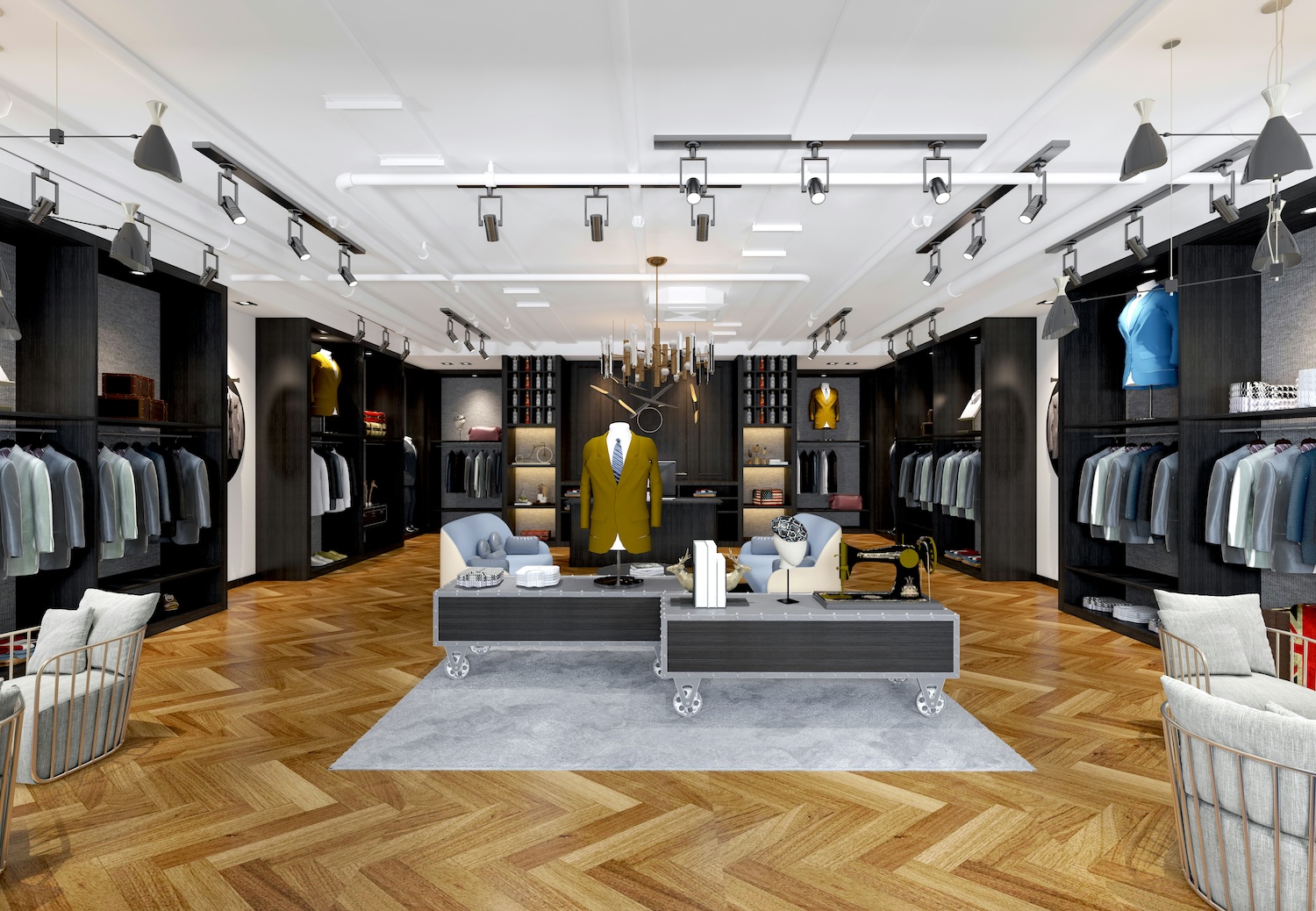
Balancing longevity with high-end visual merchandising for maximum return on investment
Every square meter of a retail store needs to generate a return on investment, which means that downtime for renovations is money thrown out the window. Selecting timeless, indestructible design elements ensures that a shop interior remains relevant and functional for years to come. It is far smarter to invest in quality upfront than to constantly replace worn-out fixtures every two seasons.
The most successful retail brands understand that great design is an ongoing conversation with their target audience. By utilising robust materials that tell a story of permanence and craftsmanship, you create a space where customers actually want to spend their time. After all, brick-and-mortar retail is about creating memorable moments – and those moments deserve to be framed by the very best architecture has to offer.