



You can revive a tired kitchen without gutting the room by focusing on surface repairs rather than replacement, specifically by using professional worktop restoration to fix damaged worktops and painting existing cabinetry. This approach sidesteps the “domino effect” of renovation where removing one element triggers expensive plumbing, re-tiling, and electrical work. By prioritising cosmetic resurfacing, hardware swaps, and lighting updates, you avoid the heavy labour costs that drive up prices in a typical budget kitchen makeover UK scenario. It is the most effective way to modernise a space while keeping the structural integrity intact.
I have seen too many people burn money they don’t have.
They look at a chip in their granite or a burn mark on the laminate and think the whole unit is rubbish. It seems logical. The surface is broken so you buy a new one. But I want to walk you through why that is often a financial mistake and how you can save your kitchen and your wallet. We are looking at a market in 2026 where a minor cosmetic update can hit £20,000 if you aren’t careful. That is madness.
The Invisible Cost Factor
Most homeowners assume if a worktop is burned, chipped, or water-damaged that the whole unit must be replaced. I used to think this too until I saw the bills.
The cost of the new worktop is just the tip of the iceberg. It is the “invisible” costs that kill your budget.
Think about it. When you rip out a worktop you often damage the splashback tiles. Now you are paying a tiler to fix that mess. You have to disconnect the sink and the hob. Now you are paying a plumber and an electrician. Sometimes the cabinets underneath get damaged during the removal because the glue was stronger than the wood. Suddenly you are looking at a bill that is three times higher than the price of the stone or laminate.
It is a domino effect.
I think avoiding this cascade of destruction is the single biggest secret to keeping costs down. You keep the structure. You keep the connections. You just fix the surface. Repairing is not just cheaper upfront. It avoids the renovation tax that comes with touching plumbing.
Professional Worktop Repair Magic
This is where specificity builds trust. I am not talking about buying a wax filler stick from a DIY store and hoping for the best. That looks terrible and it falls out after a week.
I am talking about professional hard surface repair.
Specialists use UV-cured acrylic resins that are colour-matched to your specific surface. They don’t just fill a hole. They actually rebuild the surface texture. If you have a grain in your timber or a vein in your marble they can mimic it. It works on almost everything.
Granite. Quartz. Corian. Laminate. Timber.
It is fascinating to watch. They layer the resin and polish it back until it is flush. The result is usually invisible from a standing distance. More importantly it is food-safe and waterproof. That is a big deal. You need to know that the surface where you chop your veg isn’t going to harbour bacteria. High-quality repairs seal the damage completely.
If you are looking for kitchen renovation ideas on a budget this is your heavy hitter. It costs a fraction of replacement and zero plumbing is required.
The Speed vs Disruption Argument
Let’s talk about your sanity for a second. A full kitchen renovation or even just a worktop replacement can leave a family without a functioning kitchen for days or weeks. I don’t know about you but I cannot live on takeaways for three weeks. My digestion won’t accommodate it.
This is the convenience factor of repair.
Deep professional cleaning or hard surface repair takes hours. Not days. Hours.
A technician comes in at 9am and by 2pm your burned worktop looks new and you can use it to make dinner. For busy families who cannot afford the downtime this is massive. It is not just about money. It is about not having your house turned into a construction site. I have lived through a full renovation once. Never again.
Time is money. But time is also stress. Saving stress is worth a lot.

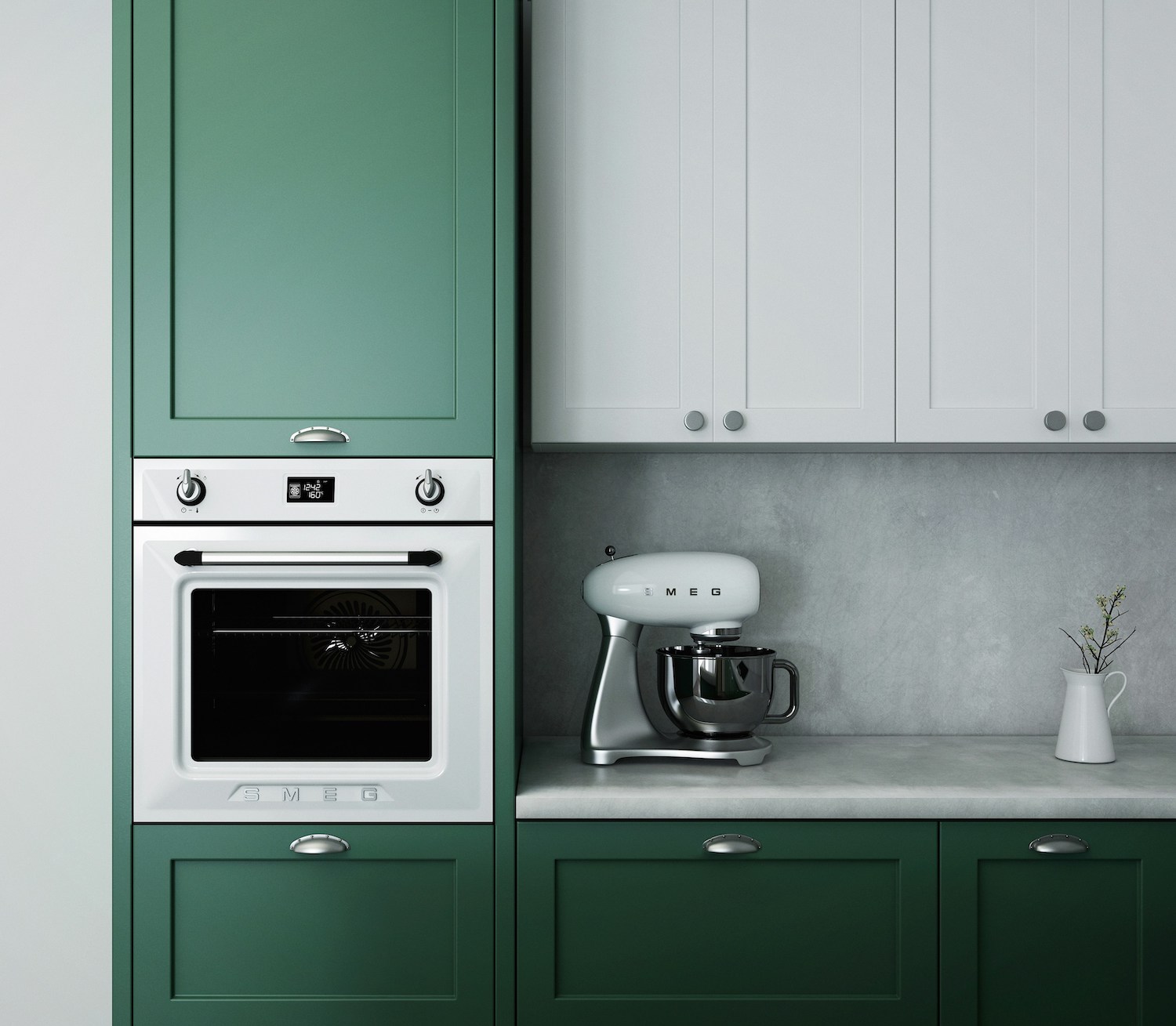
Paint Your Cabinets Don’t Replace Them
Cabinetry eats up about 25% to 40% of the total renovation budget. According to recent data from 2025 that is often the largest single expense. If your carcasses are solid it makes zero sense to throw them in a skip just because you hate the colour of the doors.
Painting is the classic move for a reason.
But you have to be realistic about the labour. It is not a Saturday afternoon job if you want it to last. You need to degrease. You need to sand. You need a primer that sticks to whatever weird plastic coating was on there before.
I have tried to cut corners here before & it always ends in tears. Or peeling paint.
If you can afford it get a pro to spray them. It is still cheaper than buying new semi-custom cabinets which offer great value but still cost thousands. If you are doing it yourself use a foam roller and patience. Lots of patience.
This is also where you can get clever with “mixed finishes”. Maybe you paint the island a dark navy and leave the wall units neutral. It is a trend that is gaining traction in 2026 because it looks high-end without needing uniform quality everywhere. You prioritise the investment in the bits people actually look at.
Lighting and Hardware Swaps
These are the jewels of the kitchen. Old handles date a kitchen faster than anything else. You might have perfectly good cabinets but if they have those weird gold-plastic handles from the 90s the whole room feels sad.
Swapping handles is easy. You just need a screwdriver.
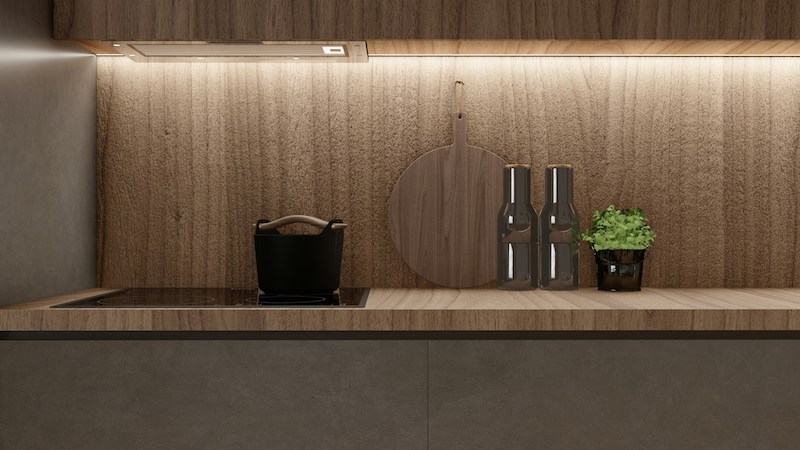
Lighting is slightly more complex but worth it. The trend now is sculptural lighting and smart tech. You don’t need to rewire the whole house. Even changing the pendant light over the island or adding under-cabinet LED strips can change the mood completely.
I think people underestimate how much bad lighting makes a room feel “tired”. If your kitchen is dim and yellow it feels dirty even when it is clean. Bright cool LEDs make everything look crisp.
It is a small cost. Maybe £150 or £250. But the visual impact is high.
Splashback and Tiling Updates
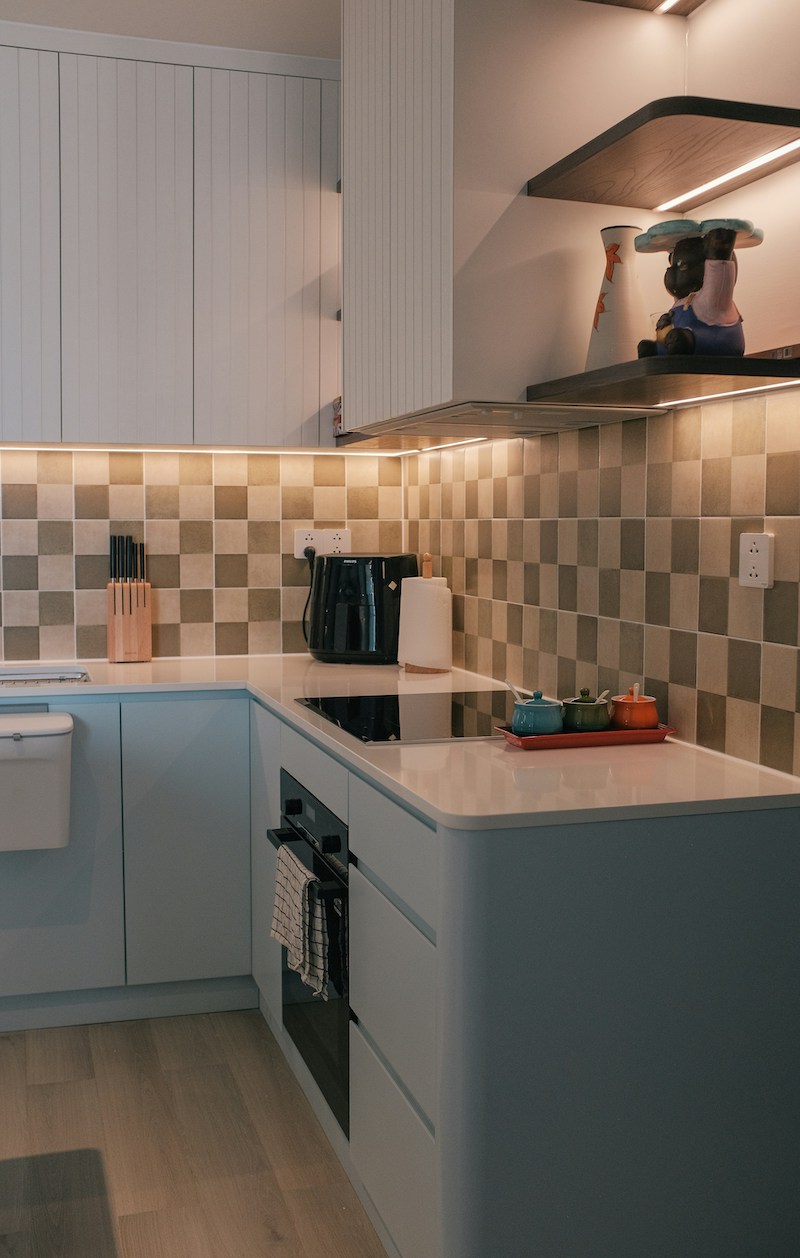
If you are careful you can update a splashback without disturbing the worktop. This is one of those kitchen renovation ideas on a budget that requires a steady hand.
You can tile over existing tiles if they are flat enough. It saves the mess of chipping them off. Or you can use splashback panels. They come in big sheets and you just glue them on. It covers a multitude of sins.
I have seen people use peel-and-stick tiles. I am skeptical of them near a hob. The heat and steam can make them peel. But for a rental or a quick fix in a low-wear area? Maybe.
Just be careful. If you start ripping tiles off the wall you might pull the plasterboard with it. Then you are plastering. Then you are painting. The budget creeps up.
Flooring and Appliances
Flooring and tile usually take up 5% to 15% of the budget. If your floor is hideous it is hard to ignore. But ripping up tiles is miserable work.
Luxury Vinyl Tile (LVT) is a lifesaver here. It is thin waterproof and can often be laid right over the top of existing hard floors. It feels warmer underfoot too.
As for appliances. They take up 10% to 25% of a budget. If yours work keep them. If they are white and you want stainless steel you can actually buy stainless steel film to wrap them. It sounds tacky but some of the new films are incredible. You wouldn’t know unless you scratched it.
If you must buy new look for “graded” or “ex-display” sales. A fridge with a dent on the side that goes against the wall works just as well as a perfect one. I bought a dishwasher for half price because it had a scratch on the back panel. Who looks at the back of a dishwasher?
The Hard Numbers on Renovation
We need to look at the reality of costs in 2026. According to recent trade data, the average minor kitchen remodel in the UK now averages around £12,500. That is a lot of money for a “minor” update.
If you go for a major high-spec remodel you are looking at over £35,000.
Experts recommend budgeting £800 to £1,500 per square metre. But that assumes you are doing everything. If you strip back the scope you strip back the cost. Labour alone is 20% to 35% of the budget. By repairing surfaces and painting cabinets yourself you are cutting that labour cost drastically.
Industry guidance suggests spending 5% to 15% of your home’s total value on a kitchen. But honestly? Who has that kind of cash lying around? I sure don’t.
Experts recommend setting aside 15% to 25% of your total budget for unexpected costs. If you don’t open up the walls you are less likely to find those unexpected costs. No surprise rot. No dodgy wiring from the 1970s.
Final Thoughts
I think we get obsessed with the idea of “new”. We watch TV shows where they smash everything with sledgehammers and it looks fun. But they don’t show you the bank account afterwards.
Reviving a kitchen is smarter. It is surgical. You fix what is broken and you polish what is dull. You don’t need a skip in the driveway to get a kitchen that feels fresh. It is about being clever with your resources rather than just throwing money at a contractor.
Try the repair first. You might be surprised.