



Mass retail has a major lookalike problem.
Fashion floors are drowning in beige “basics”. Electronics shelves are stacked with black appliances and grand product claims. Down the street, beauty aisles all flog clinical purity and the “perfect skin” fantasy. Different categories, but within each one, every retailer is copying from the same playbook.
Categories tend to run on codes. The colours you use, the messaging you put out, the layout of your store – it all says something about the type of retailer you are. Those codes exist to make things easy, to help people instantly recognise what kind of shop they’re looking at and whether it’s relevant without having to think. They’re useful, to a point.
But when every retailer clings to their category codes and the ‘rules of retail’ like a comfort blanket, whilst they might gain efficiency and maximise ROI on square footage, they inevitably start creating sameness. Every brand begins to look, act, and sound identical. What once helped consumers navigate choice now makes it easier to tune everything out.
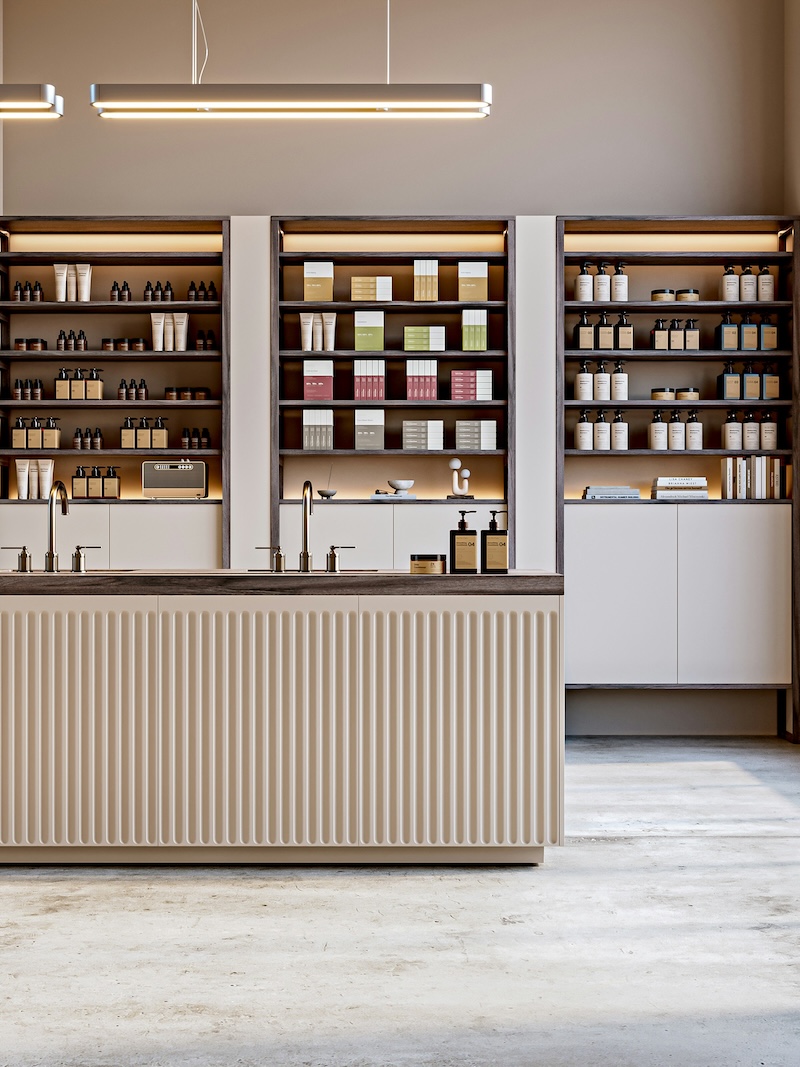
And these days consumers can just sit at home and scroll through endless options of what they want to buy from the comfort of their sofa. Digital has made retail easy, straight to your door. To get consumers out there, back in the high street, back in bricks and mortar, the experience has to be so much more than just shelves and racks and the odd display.
If you want to be noticed, you can’t just follow your category codes. You have to challenge them. Even destroy them completely.
Because distinctiveness beats category compliance and efficiency, every time.
Break your category, accelerate growth
Glossier didn’t reach cult status by sticking to the template laid out by other beauty retailers. It landed on our high streets like it had been teleported in from another planet. It rejected almost every traditional beauty retail code: no clinical environments, no pseudo-scientific language, no overwhelming walls of product.
Instead: playful retail spaces. A tone of voice that sounded like a person, not a lab report. Its New York flagship feels more like a luxury dressing room than a shop; one pop-up store had a room dedicated to beauty ASMR. The brand’s product formulations weren’t ever anything revolutionary, but its marketing sure was. And in a category obsessed with sameness, that was enough to cut through and create queues that lined the streets. Its early meteoric growth came from breaking the category, not fitting in.
That pattern holds true wherever you look. The most disruptive brands usually aren’t the ones with the biggest advertising budgets, but the ones willing to throw off every category convention that tries to pin them down.
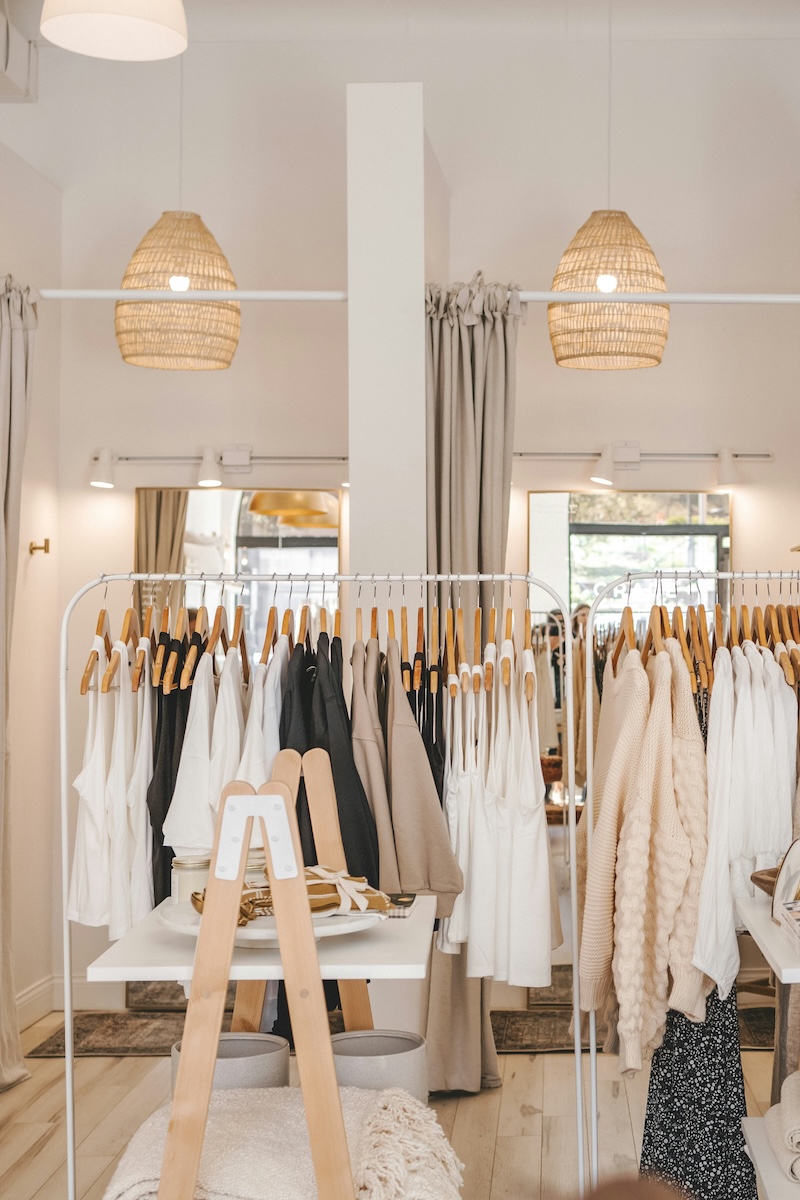
Ikea redefined the entire furniture retail experience. In what other shop can you eat Swedish meatballs while weighing up which sofa to buy? Where else can you and your family play house in multiple different living rooms without ever leaving the store? Ikea turned a transaction into a day-out – no one else was doing that.
Its advertising followed the same principle. Less focus on price, more focus on life. In a retail category where ads only used to promote the latest store sale, Ikea told emotional stories about messy homes and relationships. It anthropomorphised its products and made us laugh – remember the tragedy of the abandoned Ikea lamp?
In luxury fashion, Jacquemus has completely destroyed the mold. No polished, editorial realism or stiff, minimalist stores. Just pure surrealist spectacle and a lot of fun. The brand sent giant handbags driving around Paris. It created stores that feel like art installations, from pillow-clad rooms to a pop-up mimicking a Marseilles bathhouse.
Acting nothing like a luxury fashion brand catapulted Jacquemus from a small family business into an almost €300m global brand in under a decade.
Learn the script, then rip it up
Category codes are fine as a starting point, but they’re terrible creative destinations. It’s why we see independents doing the most interesting and innovative things. Most of them have never even heard of a category code, they’re just being creative and entrepreneurial. Most mass retailers never step away to question what they could be. They tweak the formula and smooth the edges, and in doing so, they make themselves easy to ignore.

What they should be doing is blowing the whole thing up.
Don’t just edit the script your category hands you. Study it. Pick it apart. Spot the clichés. Learn it by heart. Then, stick it in the bin and write something better.
And when you succeed and everyone else starts reading over your shoulder, bin that version too.
The only way to win attention now is to consistently reject whatever your category expects you to be, visually, verbally and experientially.
The high street doesn’t need another brand that blends in. So, be the one that stands out.