



The proportion of UK hospitality customers leaving a tip has fallen dramatically over the past two years, with new data also pointing to a broader shift in consumer behaviour at the point of payment. According to Paynt and their market-leading digital tipping platform URocked, an analysis of over a million transactions made via URocked between June 2024 and February 2026 has revealed that the overall tipping rate declined from around 10.9% to 5.5% over the period, while average tip values increased significantly, from £4.87 to £14.39. The findings indicate that although fewer customers are choosing to tip, those who do are doing so more generously.
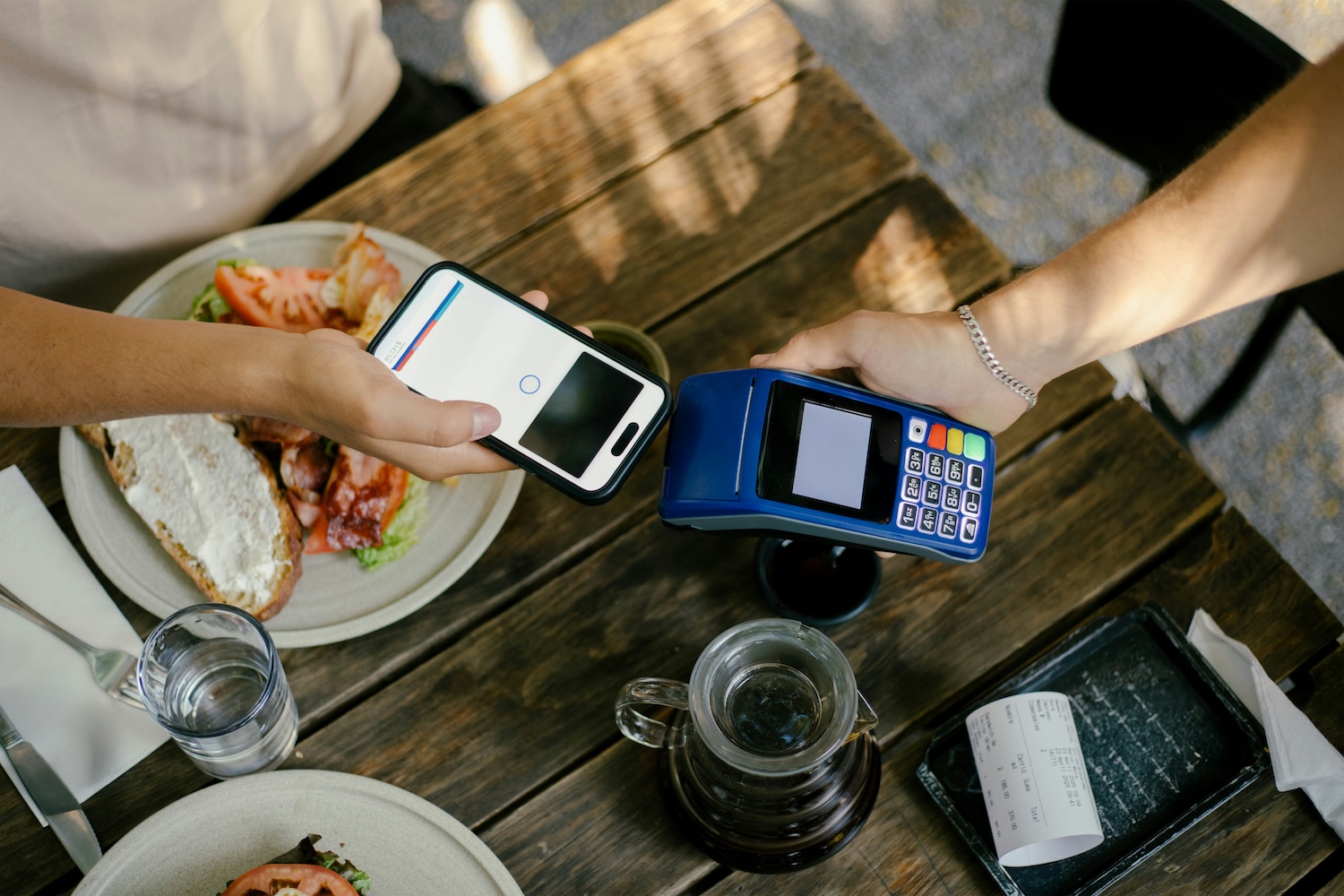
The data highlights a clear change in payment behaviour, where the way customers choose to pay directly shapes their likelihood of tipping. Contactless transactions account for 62.6% of all payments but have the lowest tipping rate at just 4.6%, compared to 14.9% for chip card transactions. This suggests that as contactless payments continue to dominate everyday transactions, they are also influencing discretionary actions, such as tipping at the point of sale.
Midweek evenings remain a relatively bright spot, with Wednesday recording the highest tipping rate at 11.1% and Thursday commanding the highest average tip value at £8.52. The 19:00–21:00 dinner window consistently generates the highest average tip amounts in the food and drink sector, ranging from £8.37 to £9.61.
By contrast, Saturday, the busiest day for hospitality transactions, has one of the lowest tipping rates at just 6.1%, less than half the midweek rate. Food, restaurants and bars account for 96.8% of all tipped transactions and 89.3% of total tip revenue, underlining how concentrated the sector’s reliance on gratuity income remains.

“This data highlights a clear shift in tipping behaviour across the UK hospitality sector,” said Swati Deshpande, Marketing Manager at Paynt. “More importantly, it shows how payment methods are increasingly shaping customer behaviour at the point of transaction. While fewer customers are choosing to tip, those who do are showing greater generosity, suggesting a change in how and when people engage with tipping. As contactless payments become the dominant way to pay, businesses need to consider how the payment experience influences discretionary actions such as tipping. Businesses need to make tipping a more intuitive and accessible part of the payment journey.”