

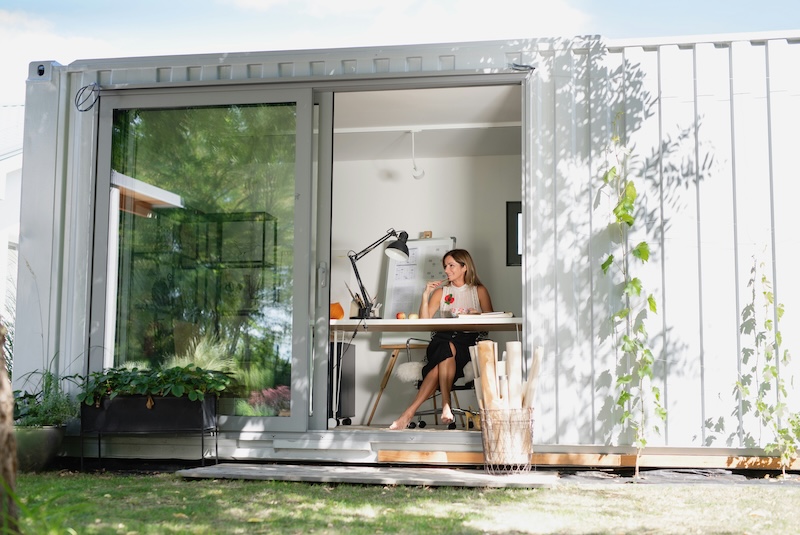


For consultancies, agencies and professional services firms, the workplace does a lot of the selling before a meeting even starts. Clients form an opinion about your credibility and taste within seconds of walking through the door.
A bland, clinical environment can make your business look forgettable, while a thoughtful layout projects confidence. Carry on reading to find out how specific design choices can transform your workspace into a powerful tool for your business.

First Impressions Start at the Front Door
The reception area sets the tone for the entire client visit. Many UK agencies make the mistake of setting up a cold, empty waiting room with a single sofa and a pile of outdated magazines. Instead of this uninspiring setup, you should focus on layout and comfort. Position the reception desk so visitors receive an immediate greeting, but leave enough space so they don’t crowd the entrance.
Choosing the right lighting temperature is another critical element that people often overlook in this initial space. Standard office fluorescent tubes create a harsh environment. You can swap these out for warmer lights that mimic natural daylight, creating a welcoming environment. Combine this with comfortable seating that allows clients to relax before their appointment. Adding a few well-maintained indoor plants can also soften the space and make it more inviting towards visitors.
Create Functional Meeting Spaces
Meeting rooms need to look excellent, but they must function well during intense pitches. Clients expect a comfortable environment where they can discuss sensitive business matters without distractions. The design choices you make here should support productivity while reinforcing your professionalism.
Manage Room Acoustics
Glass walls are highly popular in modern UK offices because they let light flow through the building. However, they often create terrible echoes that make conversations difficult to hear. You can fix this issue by installing fabric acoustic panels or laying thick carpets to absorb the sound. Privacy is vital when discussing strategic matters, so ensuring sound insulation is a priority.
Select Authentic Artwork
Your choice of art also says a lot about your company culture. Avoid mass-produced corporate prints that look like they belong in a budget hotel. Instead of spending thousands on famous names, you can work with local artists to source original pieces. This gives your boardroom actual character and provides an interesting talking point when clients sit down for a meeting.
Balance Vintage and Modern Furniture
When it comes to furniture, you don’t need to buy everything from an expensive commercial catalogue. Mixing statement vintage pieces with modern items creates a balanced, sophisticated appearance. For example, a mid-century sideboard in the boardroom adds a touch of classic design flair. It shows attention to detail and indicates that your firm values quality.
For work desks and task chairs, modern contract-grade options are usually the best choice because they comply with health and safety standards. You can find high-quality, second-hand designer chairs from liquidation sales to keep costs down. This strategy allows you to build an impressive environment without blowing your entire budget on brand-new furniture items. Investing in a few standout pieces in high-traffic areas creates a premium impression at a fraction of the cost.
Plan Logistics for a Smooth Relocation
Upgrading your office environment often involves moving to a new building or executing a complete refit of your current space. Managing this transition requires careful planning to ensure your daily business operations continue without major disruptions. Many firms choose to execute phased refits, working on one section of the office at a time while staff work remotely or use temporary desks. This minimises the impact on client projects and maintains staff productivity.
Moving heavy desks, storage units and delicate boardroom equipment is a major physical task. If you try to handle this internally, you risk damaging expensive furniture and causing unnecessary staff fatigue. Hiring an expert team for office removals means the heavy lifting will be handled safely and efficiently. Specialised movers know how to pack delicate tech and bulky furniture so that everything arrives at the new space intact, which reduces business downtime significantly.
Closing Up
Designing a workspace that stands out requires a clear focus on the details that clients notice. From the warmth of the lighting to the acoustics of your meeting spaces, every choice contributes to your reputation.
With a smart mix of furniture and a solid plan for the physical transition, you can create a space that reflects your high standards. Taking time to plan the logistics properly ensures that your business reaps the rewards of a beautiful new environment without suffering from operational chaos. A well-designed office will serve your team and your clients well for years to come.