



Logos that once carried character have been flattened into interchangeable sans serif marks. Cars that used to have unmistakable personalities have become sleek, standardised machines. Restaurant concepts that once reflected a neighbourhood are now rolled out as repeatable, efficient environments. The same thing is happening across retail.
Many of the world’s best-known legacy retail brands are gradually stripping themselves of what made them distinctive. From Hollister ditching its beach vibe for more white-box, homogenised interiors, to Body Shop stripping down its unique, eco-activist apothecary charm, the high street is full of stores abandoning a once-unique POV.
In pursuit of consistency, standardisation and cost control, they lack any visible, spatial and sensory cues that help make them memorable or enticing. The result is a new kind of risk: invisible retail brands.
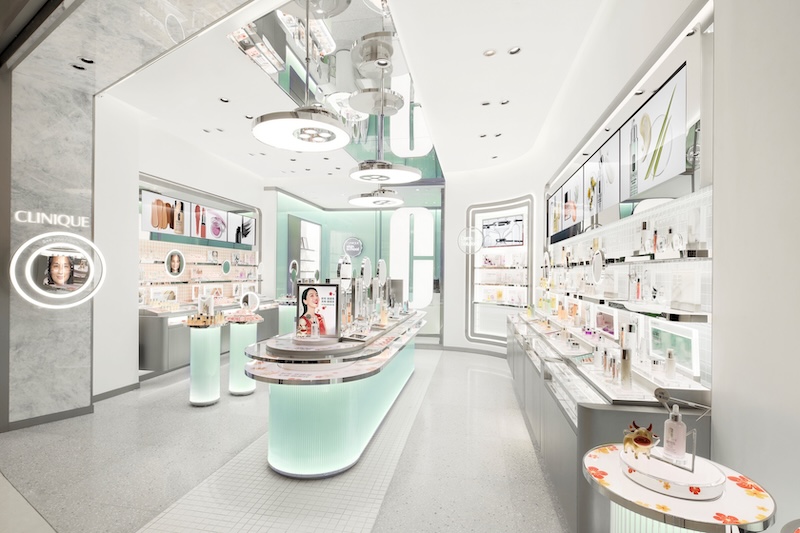
For retailers, invisibility is dangerous because physical retail is already fighting for attention. The high street is no longer a default destination for many people. Ipsos found that only 54% of Britons visit their local high street or shopping area at least once a week, citing “not having enough shops that interest them” among the top barriers to visiting. In that environment, safe design can become commercially risky. If a store gives people nothing to notice, feel or remember, why would they make the journey?
Consumers still value in-store experiences, craving personal interaction and expertise (EY Future Consumer Index, 2024). But they are often left disappointed by the retail experience. According to a global study by the IBM Institute for Business Value, only 9% of consumers report being satisfied with the in-store experience, despite a strong baseline preference for physical stores.
The challenge, therefore, is not only how to make stores more efficient, easier to operate or cheaper to replicate. It is how to make them worth visiting at all.
Start with consumer psychology
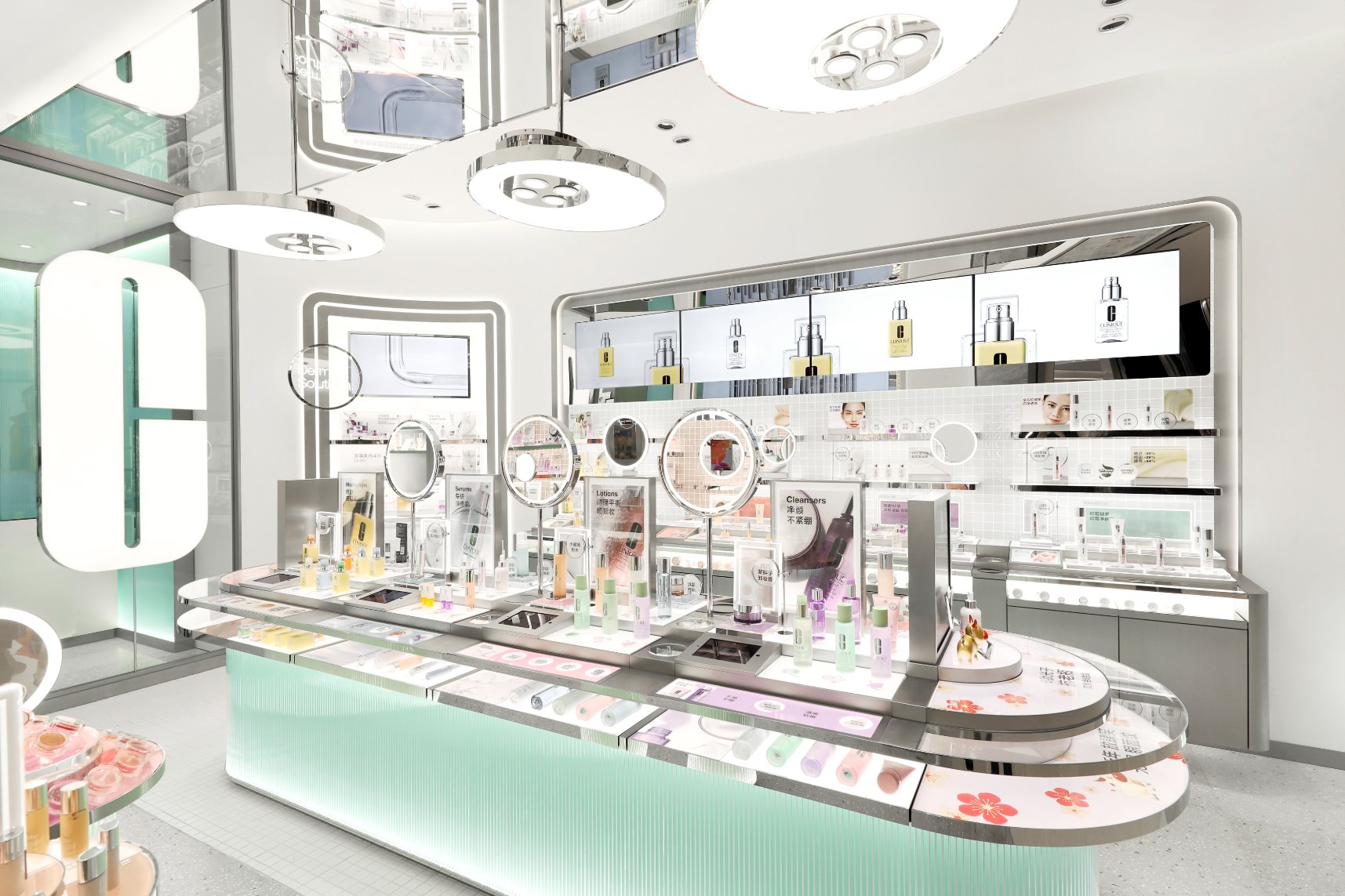
People do not remember efficiency. They remember moments, cues and feelings. An entrance, sightlines, materials, lighting, service rituals, fitting rooms, checkout and even the way a product is handed over are all part of the brand experience, and should be tailored to what a customer is looking for.
Shoppers are always deciding whether a space feels inviting, relevant and worth their time. In our work with McDonald’s on its international décors, we always start with how a consumer uses a space. One store concept we designed included bleacher style seating. It was very counter-intuitive for a quick-turnaround food service, but it chimed with the way local customers were looking to use the space – more informally, less tied to the table-and-chair formula.
Retailers need to be thinking in the same way, to start with the customer and what they’re looking for from a space in any given moment. Is it a ‘third space’ for connection; is it a quiet space for wellness; is it an exuberant space for inspiration?
Design for attention as much as efficiency
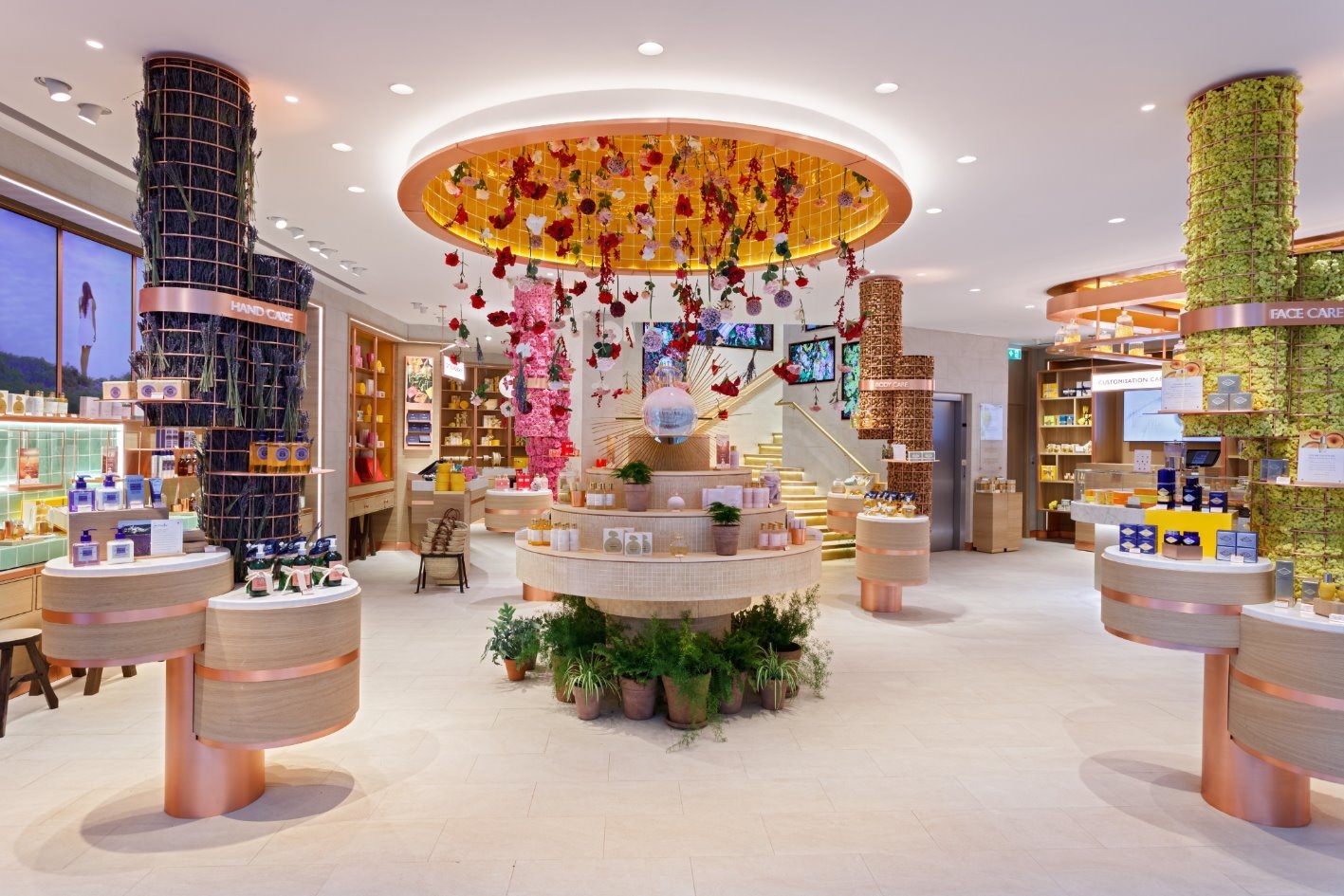
Efficiency matters, but today’s consumer increasingly shops with intent. Stores, therefore, need to give people a reason to stop, look, linger or return.
This is where standardisation can fall short. The same fixtures, same lighting logic and same neutral palette may make rollouts easier, but they also make a shop feel like everywhere else. In a market where footfall is steadily decreasing, recording a five-year low earlier this year (BRC and Sensormatic, 2026), retailers need to create destinations rather than simply outlets.
Gentle Monster is a brand that gets it consistently right. Its HAUS DOSAN in Seoul, for example, combines eyewear, Tamburins cosmetics and Nudake desserts into one experiential retail environment, deliberately removing typical store functions to create new emotions.
Use local nuance as an advantage
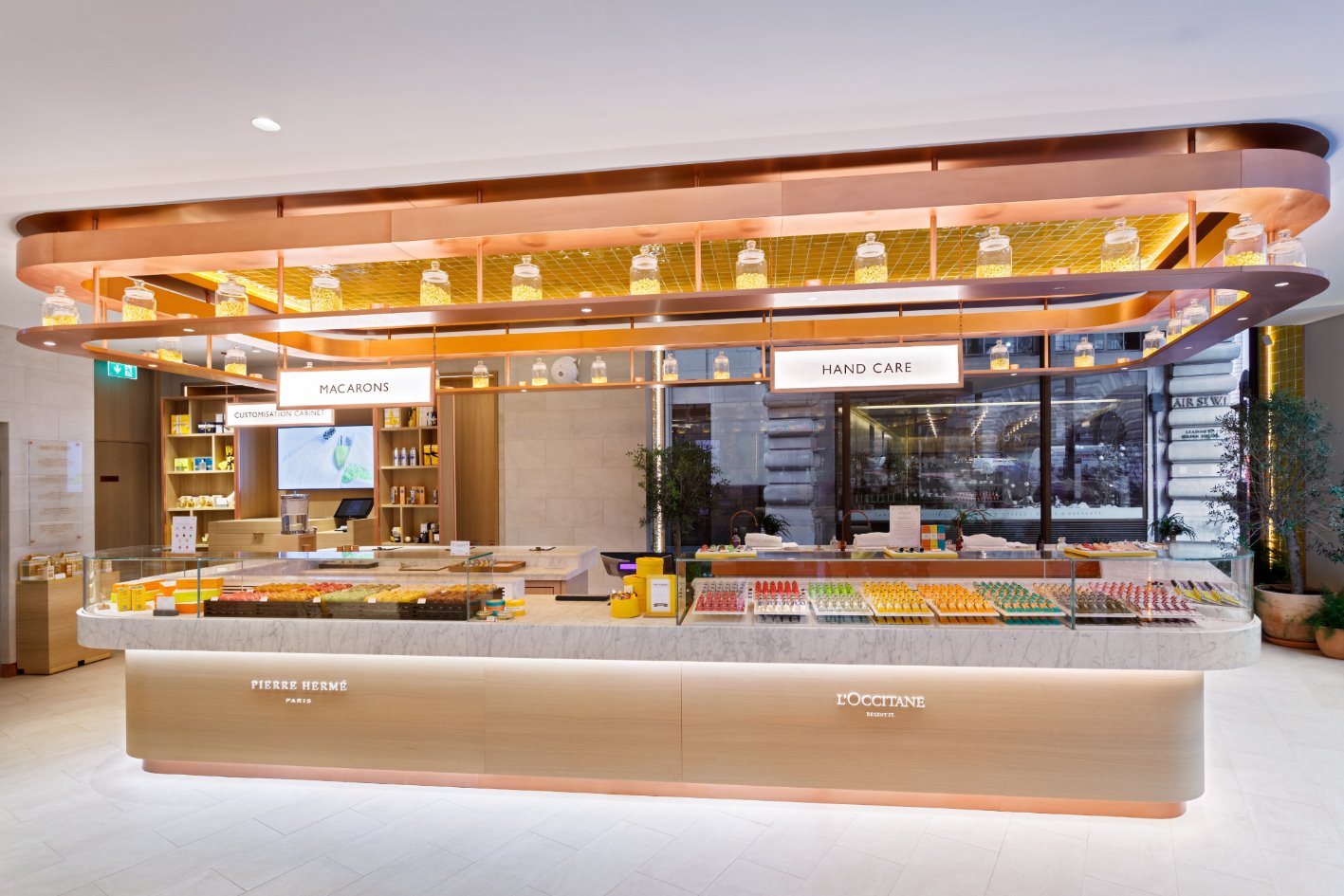
Another lesson from the likes of Gentle Monster is that rarity is a huge commodity in today’s retail landscape. If every store feels the same, the customer gets recognition, but not discovery. They know where they are, but they are not given any reason to care.
Local nuance can make a huge difference here. Consistency of brand should not mean every store feels interchangeable. The strongest retail spaces create a brand world with enough flexibility to respond to neighbourhood, community and context. A store in Manchester should not need to feel identical to one in Brighton or Birmingham to feel unmistakably of the same brand. Done well, localisation makes the brand more relevant, not less coherent.
Aesop is known for making every store unique in this way, while remaining instantly recognisable. In Barcelona, for example, it used salvaged blocks of Montjuïc stone, a local historic material no longer quarried today to tie it unmistakably to place.
Build a world people want to belong to
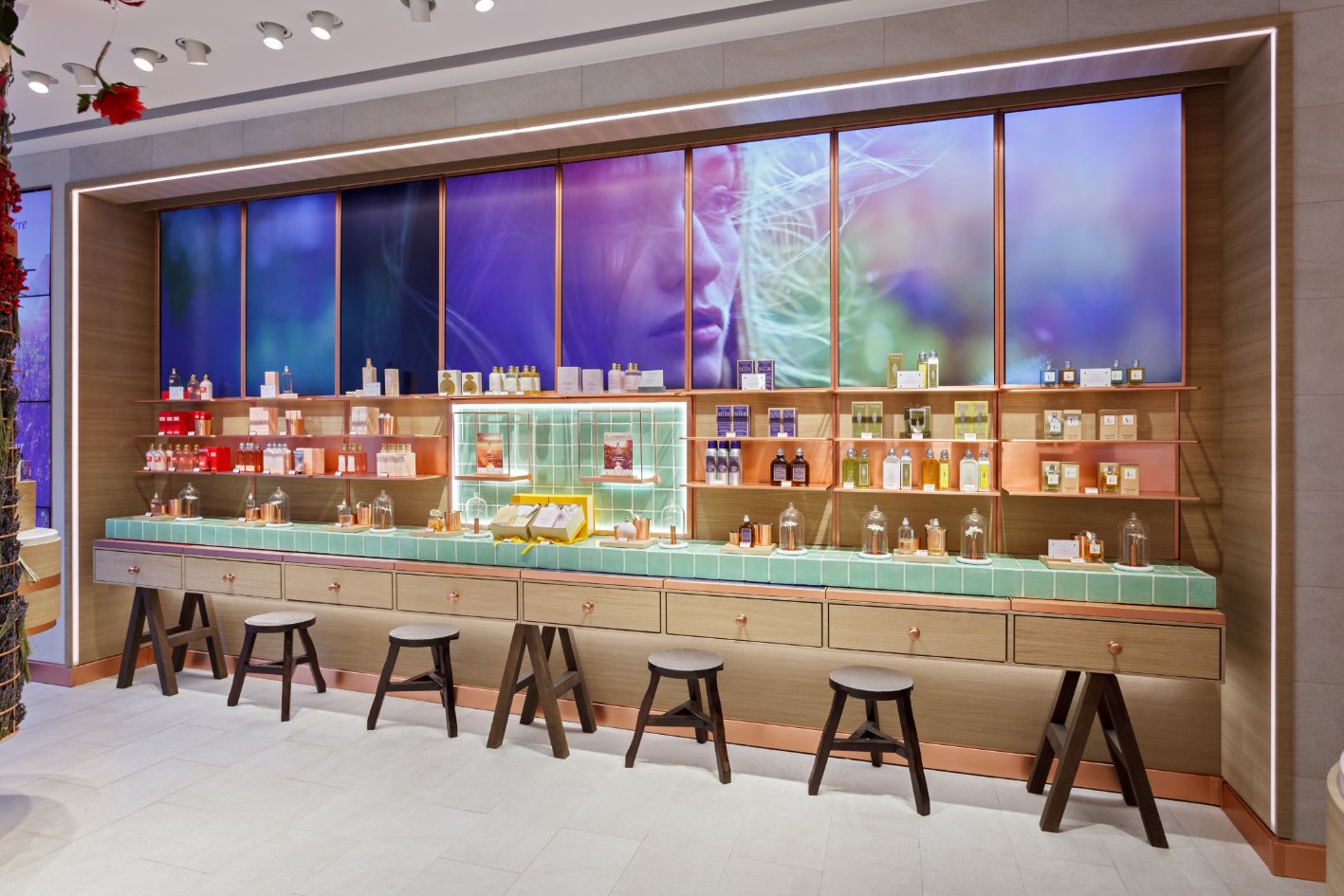
Ultimately, today’s customer wants to belong, not simply buy. The most compelling brands do not treat the store as the final mile of distribution. They treat it as the physical expression of a world customers want to enter.
That world is built through rituals and details: the welcome at the door, the confidence of staff, the way products are displayed, the sound and pace of the space, the packaging, the follow-up after purchase. These interactions may seem small, but together they give a transaction emotional weight. They also create experiences that online retail cannot easily replicate.
The great retail brands were built through clear points of view, recognisable environments, service behaviours and products that made people feel something. Standardisation can make a business easier to manage, but if it removes desire, it weakens the very reason people choose one brand over another. Those that remember that will not just protect relevance on the high street. They will give people a reason to come back.