



Walking through a modern store often feels like a very simple experience for most people. You grab an item and head to the checkout without thinking much about the journey that product took.
Behind the scenes, a complex web of digital tools keeps the shelves full and organised. These systems work day and night to keep items moving from the warehouse to the front door.
Optimising Stock Levels
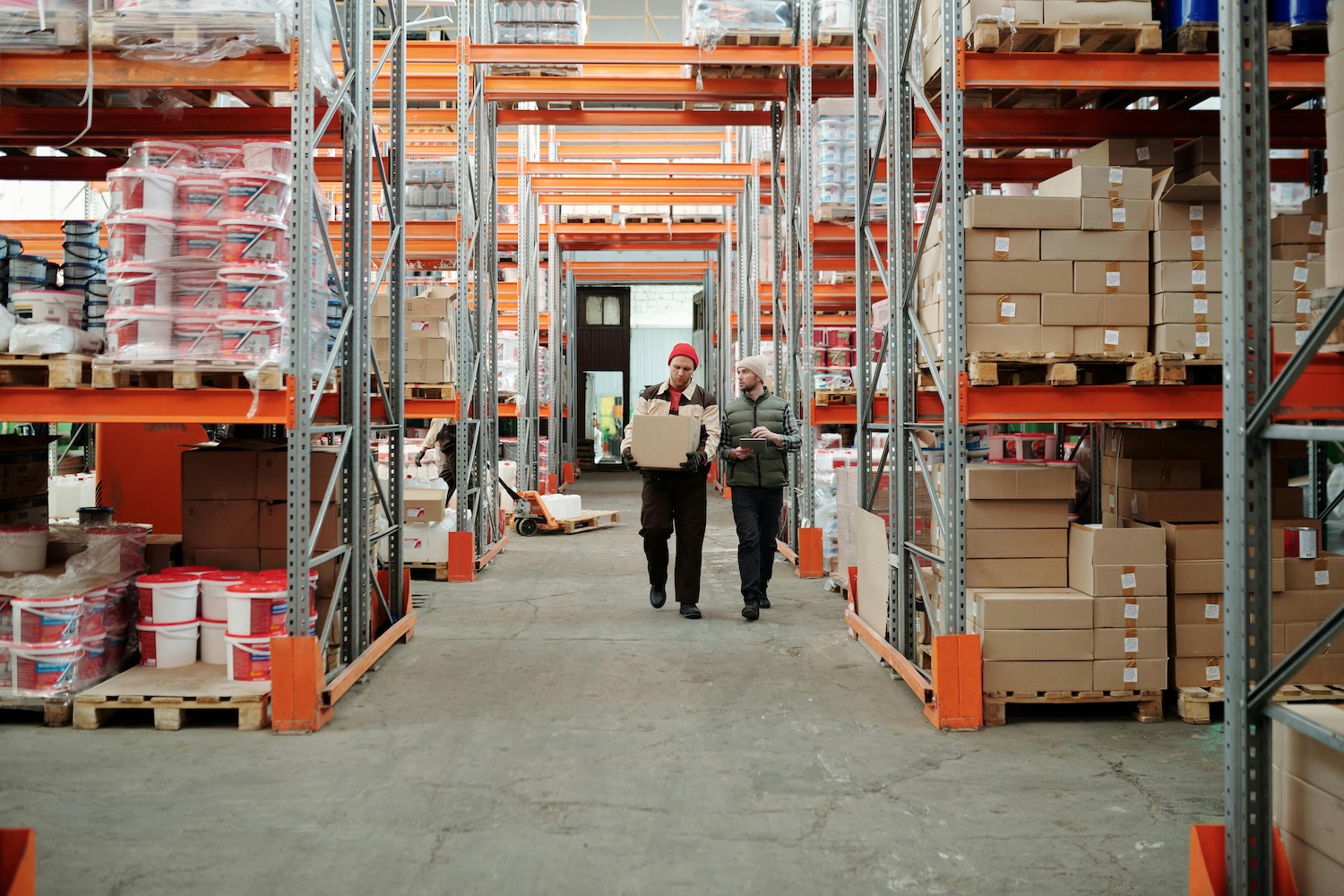
Keeping enough product on hand requires careful planning and constant monitoring of every shelf. Modern businesses often choose inventory management software to track their items – it helps them stay organised in a fast world. This visibility helps managers avoid ordering too much or running out of hot items during busy seasons.
Accurate data helps teams stay ahead of these shortages before they happen. Systems send alerts when numbers get low so a restock can happen fast. This proactive approach keeps the business running smoothly throughout the entire week.
Having the right data allows staff to answer customer questions with total confidence. It removes the guesswork from daily operations and helps the store reach its goals. Managers can focus on growing the business rather than searching for lost boxes.
Smart Retail Automation
Modern stores use automated tools to handle repetitive tasks that used to take hours. These machines help staff focus on helping customers rather than just moving heavy boxes around. This shift in labor leads to a better environment for both workers and shoppers.
Losing sales happens quickly when products are missing from the shelf when customers arrive. A recent article noted that 82% of shoppers found items out of stock during the past year. Missing products lead to unhappy guests and lost revenue for the brand.
Companies are spending more on these systems to keep their operations efficient. This investment shows how much the industry values speed and accuracy in every department.
Advanced Sales Software
Advanced software uses customer data to create better shopping trips for every person. A market research report mentions that these automated tools can increase sales conversions by up to 30%. Personalisation makes it easier for buyers to find what they want without searching for long.
These systems track what people buy to suggest the best products for the next visit. It creates a seamless experience that keeps people coming back to the store. Technology acts as a silent partner in the sales process for many brands.
These tools help with pricing and promotions during special holiday events. Data from past years helps the computer decide which items should go on sale. This method helps the store sell more while keeping the profit margins healthy.
Artificial Intelligence In Warehousing
AI is changing how managers think about their supply chains and delivery schedules – it is a major shift in the industry. These programs can predict when demand will spike before it actually happens on the sales floor. Smart algorithms look at past trends to guess what will be popular next month.
The market for AI in this space is growing fast as more companies see the benefit of smart data. Using AI helps reduce waste by only shipping what the store really needs to sell.
Some retailers worry about the speed of their internet connections in remote locations. One industry report found that 42% of brands fear their current tech is too slow for these systems. Improving the local network is a big step for any company using these high-tech tools.
Tracking With RFID Technology
RFID tags are small chips that let scanners read item data from a distance of several feet. This tech replaces old barcodes that required a direct line of sight for every scan.
- Tags work without physical contact from the employee.
- Scanners read many items at once in a single sweep.
- Data updates in real time to show exactly what is in the bin.
Projections show the market for these tags will hit USD 30.47 billion by 2034. This growth indicates that more stores are ditching the old way of doing things. It represents a major shift in how the world tracks physical goods.
Retailers use these tools to manage their money better and keep costs low. A recent report says companies in 2025 will focus on saving cash through better asset tracking. Keeping a close eye on funds helps a business grow even during tough economic times.
Efficiency In Counting
Manual counting takes a lot of time and leads to many mistakes for the team. Workers often spend hours walking through aisles with clipboards and pens to record numbers. This process is slow and often results in data that is already old.
New tracking tech cuts this counting time down by 90% or more for the average warehouse. A study found that this tech can turn an 8-hour job into less than 45 minutes. This speed allows the crew to focus on getting orders out to customers.
Fast counts mean the system always has the right numbers for online shoppers to see. People are more likely to buy when they know an item is truly in stock. It builds trust between the brand and the person buying the product.
The Future Of Warehouse Space
Companies are building more space to hold their growing product lines and extra stock – more room means more complexity. Larger buildings need better tech to stay organised and keep items from getting lost. Managing a massive floor plan is only possible with the right digital help.
A survey showed that 87% of leaders plan to grow their warehouse footprint soon. This expansion requires a big investment in both physical space and the tech to run it. Brands are preparing for a future where they hold more variety than ever before.
The industry for tracking products continues to get bigger every single year. Businesses invest in these tools to stay competitive in a very fast and crowded market.

Efficiency in retail is no longer just about having friendly service at the front counter. The hidden tech in the background makes the entire shopping experience possible for the modern world.
As these tools improve, stores will become much faster and more reliable for every buyer. Customers will find what they need with fewer delays and better prices every time they shop.