

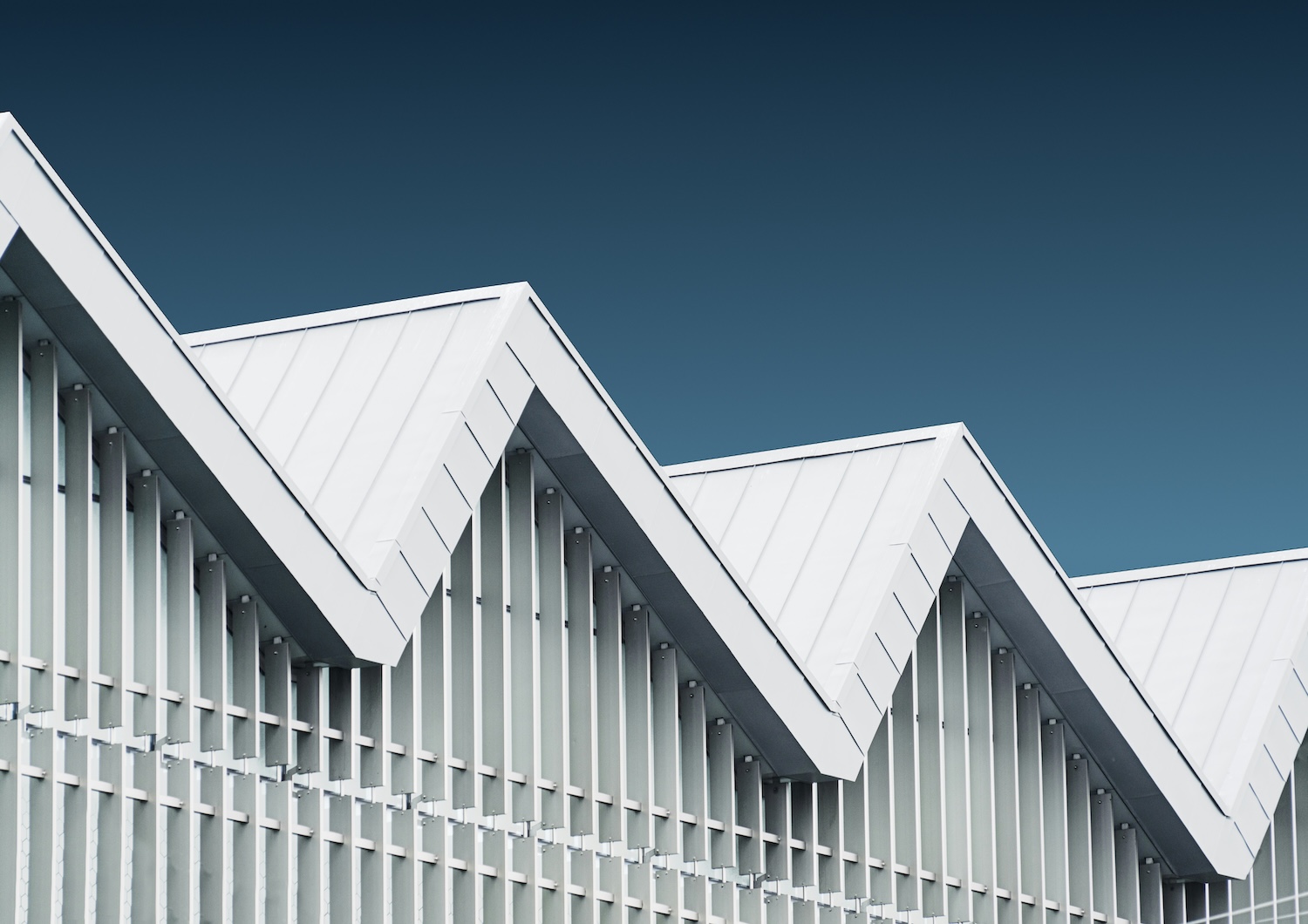


Metal buildings are durable, low-maintenance, and remarkably versatile. They go up quickly, last for decades, and work well for everything from workshops and warehouses to agricultural buildings and hobby spaces. But anyone who has spent time inside one during a July afternoon or a January cold snap knows the tradeoff: temperature swings can be brutal.
That is not because metal buildings are inherently flawed. It is because steel responds quickly to outdoor conditions. When the sun beats down, the roof and walls absorb radiant heat and transfer it indoors. When temperatures drop, the structure loses heat just as efficiently. Without the right thermal strategy, you end up fighting the weather year-round, often with higher energy bills and less comfort to show for it.
The good news is that metal buildings can be made far more stable and comfortable. The key is understanding where heat comes from, how it moves, and which upgrades actually make a difference.
Why Metal Buildings Struggle With Temperature Control
Unlike wood-framed structures, metal buildings do not have much built-in thermal resistance. Steel is a conductor, not an insulator. That means heat moves through the shell of the building quickly unless something is there to slow it down.
In summer, there are usually three main issues at work:
Solar heat gain
A dark or uncoated roof can absorb a surprising amount of heat. Once the roof panel heats up, that energy radiates downward into the occupied space below.
Air leakage
Even a well-built metal structure can have gaps around doors, ridge vents, trim, windows, and utility penetrations. Hot outdoor air finds its way in, and conditioned air escapes.
Condensation and humidity
Warm air hitting a cooler metal surface can create condensation. That moisture does more than drip. It can reduce insulation performance, encourage mold growth in enclosed areas, and make the building feel clammy.
Winter brings the reverse problem. Heat generated inside the building escapes through the roof, walls, and any unsealed openings. In large buildings with tall ceilings, warm air also rises and gets trapped overhead, leaving the usable space below colder than it should be.
Start With the Building Envelope
If you want a metal building to stay cooler in summer and warmer in winter, focus first on the envelope: the roof, walls, seams, doors, and insulation layer. HVAC can help, but it should not be your first line of defense.
Prioritise insulation that matches the application
Insulation is the backbone of temperature control in any metal building. It slows heat transfer, helps manage condensation, and reduces the workload on heating and cooling equipment. But not all insulation systems perform equally well in metal structures, especially where exposed framing, moisture, and radiant heat are part of the equation.
For many owners, the most practical place to begin is the roof, since that is where the biggest summer heat gain often occurs. Reflective insulation can be particularly useful here because it addresses both conductive and radiant heat. If you are comparing options, it helps to review systems specifically designed for steel structures, such as Bluetex Insulation, which focuses on solutions for metal building applications rather than generic residential retrofits.
Seal leaks before upgrading equipment
It is common to blame poor comfort on undersised heating or cooling systems when the real culprit is uncontrolled airflow. Before investing in new HVAC, inspect the obvious weak points:
- overhead doors and their seals
- wall and roof penetrations
- window frames
- eave and ridge transitions
- gaps around trim and flashing
Small leaks add up quickly, especially in windy or exposed areas. A tighter building is easier to heat, easier to cool, and more predictable to manage.
How to Keep Metal Buildings Cooler in Summer
Summer comfort is often about reducing heat before it enters the building in the first place. Once that heat is inside, removing it becomes more expensive.
Use a reflective roof or roof coating
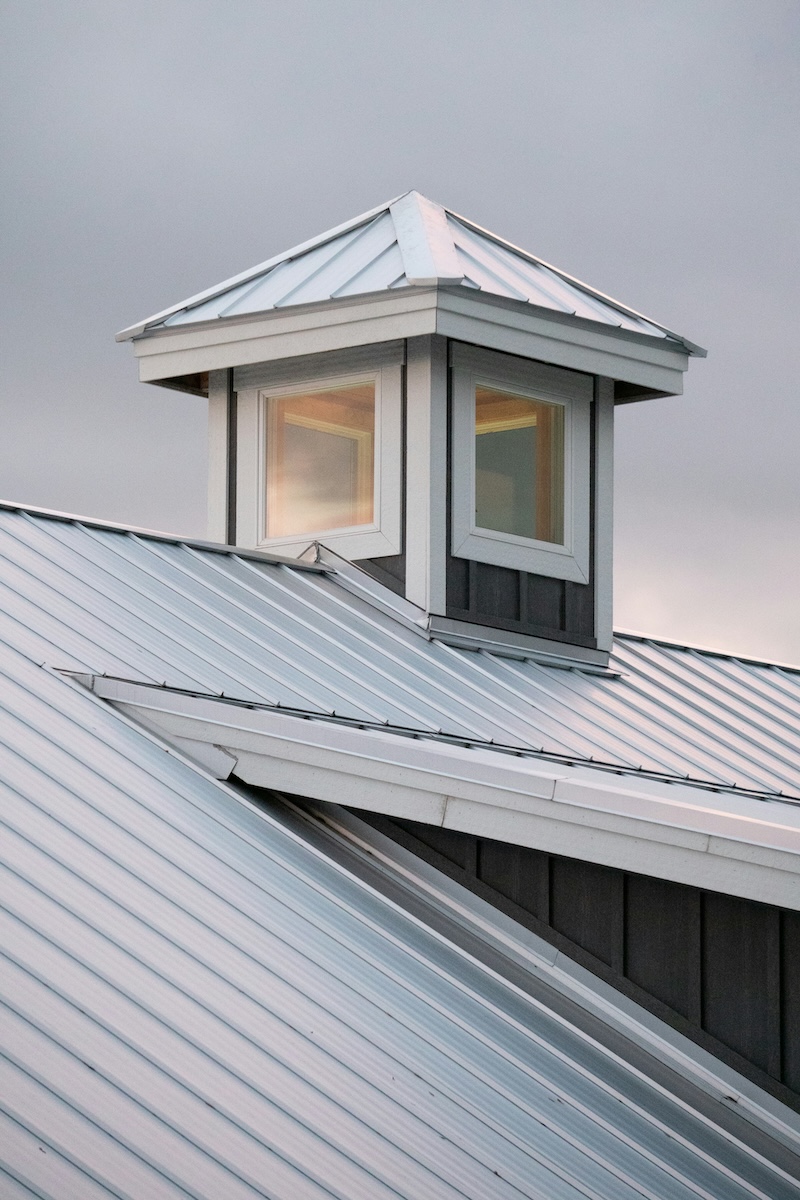
Light-colored roof panels or reflective coatings can significantly reduce solar heat gain. This is especially effective in hot, sunny climates where the roof is exposed for long periods each day. A cooler roof surface means less radiant heat reaching the interior.
Improve ventilation without relying on it alone
Ventilation can help remove built-up heat from upper areas of the building, especially in spaces with high ceilings. Ridge vents, louvers, and powered exhaust fans all have their place. But ventilation works best as a supporting measure, not a substitute for insulation. If the roof is radiating heat downward all afternoon, moving air around will only do so much.
Control internal heat loads
Lighting, machinery, compressors, and even frequent vehicle movement can all add heat. Switching to LED lighting, isolating heat-producing equipment, and scheduling high-heat tasks earlier in the day can make a noticeable difference in smaller or mixed-use buildings.
How to Keep Metal Buildings Warmer in Winter
Winter performance comes down to retaining heat and reducing cold surfaces.
Add insulation where heat loss is greatest
In many metal buildings, the roof is still the biggest factor in winter because warm air naturally rises. Wall insulation matters too, particularly in spaces used daily or occupied for long periods. If you only insulate one part of the building, the roof should usually be first on the list.
Reduce stratification
In tall spaces, the air near the ceiling can be much warmer than the air where people are working. Ceiling fans or destratification fans help push that trapped warm air back down to the occupied zone. This can improve comfort without increasing thermostat settings.
Pay attention to doors
Large overhead doors are a major weak point in winter. Damaged seals, poor fit, or frequent opening cycles can wipe out gains made elsewhere. In some settings, adding strip curtains, vestibules, or faster door operation can cut heat loss substantially.
Think Year-Round, Not Season by Season
The most effective upgrades are the ones that solve both summer and winter problems at once. Insulation, air sealing, and moisture control all work across seasons. They lower cooling demand in hot weather, reduce heat loss in cold weather, and help protect the building itself from condensation-related damage.
That broader view matters because comfort is not just about temperature. It is about consistency. A building that stays within a manageable range is easier to use, cheaper to condition, and less stressful on tools, equipment, and stored materials.
Final Thoughts
Metal buildings do not have to feel like ovens in summer or refrigerators in winter. With the right envelope strategy, they can be surprisingly efficient and comfortable.
Start with the fundamentals: reduce solar gain, seal air leaks, install insulation suited to metal construction, and support the building with sensible ventilation and airflow management. Those steps tend to outperform quick fixes and deliver benefits in every season.
If there is one takeaway, it is this: temperature control in a metal building is rarely about one big upgrade. More often, it is the result of several smart, coordinated improvements that work together. When they do, the building stops fighting the weather and starts working the way you need it to.