



The retail landscape has undergone a seismic shift in the last decade, and nowhere is this more visible than on the shelves themselves. Packaging, once viewed primarily as a vessel for protection and branding, has evolved into a critical component of a company’s environmental strategy and value proposition. For retailers and suppliers alike, the conversation has moved beyond simple utility. It is now about circularity, responsibility, and the lifecycle of the materials we put into the world.
For B2B stakeholders, understanding this shift is not just about meeting consumer demand, though that is a significant driver. It is about future-proofing operations against tightening regulations and capitalising on the operational efficiencies that modern, sustainable design can offer. We are seeing a move away from the “take-make-waste” model toward systems that prioritise longevity, recyclability, and innovative material science.
The Drivers Behind the Shift
Why is this happening now? The pressure is coming from multiple directions. Legislative frameworks across the UK and Europe are setting stricter targets for waste recovery and recycling. The proposed changes to Extended Producer Responsibility (EPR) are forcing brands to look closely at the full lifecycle costs of their packaging choices.
However, the pressure is also creative. Brands are realising that sustainable design often leads to better design. It encourages a minimalist approach that reduces weight, optimises logistics, and often results in a cleaner, more premium aesthetic that stands out in a crowded marketplace. The “unboxing experience” – a crucial touchpoint in the age of e-commerce – is increasingly judged by how easily the materials can be disposed of or repurposed by the end user.
The Renaissance of Glass Packaging
As retailers look for materials that offer both sustainability credentials and a premium feel, we are witnessing a resurgence in traditional materials used in modern ways. Glass packaging is at the forefront of this movement. Long valued for its inert nature and impermeability, glass is seeing renewed interest because it is infinitely recyclable without loss of quality.
For the food and beverage sector, as well as high-end beauty, glass offers a tactile sense of quality that is difficult to replicate. Innovations in manufacturing have allowed for lightweighting, reducing the amount of glass needed to create a robust container. This addresses the traditional logistical concern regarding shipping weight, making glass a more viable option for a wider range of products.
Furthermore, glass fits perfectly into the emerging “return and refill” models. Because it can be sterilised and reused extensively, it supports circular retail systems where the packaging remains an asset to the business rather than becoming waste for the consumer.
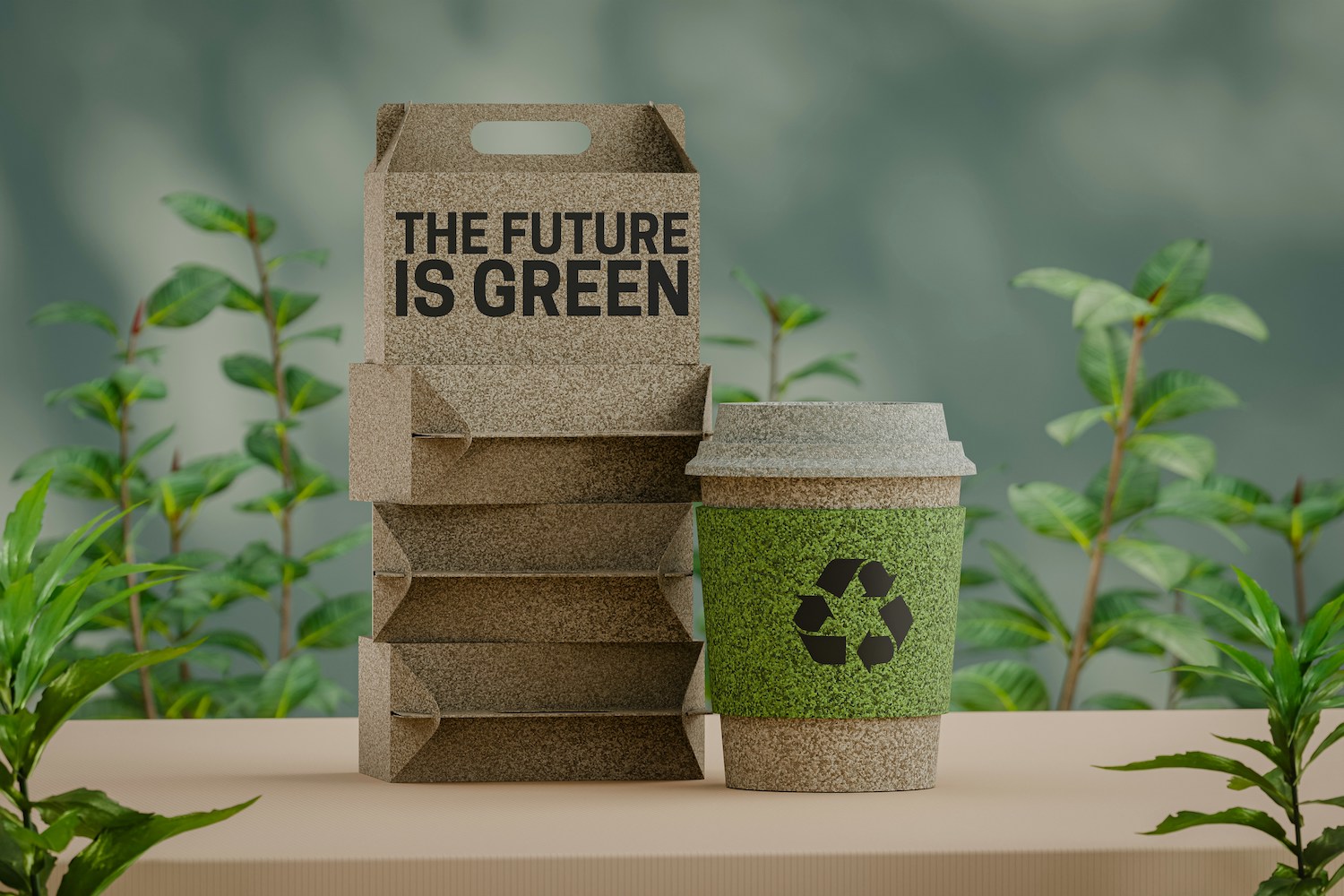
Innovation in Cosmetic Packaging
Perhaps no sector is innovating as rapidly as the beauty industry. Cosmetic packaging faces unique challenges: it must preserve active ingredients, ensure hygiene, look luxurious, and now, meet rigorous environmental standards.
Refillable systems are gaining traction in the cosmetic space. By creating a beautiful, durable outer vessel, often made from glass, and pairing it with a lightweight, recyclable inner refill, brands can reduce their material usage over time while locking customers into a loyalty loop. It transforms the packaging from a disposable wrapper into a keepsake.
The Role of Supply Chain Collaboration
For retailers, the transition to sustainable packaging is a supply chain conversation. It requires close collaboration between buyers, product developers, and packaging manufacturers.
As sustainability expectations continue to evolve, retailers are increasingly looking to experienced packaging specialists like Origin Pharma to help navigate material choices, regulatory requirements, and long-term circular design considerations.
The Future: Smart and Circular
Looking ahead, the integration of technology into packaging offers exciting possibilities for sustainability. Smart packaging, utilising QR codes or NFC (Near Field Communication), can provide consumers with instant access to recycling instructions, provenance data, and supply chain transparency. This digital layer allows brands to communicate their sustainability story without cluttering the physical pack with excessive text.
We can also expect to see a continued positive evolution of existing materials. The industry is getting better at using recycled content (PCR) within new packaging, creating a market for recycled materials and closing the loop. Bioplastics derived from renewable sources are also maturing, offering durability and protection with a renewable footprint.
The future of retail packaging is not about the elimination of any single material, but about the intelligent application of the right material for the right job. It is about assessing the carbon footprint of a package from creation to disposal and making data-led decisions.
Embracing the Change
The transition to sustainable packaging is a complex journey, but it is one that the retail sector is embracing with ingenuity and enthusiasm. It presents an opportunity to rethink how we deliver value to clients and customers. By focusing on circularity, material innovation in areas like glass packaging, and smart design in sectors like cosmetic packaging, retailers can build resilience into their business models.