

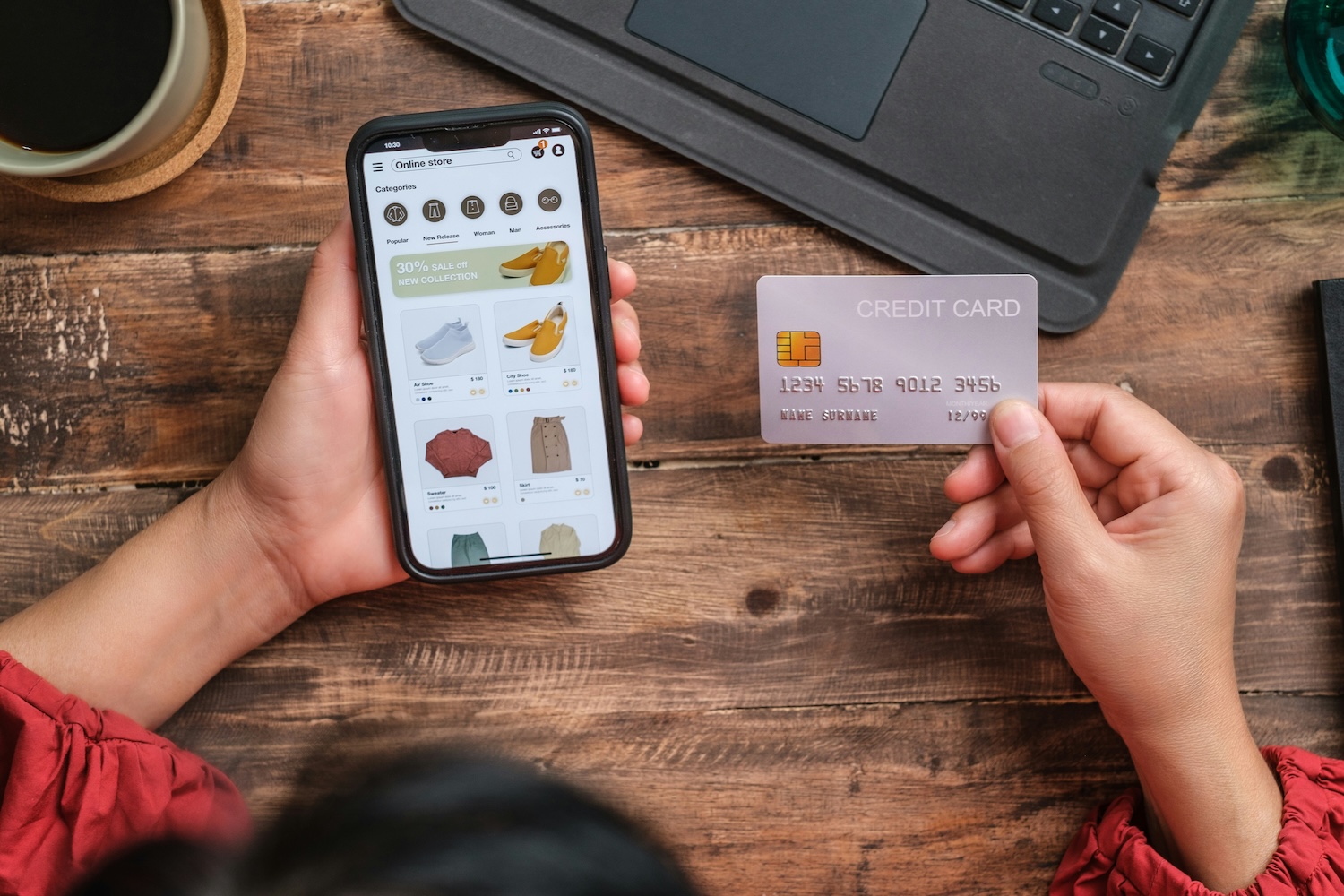

Retail’s current obsession with speed is understandable. Queues frustrate shoppers, complex forms drive cart abandonment, and every second of delay increases the risk of losing a sale. But in the race to remove every obstacle from the buying journey, the industry may be stripping out something genuinely valuable, the moments that build lasting customer relationships.
Seamless is not the same as meaningful. When retailers eliminate every point of engagement, they also eliminate every opportunity to learn who their customers actually are.

The Checkout Speed Myth Retailers Ignore
The assumption that faster always means better is rarely questioned in retail strategy meetings. Yet the data tells a more complicated story. Approximately 82% of Britons are signed up for a supermarket loyalty programme, with Tesco achieving 72% spontaneous recall and Nectar 54%, and every one of those relationships began with an account creation step that most frictionless advocates would consider a barrier.
These aren’t passive sign-ups either. Loyalty scheme members actively engage, change shopping behaviours, and form brand preferences precisely because the initial registration created a moment of commitment. That friction was the foundation, not the obstacle.
Where Zero-Friction Models Are Backfiring
Checkout-free and fully automated experiences are gaining traction, particularly with younger demographics. But the tradeoffs are significant. Research from Avery Dennison found that 56% of consumers report difficulty seeking staff assistance in frictionless store formats, even as interest in the format grows among Gen Z shoppers.
That gap, between novelty appeal and actual service satisfaction, is where brand erosion begins. Retailers investing heavily in automated checkout often find they’ve optimised for speed whilst inadvertently reducing the human touchpoints that turn occasional buyers into loyal customers.
What Verified Identity Adds to Retail Trust
Identity verification isn’t just a compliance step; it’s a trust signal. When a shopper creates an account, confirms their details, and opts into a programme, they’re signalling intent. Retailers who capture that moment properly have a foundation for personalisation, targeted rewards, and long-term retention.
This appears across sectors where trust and transparency are paramount. In digital environments, platforms that skip verification steps often struggle to build sustained user relationships. For example, no kyc crypto casino platforms use decentralisation, allowing users to sign up with just their crypto wallet address. This model is built on anonymity, which appeals to some users, allowing operators to personalise, retain, or build genuine loyalty over time. The similarity for retail is direct: removing identity steps removes the scaffolding of the relationship.
According to Cardlytics’ UK State of Loyalty Spend 2024, 61% of UK adults are more likely to visit a store if it offers a loyalty or rewards system, rising to 70% among 18-to-34-year-olds, a demographic that frictionless retail strategies often assume want speed above all else.
Speed Without Relationship Is a Dead End
Frictionless checkout can absolutely coexist with loyalty, but only when identity and relationship-building happen at a different stage of the customer journey. The mistake retailers make is assuming that removing friction everywhere creates a better experience. In reality, it often creates a forgettable one.
The most successful retail programmes in the UK today, those driving repeat visits, higher basket values, and genuine brand affinity, are built on data relationships that require some form of deliberate customer participation.
Affordability matters enormously amid ongoing cost pressures, but loyalty schemes have proven that consumers will accept a small registration burden in exchange for perceived value and personalised recognition.
Speed is a hygiene factor. Relationship is a differentiator. Retailers who treat checkout optimisation as their primary loyalty strategy are solving for the wrong problem entirely, and the brands that recognise this distinction early will hold a meaningful competitive advantage in the years ahead.