


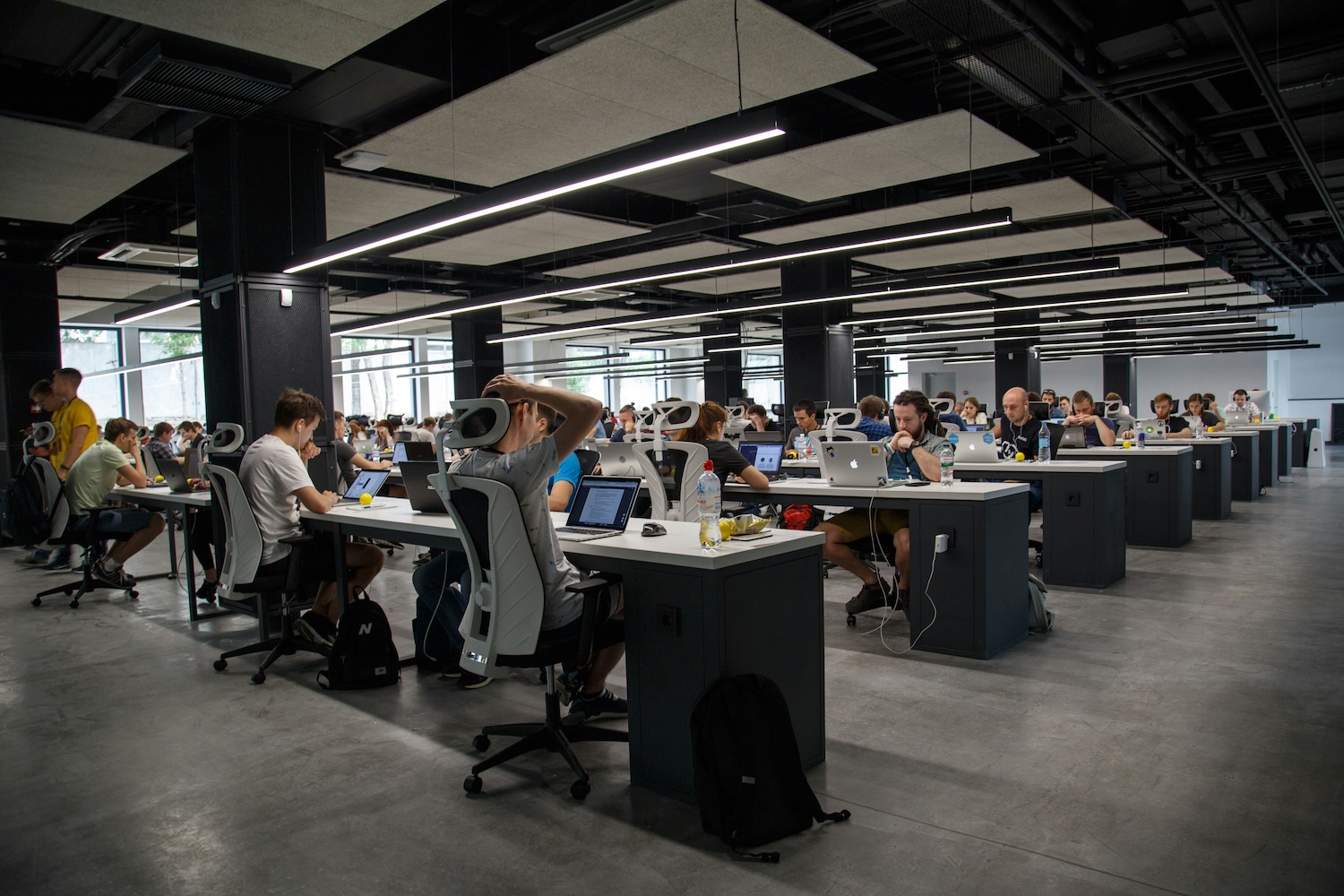
Design teams often feel the weight of constant updates and shifting consumer habits. Creativity can sometimes run dry when you are staring at the same floor plans every day. Finding a way to reignite that spark is a key part of staying ahead of the competition.
A small boost in motivation or a fresh perspective can make a massive difference. It keeps your brand relevant and your staff engaged.
The Pressure Of Modern Retail Spaces
High pressure environments often lead to creative fatigue within design departments. Inviting experienced JLA speakers, or other speakers, helps inject fresh perspectives into stagnant projects. New ideas can then flourish across the entire shop floor.
Staff members who work on the same brand for years might struggle to see things from a customer perspective. They get used to the same layout and the same visual cues. External voices break those habits by introducing concepts from outside your specific sector.
Retailers are facing more competition than ever from online platforms. The physical store must offer something unique that a screen cannot provide. Designing these experiences requires a high level of energy and a willingness to take risks.
Finding New Perspectives From Experts
External experts bring a wealth of knowledge from different industries. They often see patterns that internal teams might miss because they are too close to the work. Hearing about successes in other fields can inspire your team to try something bold.
Workshops or talks give your designers a chance to step away from their desks. Taking a break from the daily grind allows the brain to process information in a new way. It is during these moments of rest that the best ideas often surface.
Bringing in a guest speaker shows your team that you value their professional growth. It proves that the company is willing to invest in their skills and their mental well-being. This investment often results in higher quality work and better retention rates.
Focusing On Cultural Change
Changing the physical look of a shop is only half the battle. The internal culture of the design team needs to support constant improvement and open communication. A recent leadership report mentioned how figures at Timpson Group focus on cultural shifts to inspire their colleagues.
Leaders who prioritise the feelings and attitudes of their staff often see better results. If designers feel safe to fail, they are more likely to propose radical new ideas. Creating a space where everyone feels heard is a powerful tool for any retail business.
This focus on people leads to a more resilient workforce. When staff members feel inspired, they bring more energy to their design tasks. They start to look for ways to improve the customer journey without being asked.
Strategies For Brand Turnarounds
Large scale projects require a different set of skills compared to daily maintenance. Refreshing a legacy brand is a massive undertaking that involves every level of the business. Marketing directors at major supermarket chains like Tesco have previously shared insights on leading large scale brand turnaround projects.
Studying these case studies helps your team understand the scale of what is possible. It shows them how to manage complex timelines and multiple stakeholders. Learning from those who have done it before reduces the fear of a massive rebrand.
This strategy allows your team to prepare for the challenges ahead. They can identify potential pitfalls before they happen. Having a clear roadmap makes the entire design process much smoother for everyone involved.
Practical Steps For A Fresh Look
Giving your team a boost does not always require a massive budget. Small changes to the way they work can have a significant impact on their output. You can start by changing the physical environment where they create their designs.
Consider these steps to refresh your creative workflow:
- Schedule regular brainstorming sessions away from the office.
- Encourage designers to visit competing stores and take notes.
- Set aside 1 hour a week for personal research on global design trends.
- Invite different departments to give feedback on early sketches.
- Rotate project leads to give everyone a chance to manage a team.
Changing the routine prevents boredom and keeps the mind sharp. It forces people to look at problems from a different angle. Even a simple change like a new seating plan can spark a new conversation.
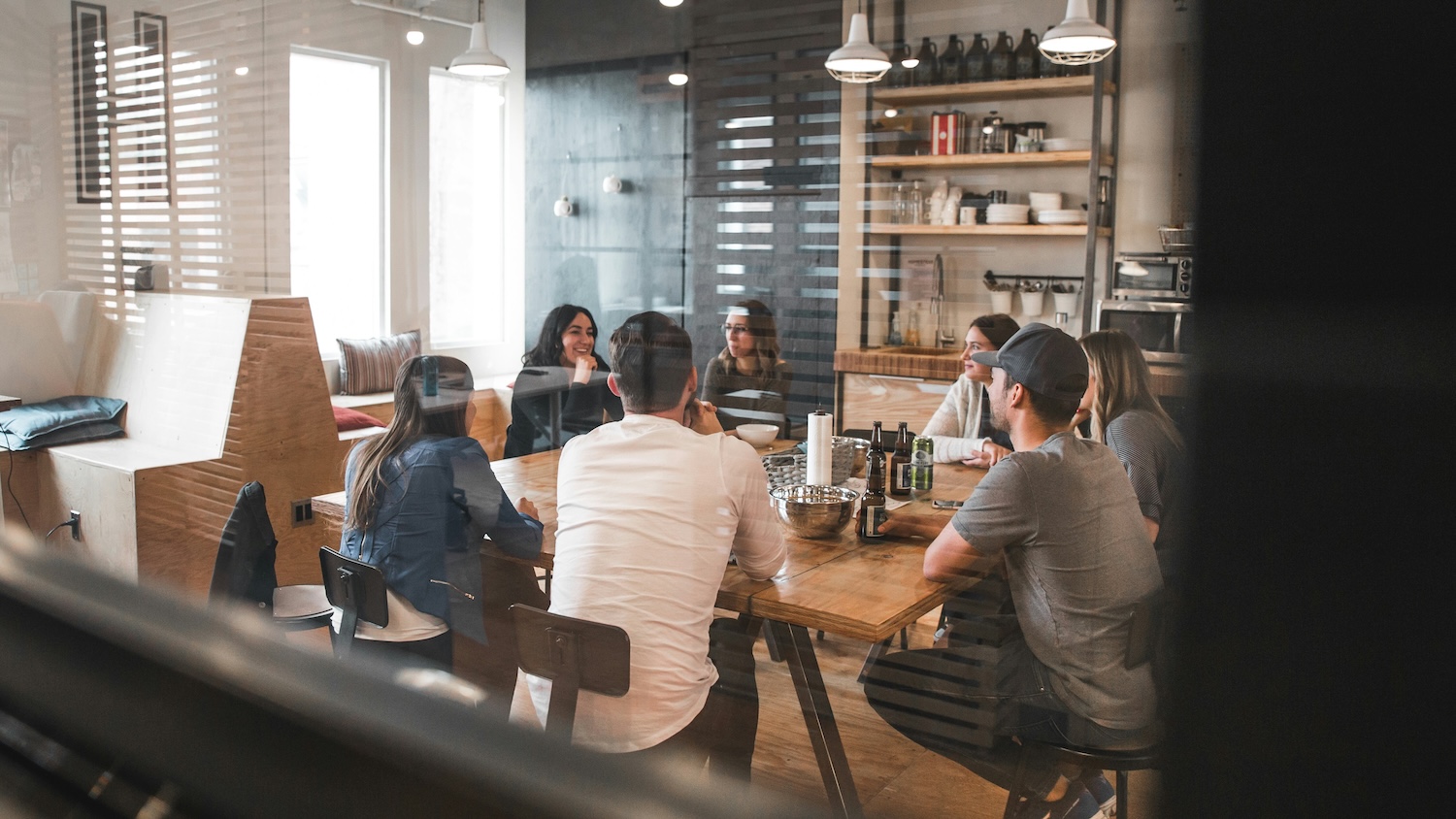
Keeping a retail design team motivated is a continuous process. It requires a mix of internal support and external inspiration. Introducing new voices and case studies helps to break the cycle of routine thinking.
By focusing on culture and agile methods, brands can stay ahead of shifting trends. Investing in your people is the best way to guarantee a fresh and exciting shopping experience for your customers.