



Offices Are Copying the Shop Floor. They Need to Go Further.
Walk into a newly refurbished office and you could be forgiven for thinking you had wandered into a flagship store. There is a barista where the reception desk used to be. There are lounge chairs in colours no procurement department would have signed off a decade ago. There is a feature wall, a plant wall, a neon sign with a slogan on it. The workplace has spent the past few years studying retail and hospitality, and it has come home with the mood board.
This is not a complaint about the look. Much of it is welcome. But the borrowing has been oddly literal, and it has stopped at the surface. Offices have copied what a good store looks like. They have mostly missed what a good store does.
Retailers have known the difference for a very long time.
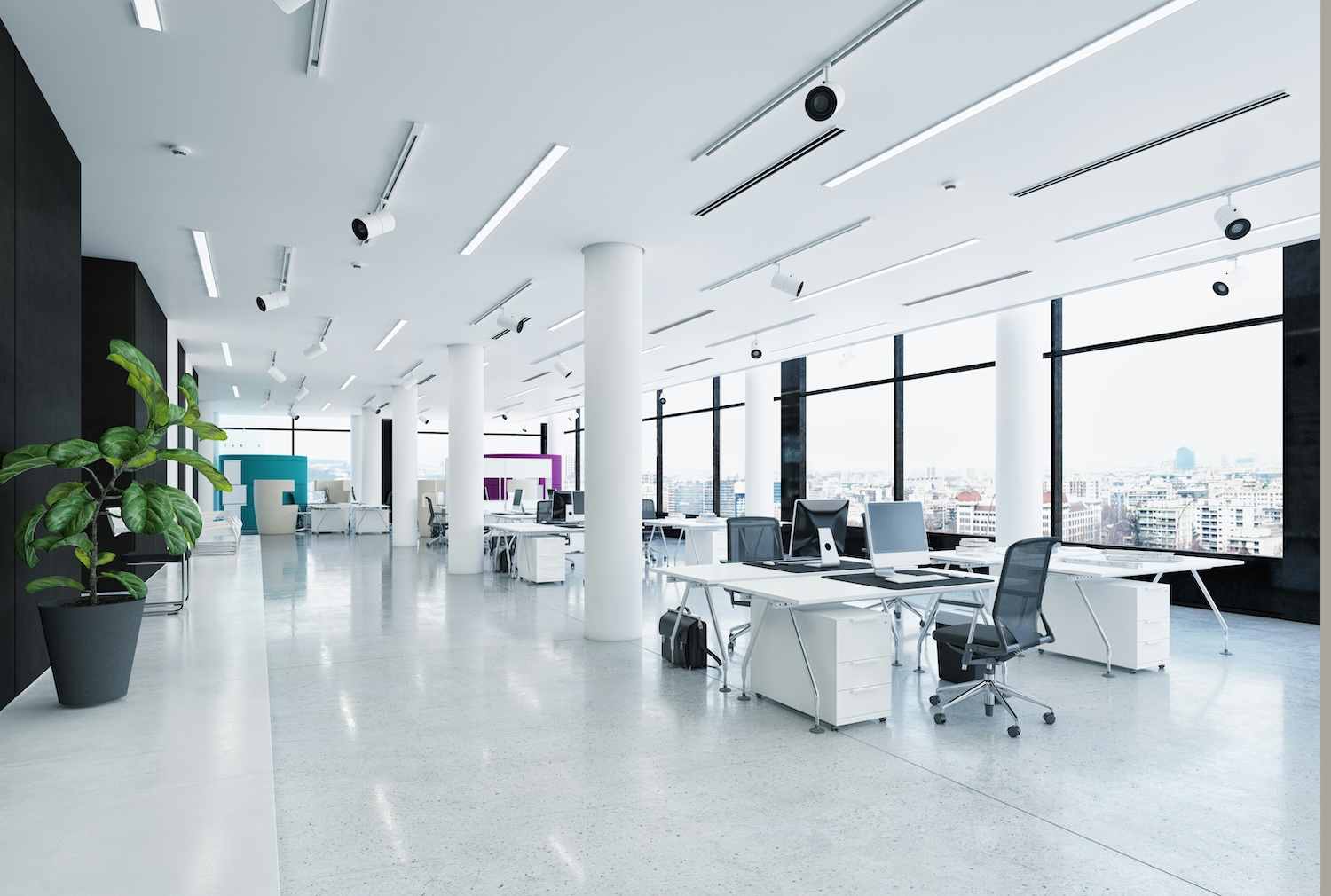
The shop floor was never really about the shelves
The reason a department store puts cosmetics by the entrance, sends you up an escalator that lands you mid-floor rather than at its edge and leaves a chair by the fitting rooms is that none of it is decoration. It is behaviour, designed. Retail worked out long before anyone gave it a name that a space is a set of instructions people follow without reading them.
Paco Underhill, the founder of the retail research firm Envirosell and author of “Why We Buy: The Science of Shopping”, spent years filming shoppers to understand how the built environment shapes what they do. His conclusions were rarely about the merchandise. “A chair says: we care,” he wrote, making the point that the parts of a store which have nothing to do with selling are often the parts that persuade. A place that looks after you is a place you stay in, and a place you stay in is a place you buy in.
That is the intelligence the office is now trying to import. The practice has a tidy name in workplace circles, behavioural design, but it is the shop floor’s oldest craft: shaping how people move and settle through visibility, desirability and wayfinding rather than through instruction. Put the staircase in the middle and people use it. Give the phone booths the best view and people book them. Make the good coffee reachable only by walking past your colleagues and, without a single memo, people talk to each other more. The office is discovering all this the way a tribute act discovers a song.
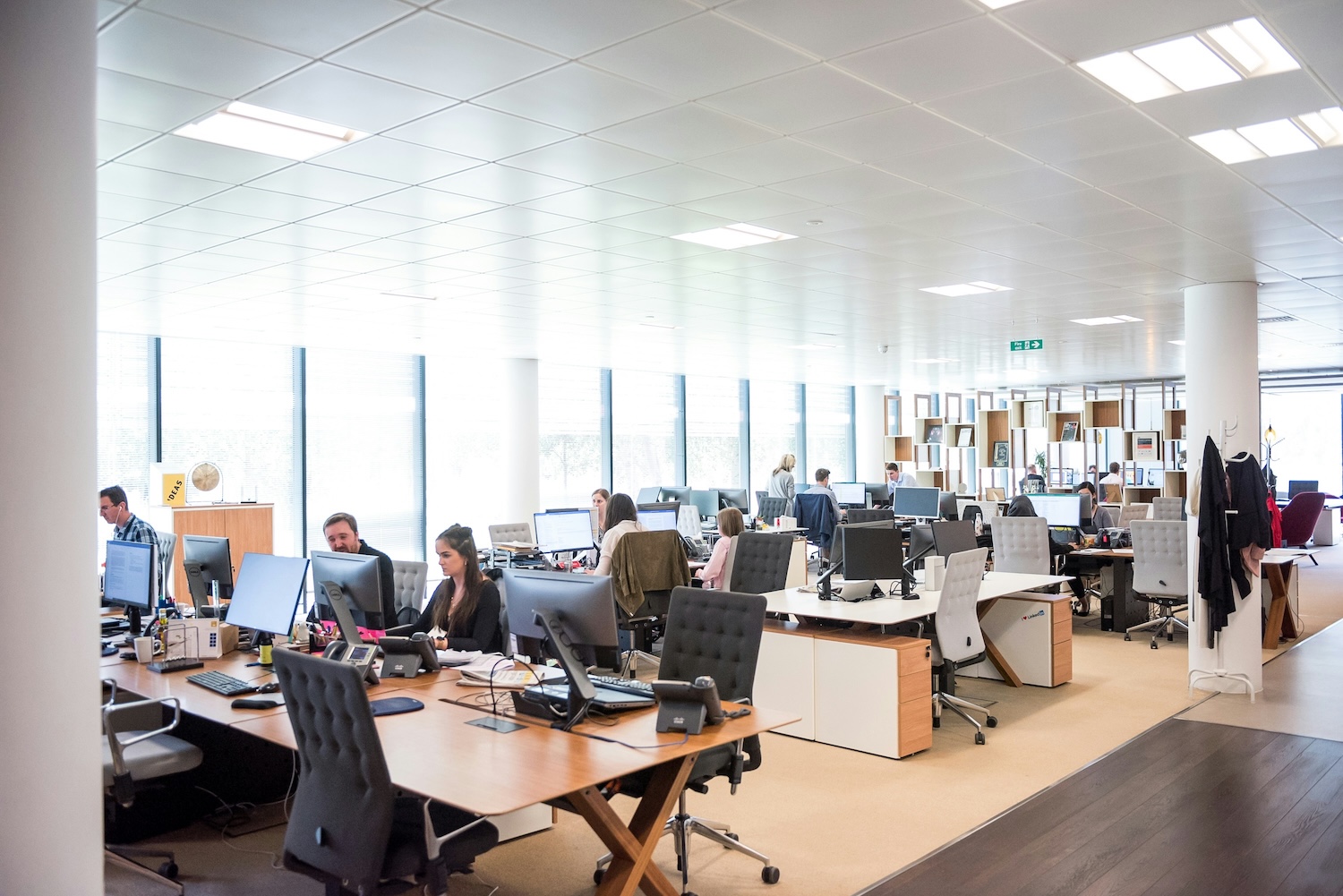
The half that got left behind
Here is where the copying goes wrong. Retail’s genius was never the furniture. It was the discipline behind the furniture, and that is the part offices have not packed.
Start with measurement. A serious retailer knows, in numbers, how long people linger by a display, which route they take across the floor, where they slow down and where they give up. It tracks dwell time, maps foot traffic and moves the fixtures when the evidence says the fixtures are wrong. The store is a hypothesis, tested every week.
The office measures almost none of this. It counts occupancy, which is to say it counts whether you turned up, then treats the answer as a verdict on the building. Average UK office utilisation has slipped to around two thirds, down from a long-standing benchmark of 80 per cent, according to the British Council for Offices, and the common response has been to argue about attendance policy rather than to ask the retailer’s question. When people are here, what do they do, and does the place help them do it? A shop that knew only how many customers came through the door, and nothing about what happened next, would not survive a season.
Then there is the sensory journey, which retail choreographs and the office leaves to chance. Light is tuned to the task and the mood. Sound is managed rather than endured. The entrance is treated as a decompression zone, a deliberate pause that resets you as you arrive. Offices, having bought the lounge furniture, still tend to file acoustics under complaints to handle later and the entrance under somewhere to put a sign-in tablet. The atmosphere that makes a store feel considered is the atmosphere the office keeps forgetting to design.
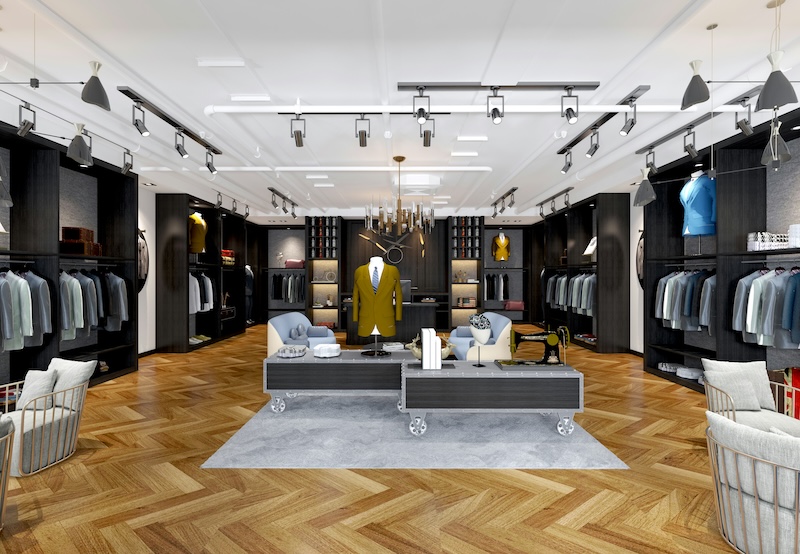
Retail has already moved on
The more uncomfortable truth for anyone treating the experiential office as the finish line is that retail has left that line behind. The shop floor is no longer trying to be a nicer place to buy things. It is becoming the thing being bought.
“The most important product will be the experiences it offers shoppers,” argues Doug Stephens, the founder of the consultancy Retail Prophet and a widely followed retail futurist. The store as stage, as the reason for the visit rather than the container for the transaction, is where the strongest retailers now compete. Product can be delivered to a doorstep. Presence has to be earned, and it is earned with something worth leaving the house for.
The office is arriving at a destination retail is already leaving. It has learned that people will not commute for a desk they could have at home, which is the same lesson the high street absorbed when the parcel started arriving the next morning. The answer, in both cases, is not a more comfortable version of the old container. It is a reason to be there that only being there can provide.
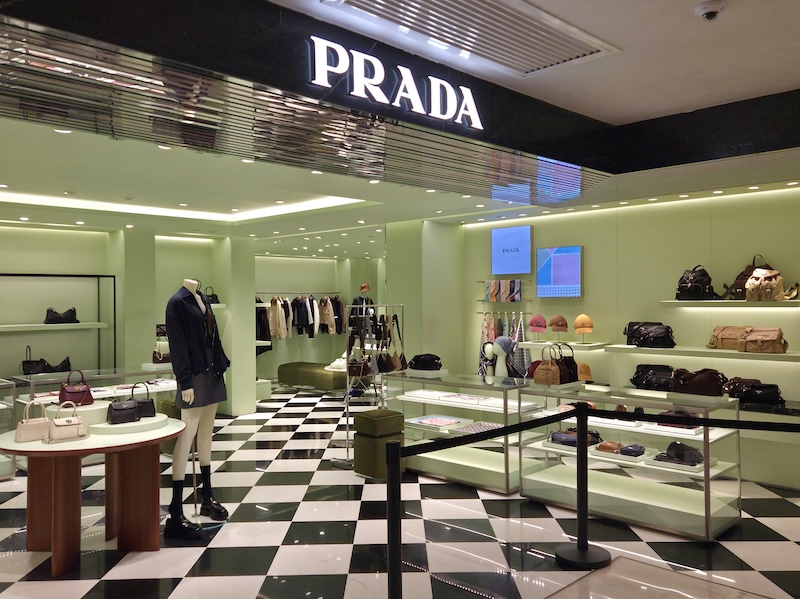
Take the discipline, not the decor
The office does not need to look more like a shop. It needs to think more like one. The barista and the lounge chairs are fine, but they are the easy half, and on their own they deliver the disappointment of a room that photographs well and works badly.
The hard half is the one worth taking. Watch how people really use the place. Design the whole route through it, not just the objects in it. Change what is not working instead of waiting for the lease to end. Treat the visit as something the building has to earn rather than something a policy can compel. Retailers have been doing all of this for a century, running one of the most sophisticated behavioural laboratories on the high street, and getting remarkably little credit for it from the people now raiding their playbook.
The office spent years asking whether people would come back. The shop floor could have told it that this was always the wrong question. The one that matters is what they find when they do.