


New analysis from luxury flooring store Designer-Carpet.co.uk points to a reversal in UK consumer flooring preferences, with carpet recovering ground lost to luxury vinyl tile (LVT) after more than a decade of decline.
Their research showed carpet retaining a 25% share of the £3.5 billion UK flooring market, against LVT’s 35%, with 21% of homeowners currently planning flooring expenditure. Designers and retailers are reporting a shift in briefs, with clients specifying rich colours, high-pile textures, and bold patterns in growing numbers. This marks a departure from the cool and minimalist hard-floor aesthetic that has defined residential interiors since the mid-2010s.
“We’re seeing a real swing back to carpet, particularly in bedrooms and family spaces,” says Ben Herbert, Director at Designer Carpet. “People spent years living with hard floors, but they’re now realising they’ve been missing out on the warmth underfoot, sound absorption, and that sense of comfort that only carpet provides.”
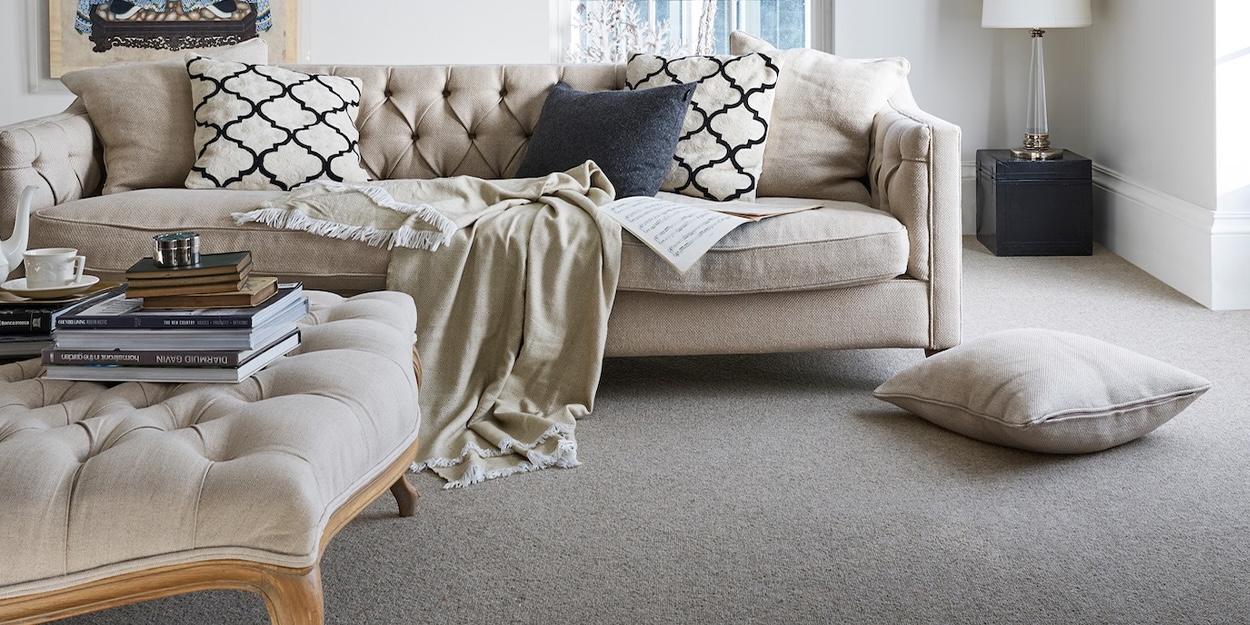
Designer Carpet’s analysis also points to a colour palette shift as part of the same trend. Earthy neutrals including beige surged 22% in 2024, with natural stone and cream tones forecast to lead the category in the coming year. Dark greys remain the top-selling colour overall, though their dominance is narrowing. Industry trendspotters note demand for plush, high-pile carpets in warm shades, framed as a response to homes that consumers describe as feeling “clinical.”
The argument for products that last is also gaining traction with buyers. Wool carpet can last 20 to 25 years with proper maintenance, a figure Herbert says is prompting direct comparisons with LVT replacement cycles. “When you compare that to LVT replacement cycles, the economics start to make sense, especially when you factor in the comfort benefits.”
The shift aligns with broader movement toward maximalism and colour-drenching across interior design categories. For flooring retailers, the data suggests a ranging opportunity: consumers returning to carpet are seeking premium specifications, not the mid-market products that lost the category ground to hard flooring in the first place.