



When selecting labels for your business, cost is often a major consideration.
Understanding Why Label Durability Is Important
However, there are many situations where durability is far more important than achieving the lowest possible price. In industries where labels must remain clear, legible, and scannable for extended periods, investing in high-quality thermal transfer labels can provide significant long-term value.
Thermal transfer labels are widely recognised for their exceptional durability and reliability. Unlike other labelling solutions that may fade, smudge, or deteriorate over time, thermal transfer printing creates highly resilient labels capable of withstanding challenging environments. For businesses operating in manufacturing, logistics, healthcare, warehousing, retail, and asset management, label performance can have a direct impact on efficiency, compliance, and customer satisfaction.
Understanding when thermal transfer labels offer the best solution can help businesses make informed decisions that support long-term operational success.
What Are Thermal Transfer Labels?
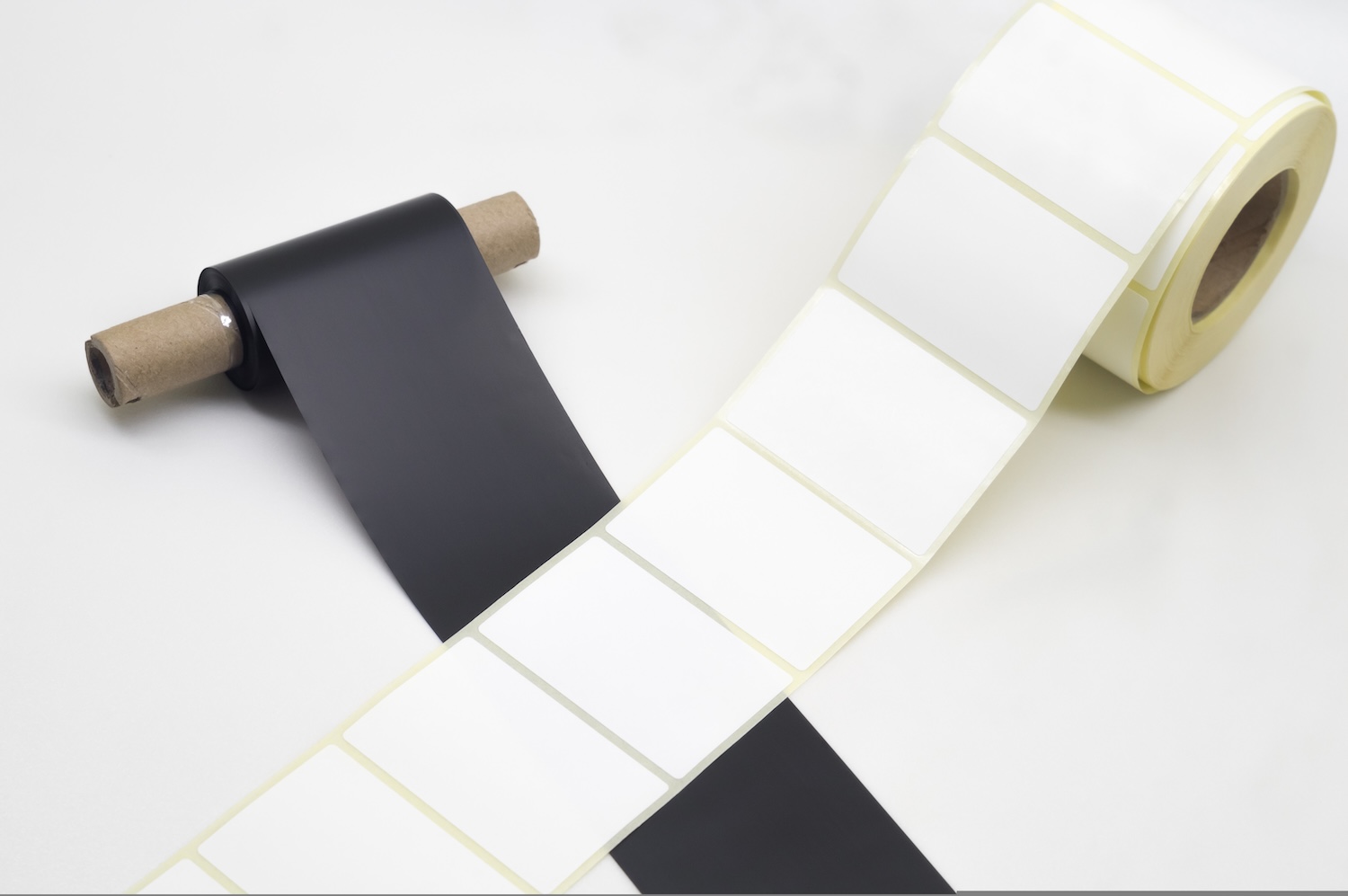
Thermal transfer labels are produced using a specialist printing process that combines heat, labels, and a thermal ribbon. During printing, heat from the printer’s printhead transfers ink from the ribbon onto the surface of the label material.
This process creates sharp, high-quality images, text, and barcodes that become permanently bonded to the label. The resulting print is significantly more resistant to environmental factors than many alternative labelling methods.
Thermal transfer printing can be used on a wide range of materials, including paper labels, polypropylene labels, polyester labels, synthetic labels, and specialist industrial label products. This versatility allows businesses to choose a label solution that matches both their operational environment and durability requirements.
Why Thermal Transfer Labels Offer Superior Durability
The primary reason businesses choose thermal transfer labels is their ability to maintain print quality over extended periods. Because the image is transferred using ribbon ink rather than relying on heat-sensitive coatings, the print remains stable and highly resistant to fading.
Thermal transfer labels perform exceptionally well when exposed to sunlight, moisture, heat, cold temperatures, chemicals, and abrasion. This makes them suitable for environments that would quickly damage other forms of labelling.
Whether labels are attached to industrial equipment, products in storage, outdoor assets, or inventory items moving through complex supply chains, thermal transfer technology helps ensure information remains readable throughout the product’s lifecycle.
The Role of Thermal Transfer Labels in Barcoding
Reliable barcode scanning is essential across countless industries. Poor-quality labels can lead to scanning errors, delayed shipments, inventory inaccuracies, and operational inefficiencies.
Thermal transfer labels are specifically valued for their ability to produce crisp, highly defined barcodes that maintain readability over time. Because the print does not easily fade or smear, barcode scanners can continue to read information accurately even after prolonged use.
This makes thermal transfer printing particularly beneficial for stock management systems, warehouse operations, manufacturing facilities, and logistics networks where accurate barcode performance is critical to productivity.
Supporting Long-Term Asset Tracking
Many organisations require labels that remain attached and readable for years rather than weeks or months. Asset tracking programmes often involve identifying machinery, IT equipment, vehicles, tools, and infrastructure assets throughout their operational lifespan.
In these situations, label durability becomes significantly more important than minimising initial costs. Replacing damaged labels repeatedly can create additional labour costs, reduce operational efficiency, and increase the risk of data inaccuracies.
Thermal transfer labels provide a dependable long-term solution by maintaining clarity and adhesion under demanding conditions. As a result, businesses can track valuable assets more effectively while reducing maintenance requirements.
Thermal Transfer Labels for Manufacturing Environments
Manufacturing facilities often present challenging conditions for labels. Products, equipment, and packaging may be exposed to dust, oils, chemicals, temperature fluctuations, and frequent handling throughout the production process.
Labels used in these environments must withstand these challenges while retaining critical information such as serial numbers, product identifiers, batch codes, and safety instructions.
Thermal transfer labels are well suited to manufacturing applications because they offer excellent resistance to wear and environmental exposure. Their durability helps support product traceability, quality control procedures, and compliance with industry regulations.
Enhancing Warehouse and Inventory Accuracy
Warehouses depend on accurate labelling systems to maintain efficient inventory control. Shelf labels, pallet labels, rack labels, and product identification labels must remain legible to ensure stock can be located and managed effectively.
Damaged or faded labels can lead to picking errors, inventory discrepancies, and delays that impact customer service levels. Thermal transfer labels help minimise these risks by providing long-lasting identification that remains readable even in high-traffic warehouse environments.
For businesses managing large inventories, the reliability of thermal transfer labels can contribute directly to improved productivity and inventory accuracy.
Meeting Compliance and Regulatory Requirements
Many industries face strict regulatory requirements relating to product identification, traceability, and safety information. Healthcare providers, pharmaceutical manufacturers, food producers, and industrial businesses often need labels that remain readable for extended periods.
In regulated sectors, damaged labels can create compliance risks and potentially lead to operational disruptions. Thermal transfer labels help support compliance by ensuring critical information remains permanently visible and accessible.
Clear product identification, batch coding, safety information, and asset labels contribute to effective audits, traceability processes, and quality assurance systems. For organisations operating under regulatory oversight, durability is often a necessity rather than a luxury.
Performing in Outdoor Environments
Outdoor applications place significant demands on label materials and print quality. Exposure to ultraviolet light, rain, temperature fluctuations, and physical wear can cause many labels to deteriorate rapidly.
Thermal transfer labels are commonly selected for outdoor use because of their ability to withstand harsh environmental conditions. When paired with suitable synthetic label materials and appropriate ribbon formulations, they can deliver excellent resistance to weathering and fading.
Industries such as utilities, construction, telecommunications, and infrastructure management frequently rely on thermal transfer labels to maintain long-term identification of equipment and assets located outdoors.
Comparing Thermal Transfer Labels with Direct Thermal Labels
Businesses often compare thermal transfer labels with direct thermal labels when selecting a printing solution. While both technologies use heat during printing, they serve different purposes.
Direct thermal labels rely on a heat-sensitive coating that darkens when exposed to heat from the printer. These labels work well for short-term applications such as shipping labels, delivery labels, and temporary identification.
However, direct thermal labels can fade over time when exposed to heat, sunlight, or environmental conditions. Thermal transfer labels do not suffer from the same limitations because the image is created using ribbon ink that permanently bonds to the label surface.
For long-term applications where reliability is essential, thermal transfer labels are generally considered the superior option.
Understanding the True Cost of Label Ownership
At first glance, thermal transfer labels may appear more expensive because they require both labels and ribbons. However, focusing solely on purchase price can be misleading.
The true cost of a label solution extends beyond its initial purchase. Businesses should also consider replacement costs, labour requirements, operational downtime, compliance risks, and the potential impact of incorrect identification.
When labels fail prematurely, organisations often incur additional costs through relabelling activities, disrupted workflows, and product traceability issues. Thermal transfer labels help reduce these risks by delivering longer-lasting performance.
In many cases, the higher initial investment is offset by reduced maintenance and replacement expenses over the long term.
Choosing the Right Ribbon for Maximum Durability
One of the advantages of thermal transfer printing is the ability to select different ribbon formulations based on application requirements. Wax ribbons, wax-resin ribbons, and resin ribbons each offer varying levels of durability and performance.
Wax ribbons are often suitable for general paper label applications where moderate durability is required. Wax-resin ribbons provide improved resistance to abrasion and environmental exposure. Resin ribbons offer the highest level of durability and are commonly used for industrial applications involving chemicals, extreme temperatures, and outdoor exposure.
Supporting Brand Reputation Through Reliable Labelling
Product presentation and professionalism play a significant role in customer perception. Faded, damaged, or unreadable labels can negatively affect a customer’s impression of a business.
Thermal transfer labels help maintain a professional appearance by preserving print quality throughout the distribution and storage process. Clear branding, product information, and barcode readability contribute to a positive customer experience while reinforcing confidence in your products and services.
For businesses focused on maintaining high standards, durable labels can support both operational efficiency and brand reputation.
Identifying When Durability Matters More Than Cost
Every business has unique labelling requirements. In some situations, low-cost short-term labels provide the perfect solution. In others, durability becomes the most important factor influencing purchasing decisions.
If your labels must survive extended storage periods, outdoor environments, industrial settings, regulatory inspections, or frequent handling, thermal transfer labels are often the most suitable choice. The additional investment provides peace of mind that critical information will remain visible and accurate when it matters most.
Why Thermal Transfer Labels Deliver Long-Term Value
When businesses need labels that withstand demanding conditions, thermal transfer technology continues to be one of the most trusted solutions available. Its ability to produce durable barcodes, long-lasting identification labels, and reliable product markings makes it suitable for a wide range of industries and applications.
While thermal transfer labels may involve a slightly higher upfront investment than some alternatives, their superior durability often delivers greater value over time. By reducing replacement requirements, improving barcode performance, supporting compliance, and maintaining professional presentation standards, thermal transfer labels provide a dependable solution for organisations that cannot afford label failure.
For businesses where identification accuracy, traceability, and operational efficiency are essential, thermal transfer labels remain the preferred choice when durability matters more than cost.