



Online shopping has transformed the way consumers buy almost everything. Groceries can arrive at the door, clothing can be ordered in minutes, and products that once required a trip across town are now available around the clock.
For consumers, the benefits are obvious. Online retail saves time, offers greater choice and makes it easier to compare prices. For businesses, it creates opportunities to reach customers far beyond the high street.
But convenience comes with a wider cost. As shopping becomes quicker and cheaper, it can encourage unnecessary purchases, increase packaging waste and intensify pressure on supply chains. The challenge for the retail industry is to make online shopping more sustainable without losing the benefits that have made it so popular.
Convenience can encourage overconsumption
Traditional shopping often requires a deliberate decision: travelling to a shop, finding the product and bringing it home. Online, purchasing can happen almost instantly, often while a consumer is doing something else.
Personalised recommendations, targeted adverts, flash sales and free-delivery thresholds can all encourage additional spending. A customer who visits a website for one item may add several more to qualify for delivery, take advantage of a discount or avoid missing a supposedly limited offer.
These techniques are not unique to online retail, and many consumers use them sensibly. The concern is the cumulative effect of constant product exposure and frictionless checkout. When purchases require little effort, it becomes easier to buy items that are appealing in the moment but rarely used afterwards.
Returns can add to the problem. Ordering several sizes or styles to try at home may be convenient, but returned products require additional handling and transport, and some cannot easily be resold as new. The environmental impact varies according to the product, delivery method, return process and whether the item is ultimately reused.
Convenience is valuable. The question is whether retailers can deliver it without encouraging a disposable approach to consumption.
The packaging problem behind every parcel
Online orders need protection during storage and transport. Cardboard boxes, paper fillers, plastic wrapping, padded envelopes and protective inserts all serve practical purposes, particularly for fragile products. However, excessive or poorly designed packaging can turn a small purchase into a surprising amount of waste.
The UK’s packaging figures show the scale of the challenge. According to Statista, approximately 11.1 million tonnes of packaging waste arose in the UK in 2024. The figure covers packaging across materials and industries, rather than e-commerce alone, but it illustrates why packaging design and disposal remain important retail issues.
Recycling helps, yet it is not a complete solution. Materials need to be collected, sorted and processed, and not every type of packaging is equally recyclable in practice. Plastic packaging can be particularly challenging, while mixed materials may complicate disposal.
Retailers can make meaningful improvements by using boxes that fit the product, reducing unnecessary fillers, selecting recyclable materials where suitable and explaining how customers should dispose of packaging. Reusable delivery packaging may also work in systems where collection and return are practical.
The aim should not simply be to label packaging as sustainable, but to reduce unnecessary material in the first place.
Fast fashion and the pressure to buy more
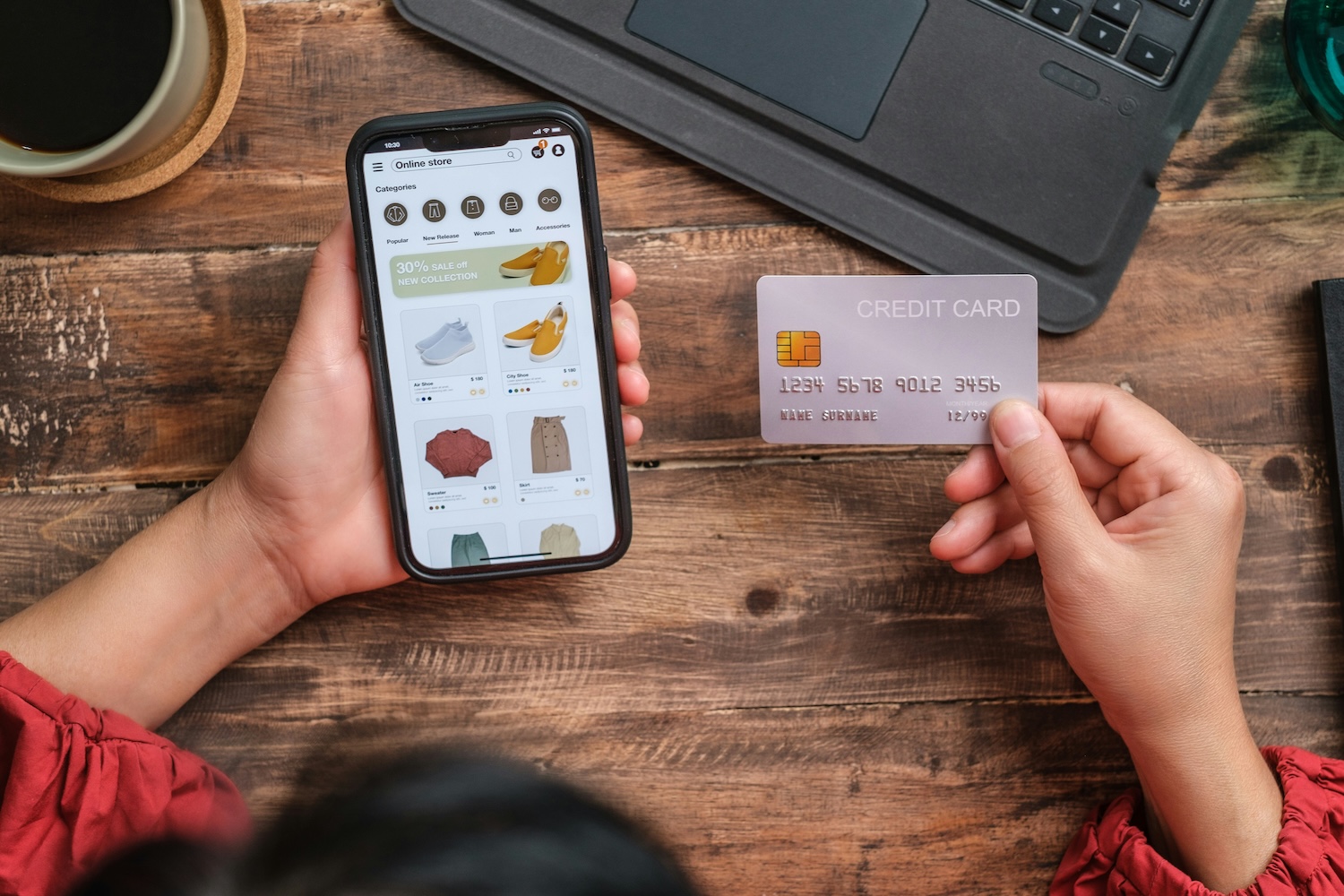
The environmental cost extends beyond the parcel. Fast fashion is built around frequent new collections, low prices and rapidly changing trends. Online platforms can accelerate that cycle by making new styles easy to discover and purchase, while social media encourages consumers to refresh their wardrobes to keep up.
When clothing is bought cheaply and worn only a handful of times, the resources used to produce it are spread across fewer wears. Unsold stock, unwanted garments and textile waste add further pressure. Synthetic fabrics can also release microplastics during washing, while manufacturing and transport contribute to a product’s overall environmental footprint.
Consumers are not solely responsible for these outcomes. Product quality, pricing, advertising and business models shape purchasing decisions. Retailers can help by designing more durable garments, offering repair or resale options, providing reliable product information and avoiding promotions that reward excessive buying.
Buying fewer, better-used items can reduce waste, but meaningful progress also depends on businesses making longer-lasting products accessible and attractive.
The human cost of cheap clothing
Low prices can conceal difficult working conditions further along the supply chain. Garment production is labour-intensive, and workers in some manufacturing regions face low pay, excessive hours, unsafe workplaces or limited ability to challenge employers.
Child labour is another serious concern, although it is important not to assume that every low-cost brand or supplier uses it. In 2025, Shein disclosed to UK MPs that it had identified two child-labour cases among its suppliers during 2024. The company said it had ended relationships with the suppliers concerned. The disclosure highlights why supply-chain oversight matters, but it should not be treated as evidence that all fast-fashion retailers have the same practices.
Retailers need more than reassuring statements about ethical sourcing. Effective due diligence means understanding who makes products, assessing working conditions, investigating credible allegations and taking corrective action when standards are breached. Independent checks and transparent reporting can help consumers judge whether commitments are backed by evidence.
Making online retail more responsible
There is no single solution to the costs associated with e-commerce. Retailers can reduce unnecessary packaging, improve product durability, offer responsible returns policies and examine the labour standards of suppliers. Consumers can plan purchases, avoid buying solely to qualify for discounts, reuse packaging where appropriate and consider second-hand alternatives.
People may also find themselves using shopping to cope with distress or other difficulties. Where spending becomes persistently difficult to control, appropriate professional support may be helpful; private rehabs UK services should be assessed carefully for relevant expertise rather than assumed to offer specialist treatment for compulsive buying.
Online shopping is not inherently wasteful, nor is convenience something consumers should have to surrender. Its future depends on balancing ease of access with responsible production, honest supply chains and a more considered approach to consumption. The best retail experience should deliver what customers need without leaving an unnecessary environmental or human cost behind.