


Retail logistics teams must explain the cost of service while keeping orders moving. A delivery subsidy comes out of margin; fulfilling online orders from stores uses space and staff time.
Those decisions are harder to defend when part of the transport bill has been accepted because checking it would take too long. Retailers that judge those services on unverified delivery costs risk making the wrong economies; a higher delivery fee or a more restrictive free-shipping threshold may compensate for an expense that should have been questioned in the first place.
For a logistics manager responsible for freight costs across several carriers, approval can mean collecting information from several colleagues: usually finance receives the invoice, procurement has the rate agreement, and the dispatch team can explain what was actually sent. The manager needs those records together before making a recommendation about a store’s delivery costs.
In nShift customer research in 2026, covering businesses across several sectors, roughly three in four companies audited freight invoices manually or not at all.
Checking a small charge can cost more in staff time than the amount under dispute. Retrieving the agreement and matching the charge to the shipment take time, with a payment deadline limiting how much is available. That’s why absorbing the discrepancy can become an understandable compromise, repeated as successive invoices arrive.
And before long, recurring small fees can add up to a claim worth pursuing.
When a delivery charge changes the retail offer
Part of the difficulty is that a carrier invoice arrives with no purchase order behind it. The three-way match finance runs on merchandise, purchase order against goods receipt against invoice, does not exist for freight. The bill can only be judged against the rate agreement and the record of what was actually shipped. And checking a rate against the contract still leaves the billed weight and service open to question; those checks require the shipment record. Cancellation charges also depend on the terms of the agreement, so an unused booking needs investigation before anyone assumes a refund is due.
Packing a homeware order in a larger box can legitimately increase its cost under a tariff that accounts for the space it occupies. Oversized packaging is also becoming a regulatory question: the EU’s Packaging and Packaging Waste Regulation, which applies from August 2026, obliges businesses to minimise packaging, and a cap on empty parcel space follows in 2030. Repeated charges of that kind might justify changing the packaging available in a store’s dispatch area anyway. Incorrect dimensions on the invoice still need to be challenged with evidence of the parcel’s actual size. Dispatch costs may also reflect a decision to split orders across locations to fulfil a basket, and that can be worth doing for a sale the retailer would otherwise lose. But the cost review needs to distinguish such choices from billing errors before management decides that a store is too expensive to ship from.
Retailers already make considered decisions about the space and labour devoted to customer service, including collection counters and staff helping with online orders. When assessing the associated transport expense, accepting the invoiced amount by default leaves the store team explaining costs it may have had no part in creating.
Make shipment records available to the invoice reviewer
nShift and its predecessor businesses have supported shipment booking and delivery records since 1997; that experience includes the unglamorous work of making information from different carriers usable together. The same event can arrive in different formats; service descriptions and shipment references must be understood in the context of the carrier concerned.
For a retailer shipping through nShift, the resulting record can identify the service booked and the parcel details, followed by events recording its progress. Finance can use those records to investigate a charge, while a delivery confirmation used to update a customer can also help establish whether the billed service was fulfilled.
nShift Audit, AI-powered carrier invoice audit and recovery software, structures incoming invoice data. Fixed checks then compare the charges with the retailer’s tariff and shipment record; a person validates the first invoice in a new format, and reviewers decide which discrepancies to dispute. The software then assembles the supporting evidence and keeps the dispute correspondence available for follow-up. Reviewers can pursue discrepancies while clearing the invoice for payment under the company’s approval process. At the same time, finance still executes the payment, so there isn’t a gap in service from the whole invoice being held.
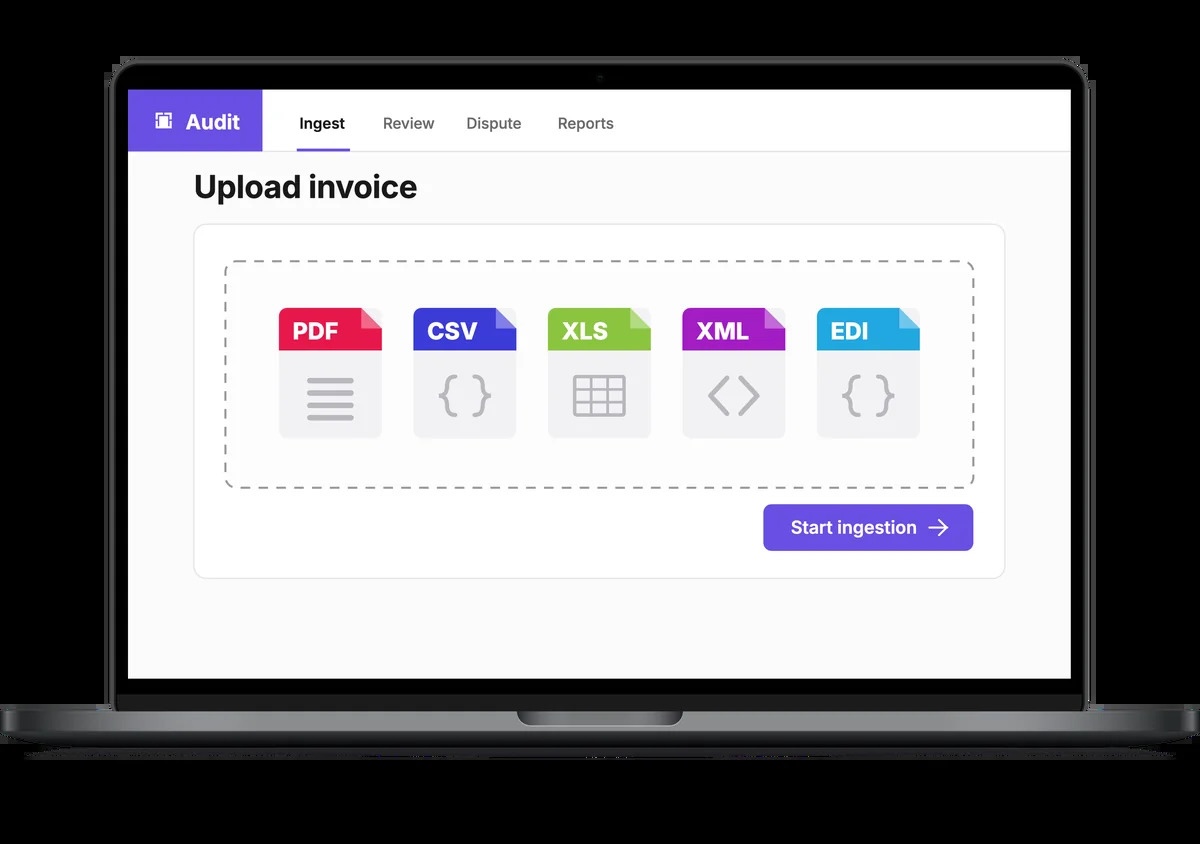
The checks are only as good as the records behind them.
Audit needs the retailer’s shipment data and agreed rates in place before prices can be verified, and the person checking the bill needs the terms that applied when each parcel was sent, including the version in force before the last rate change. A discrepancy still needs its cause established before a correction is requested. Sometimes that will mean correcting the retailer’s own data, an outdated parcel weight for instance.
Retailers can assess this use of AI against the charges corrected and the time spent reviewing them. A received credit, reconciled against the original charge, establishes the amount recovered. Any open claim remains separate in the cost report, with someone responsible for the next follow-up. Subsequent invoices show whether the same error has been repeated, which is useful because any recurring errors may give procurement a specific issue to resolve with the carrier.
Before changing a delivery offer for peak season, I would want the logistics manager to bring a reconciled period of carrier billing to the commercial review, with the share of the bill checked made explicit. The team deciding what customers will pay should be able to distinguish the cost of the service from an amount still being disputed. Store operations should know whether repeated extras arose from packing decisions or from the carrier’s application of the agreement.
A historical sample can be checked manually against the invoices, rates and shipment records, following nShift’s freight invoice audit guide. Automated matching in Audit starts with shipments from enablement onward; we recommend you prepare that data connection before peak season dispatches begin, if those invoices are to be checked automatically.
Retailers may still choose to subsidise an expensive service because it helps retain customers or sell stock from across its stores. We recommend they make that choice with a checked cost history, and revisit it when the invoices from peak season trading are available.
About the author
Gary Carlile is EVP, Customer Growth at nShift, a delivery and experience management software company. He has 30 years of experience in logistics and ecommerce fulfilment, including carrier management and consumer-goods distribution, and has held international leadership roles at Consignor and nShift for a decade.