



In busy industrial and commercial environments, efficiency in labelling processes can have a direct impact on productivity, accuracy, and overall workflow. Many businesses in manufacturing, warehousing, retail distribution, and packaging operations rely on fast and reliable labelling systems to keep production moving smoothly. One of the most effective yet often overlooked tools in this process is the manual label dispenser.
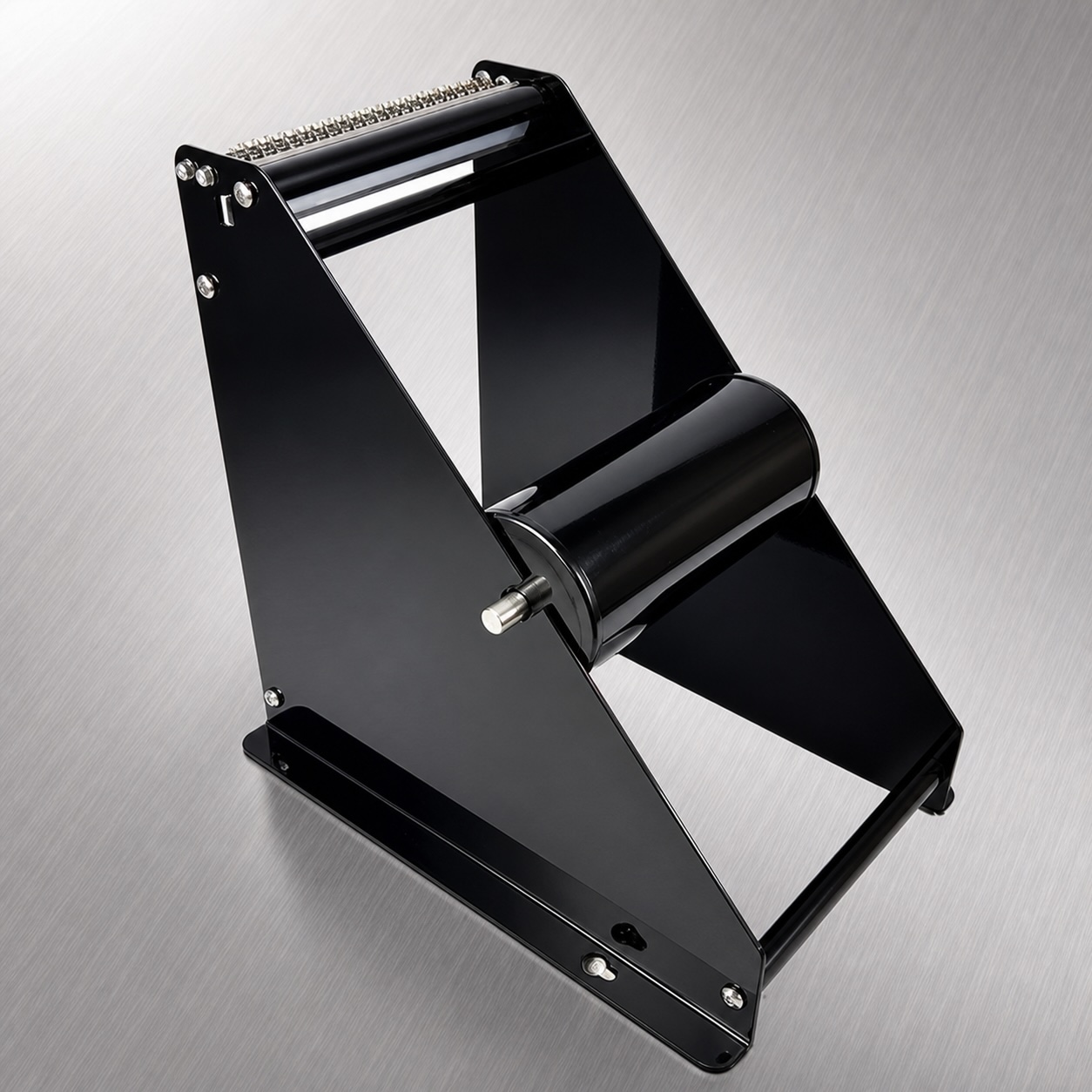
A manual label dispenser is widely used across production lines and warehouse environments as a simple but highly effective labelling tool. It is designed to present adhesive labels in a clean, organised way, allowing operators to apply them quickly without wasting time peeling or handling labels individually. This makes it an ideal solution for businesses looking for a cost-effective labelling solution for production lines and high- volume packaging environments.
What Is a Manual Label Dispenser Used For?
A manual label dispenser is used to streamline the process of applying product labels, barcode labels, pricing stickers, and shipping information in a controlled and efficient way. Instead of manually removing each label from a backing sheet, the dispenser automatically presents each label in sequence.
This makes it particularly useful in environments where businesses need to speed up labelling in warehouse operations or improve consistency in packaging workflows. It is commonly used for product identification, inventory management, dispatch labelling, and retail pricing applications.
For many companies, Price Gun Land consider it to be an essential label application tool for production environments where you need accuracy and speed as equally as each other.
Improving Labelling Efficiency in Warehouse and Production Lines
One of the main benefits of using a manual label dispenser in production is the improvement in labelling efficiency in warehouse and manufacturing settings. In fast-moving environments, even small delays in repetitive tasks can reduce output over time.
Without a dispenser, workers often spend unnecessary time peeling labels, correcting misalignment, or handling adhesive labels that stick together. A manual label dispenser eliminates these inefficiencies by ensuring each label is ready for immediate application.
This allows staff to maintain a consistent workflow, which significantly improves production line labelling speed. Over time, this contributes to higher output levels without increasing labour costs.
Enhancing Accuracy in Product Labelling
Accuracy is critical in product labelling processes, especially in industries where barcode scanning, traceability, and inventory control are essential. Incorrectly applied or damaged labels can lead to stock errors, scanning failures, and logistical delays.
A manual label dispenser for production lines helps reduce these risks by ensuring each label is dispensed cleanly and consistently. This improves the accuracy of label placement and reduces the likelihood of human error during application.
Consistent labelling is also important for businesses that require professional presentation standards, particularly in retail and e-commerce packaging environments.
Reducing Waste and Improving Cost Efficiency
Label waste is a common issue in manual labelling environments, particularly where operators handle labels individually. Misapplied or damaged labels can quickly increase operational costs over time.
By using an industrial label dispenser, businesses can significantly reduce label waste and improve material efficiency. The controlled dispensing system ensures labels are separated cleanly from backing paper, reducing tearing, misalignment, or accidental damage.
This makes it a cost-effective labelling solution for warehouses, production facilities, and packaging operations that handle large volumes of goods.
Faster Training and Easier Staff Adoption
In many production environments, staff turnover or seasonal labour increases the need for simple, easy-to-use equipment. A manual label dispenser is ideal in this situation because it requires minimal training.
Most operators can learn how to use a label dispenser for packaging operations within minutes. This reduces onboarding time and ensures that productivity remains consistent even when new staff are introduced.
The simplicity of the tool also reduces operational errors, which is particularly important in high-volume labelling environments.
Improved Ergonomics and Reduced Operator Fatigue
Repetitive manual labelling without proper tools can lead to unnecessary strain on workers, particularly during long shifts. Constant peeling and handling of adhesive labels can cause discomfort and reduce efficiency over time.
A manual label applicator tool reduces this strain by presenting each label in an accessible format, allowing for smoother and faster application. This improves workplace ergonomics and helps reduce fatigue in production line environments.
In the long term, this can contribute to improved staff wellbeing and more consistent productivity across shifts.
Ideal for High-Volume Labelling Operations
For businesses that require high-speed labelling in warehouse or manufacturing environments, a manual label dispenser provides a practical solution that supports continuous output.
Even small improvements in labelling speed can have a significant impact when scaled across thousands of products per day. This makes it particularly valuable for businesses looking to improve packaging efficiency without investing in expensive automated systems.
Many growing companies choose manual dispensers as a stepping stone before moving to fully automated labelling machinery.
Supporting Quality Control and Compliance
Quality control processes often rely on accurate and consistent labelling, particularly in regulated industries such as food production, pharmaceuticals, and logistics.
A manual label dispenser helps ensure that batch numbers, expiry dates, and product codes are applied correctly. This reduces the risk of compliance issues and supports better traceability throughout the supply chain.
For businesses operating in regulated environments, this makes it a reliable and practical labelling solution for production and quality assurance teams.
Versatility Across Multiple Industries
One of the key advantages of manual label dispensers is their versatility. They are used in manufacturing plants, warehouse distribution centres, retail packaging departments, and logistics operations.
Whether used for barcode labelling, shipping labels, product pricing, or inventory management, the same tool can support multiple applications. This makes it a valuable investment for businesses that require flexible labelling equipment across different departments.
A Cost-Effective Alternative to Automated Labelling Systems
While automated labelling machines offer high-speed performance, they often require significant investment, maintenance, and setup costs. For many small to medium-sized businesses, this is not always practical.
A manual label dispenser provides a cost-effective alternative that delivers many of the same efficiency benefits without the high upfront cost. It is an affordable labelling tool for production lines that helps improve workflow without major capital expenditure.
This balance of cost and performance makes it a popular choice for growing businesses.
Conclusion
A manual label dispenser is a simple yet highly effective tool that plays an important role in improving labelling efficiency in warehouse, production, and packaging environments. By speeding up label application, improving accuracy, reducing waste, and supporting better ergonomics, it helps businesses streamline operations and improve productivity.
For companies looking for a reliable and cost-effective labelling solution for production lines, manual label dispensers offer a practical way to enhance workflow without investing in complex automation. Their versatility, durability, and ease of use make them an essential tool across a wide range of industries.
As demand for faster and more efficient packaging continues to grow, the use of manual label dispensers in production environments is likely to remain a key part of modern labelling operations.