




Retail loss prevention is the combination of people, process, store design and technology a retailer uses to reduce theft, fraud and error, protecting stock, staff and profit margin. Done well, it lowers shrinkage without turning the shop floor into a fortress or spoiling the customer experience.
It has never mattered more. UK retail crime is at record levels, theft has become more brazen and more organised, and violence against shop staff is rising sharply. This guide breaks down what a modern loss prevention strategy looks like, from the layout of the store to the security systems behind it, and where retailers get the best return on their investment.
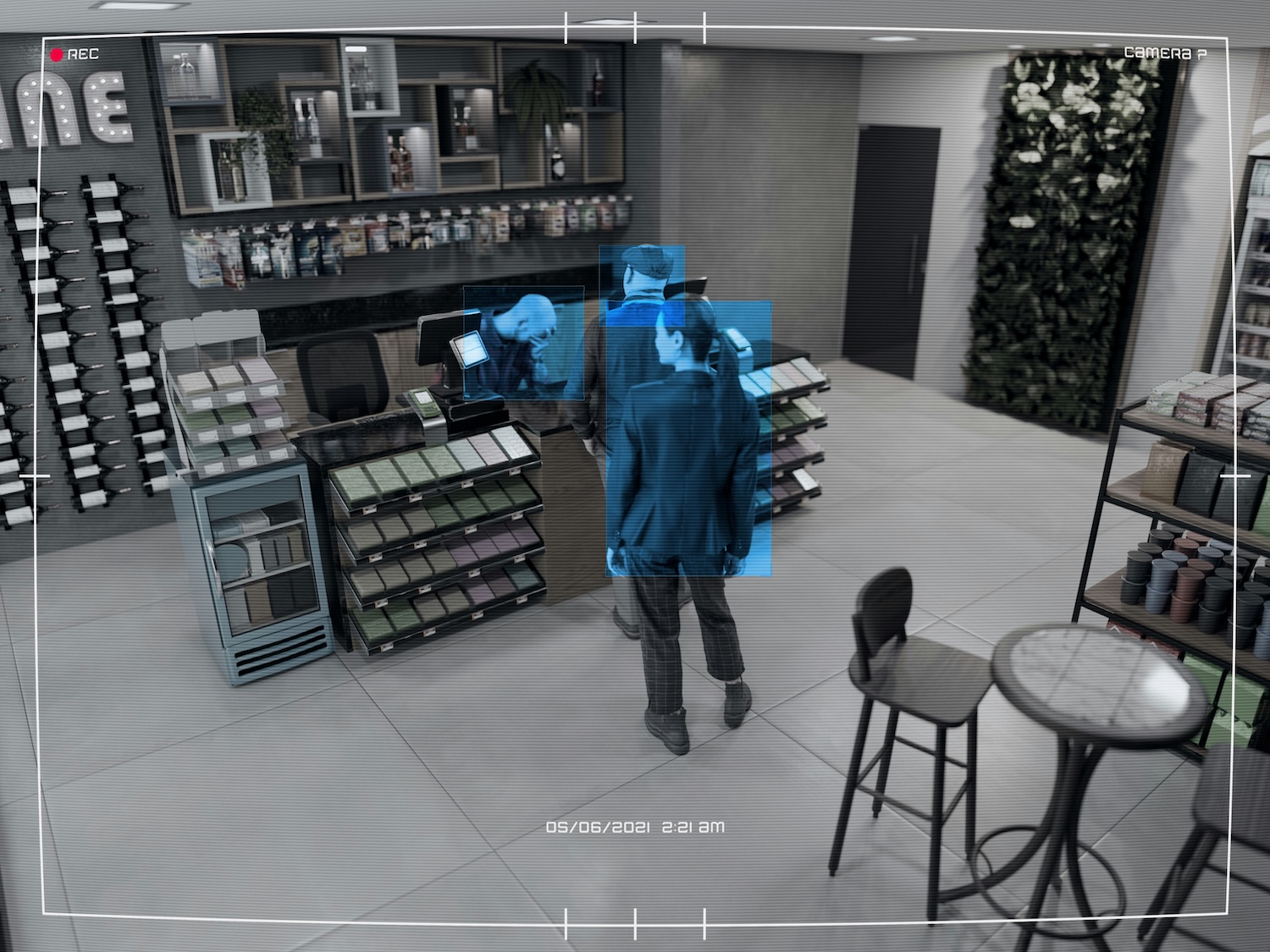
What is retail loss prevention?
Retail loss prevention is the practice of reducing “shrinkage”, the industry term for stock and cash that a business loses to causes other than a sale. Shrinkage comes from three main sources: external theft such as shoplifting, internal theft by staff, and process error such as mispriced goods, delivery discrepancies and admin mistakes.
Effective loss prevention addresses all three. It is not a single product or a security guard on the door; it is a layered approach that combines trained people, clear procedures, considered store design, and the right security technology. The goal is deterrence first, detection second, and recovery third.
Why loss prevention matters more than ever
Retail crime in the UK has reached a scale that no retailer can treat as background noise. According to the British Retail Consortium’s 2025 Crime Survey, the total cost of retail crime, including spending on prevention, now sits at £4.2 billion a year, of which £2.2 billion is lost directly to customer theft. There were over 20 million incidents of theft in a single year, equivalent to around 55,000 every day.
Official figures tell the same story. Police-recorded shoplifting in England and Wales rose 20% to 530,643 offences in the year to March 2025, the highest level since current recording began in 2003. The same figures show robbery of business property up 50% in a year. Here is how the picture breaks down.
| Measure | Latest figure |
|---|---|
| Total cost of retail crime (including prevention) | £4.2 billion a year |
| Losses from customer theft | £2.2 billion a year |
| Retailer spend on crime prevention | £1.8 billion a year |
| Incidents of theft | 20 million+ a year (around 55,000 a day) |
| Incidents of violence and abuse against staff | 2,000+ a day |
| Police-recorded shoplifting (year to March 2025) | 530,643 offences, up 20% |
Figures from the BRC 2025 Crime Survey and ONS police-recorded crime. Behind the numbers sits a shift retailers describe daily: theft is increasingly organised, offenders are bolder, and confrontation now escalates to abuse or violence far more quickly than it once did.
The layers of an effective loss prevention strategy
Strong loss prevention works in layers, because no single measure stops a determined thief on its own. A camera records, but does not intervene. A member of staff can greet and deter, but cannot watch every aisle. The layers reinforce each other.
The four layers most retailers should think through are people (trained, alert, well-supported staff), process (stock control, cash handling, delivery checks), design (a store laid out to reduce opportunity), and technology (the CCTV, alarms and access control that detect and deter). The sections below focus on the two layers retailers most often get wrong: design and technology.
Designing out crime: layout and visibility
Store design is the most under-used loss prevention tool, and it is where retailers can make the biggest difference before spending a penny on equipment. The principle is simple: reduce the opportunity to steal and the incentive to try.
Clear sightlines are the foundation. Low fixtures, open aisles and a serving position that overlooks the floor mean staff can see what is happening, and would-be thieves know it. Keep high-value, easily concealed items near the till or in secured displays. Use lighting to remove dark corners and blind spots. Position the entrance and exit so that leaving without passing staff feels conspicuous rather than easy.
None of this needs to compromise the look of the space. The best stores fold security into the design so it never reads as defensive. As the industry rethinks what a well-designed physical store should deliver, protecting stock and staff is part of the same conversation as flow, comfort and brand feel. A store that is pleasant to shop in and hard to steal from is not a contradiction; it is good design.
Technology: CCTV, alarms and access control
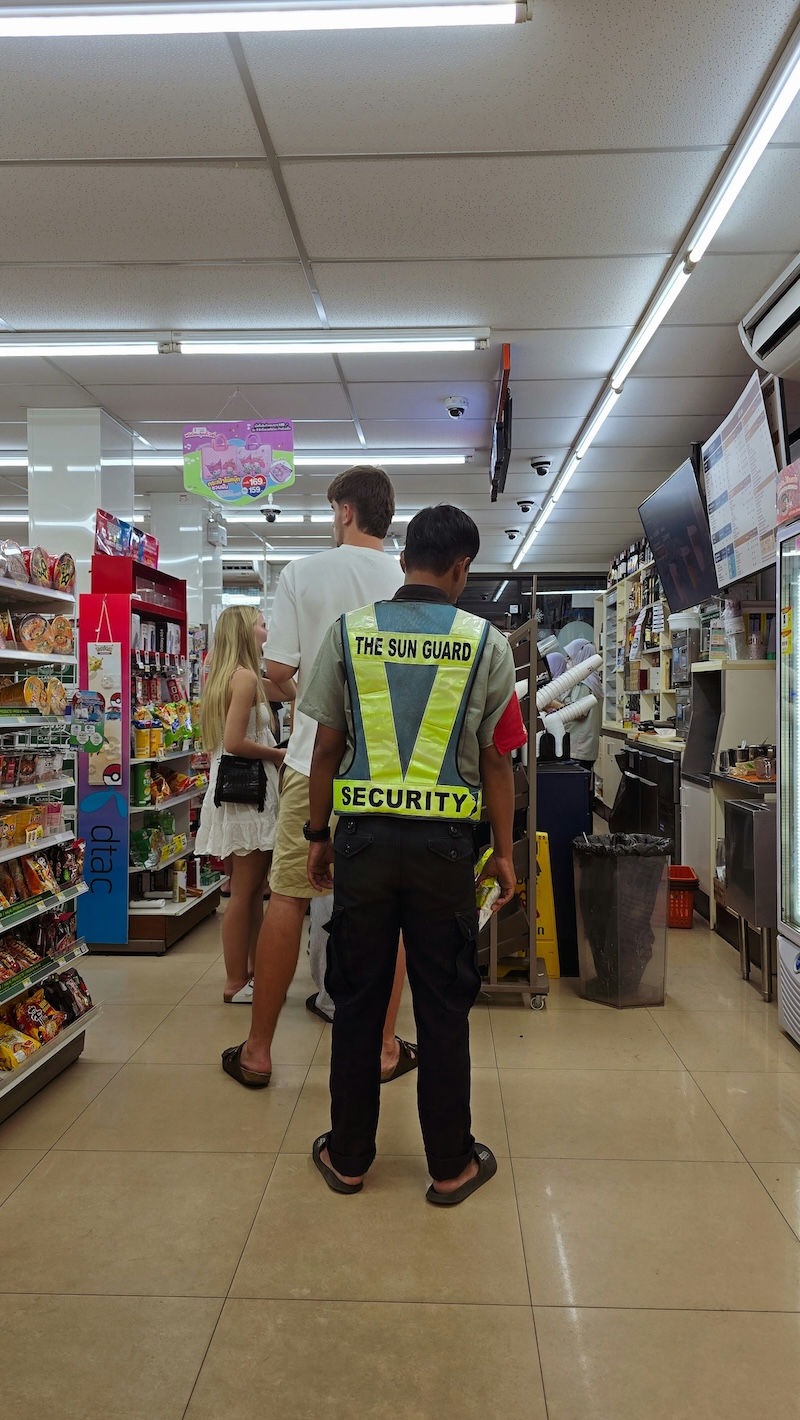
Once the layout is right, technology is what detects, deters and provides evidence. For any retailer holding stock of value, a professional business security system installation is the layer that ties the others together, combining CCTV, intruder alarms, access control and monitoring into a system designed around the specific premises.
Each component does a distinct job. CCTV deters casual theft, monitors the shop floor and till points, and provides the footage that turns an incident into a prosecution. Intruder alarms protect the premises out of hours and connect to a monitoring centre that can trigger a response. Access control keeps stockrooms, offices and back-of-house areas restricted to the right people, and records who went where. Increasingly, retailers are pairing cameras with analytics, part of the broader role of AI in retail, to flag unusual activity at the point it happens rather than after the event.
The difference between a professionally installed commercial system and an off-the-shelf kit is specification, standards and response. A system installed to recognised standards, monitored around the clock, and maintained on a schedule is the one that satisfies insurers and works when it is needed. That distinction matters most at the moment an incident actually occurs.
Protecting staff, not just stock
Loss prevention is often framed around margin, but the sharpest change in UK retail crime is human. Incidents of violence and abuse against shop workers now run at over 2,000 a day, the highest the BRC has ever recorded, and the trigger is frequently a member of staff confronting a thief.
That has real implications for how retailers design their approach. Staff should be trained to observe and report rather than physically intervene. Panic alarms, well-placed cameras, and a clear escalation route to a monitoring centre protect people as well as products. A loss prevention plan that reduces theft but leaves staff exposed has missed half the point.
A retail loss prevention checklist
Use this as a starting point to assess where your store stands.
- Staff are trained to spot, deter and safely report theft, not confront it
- High-value and easily concealed stock is secured or positioned near staff
- Sightlines across the shop floor are clear, with no unlit blind spots
- Stock control and cash handling procedures are documented and followed
- CCTV covers entrances, exits, till points and high-risk aisles
- An intruder alarm protects the premises out of hours and is monitored
- Access control restricts stockrooms and back-of-house areas
- Security systems are professionally installed, certificated and maintained
- Staff have a panic alarm and a clear escalation route in an incident
- Every incident is reported to the police to build the local crime picture
Frequently asked questions
What is shrinkage in retail?
Shrinkage is the loss of stock or cash from causes other than a sale. It covers external theft such as shoplifting, internal theft by staff, and administrative or process error such as mispricing and delivery discrepancies. Loss prevention aims to reduce all three.
How much does retail crime cost UK retailers?
The British Retail Consortium puts the total cost of retail crime, including money spent on prevention, at £4.2 billion a year, with £2.2 billion lost directly to customer theft. Retailers now spend around £1.8 billion a year on crime prevention alone.
How can a small shop prevent shoplifting?
Start with design and people, which cost little: clear sightlines, high-value stock near the till, good lighting, and attentive staff who greet customers. Add professionally installed CCTV and a monitored alarm as the budget allows. Layered basics deter far more theft than any single measure.
Does CCTV actually deter shoplifters?
Visible CCTV deters opportunistic theft and is one reason shoplifting has a higher charge rate than other theft offences, because footage supports identification and prosecution. It is most effective as part of a layered system rather than on its own.
The bottom line
Retail loss prevention is not about turning a shop into a bunker. It is about removing opportunity through good design, supporting staff with training and clear procedures, and backing both with security technology that detects, deters and protects. With crime at record highs and staff increasingly in the firing line, the retailers who treat loss prevention as part of good store design, rather than an afterthought, are the ones who protect their margin and their people at the same time.