

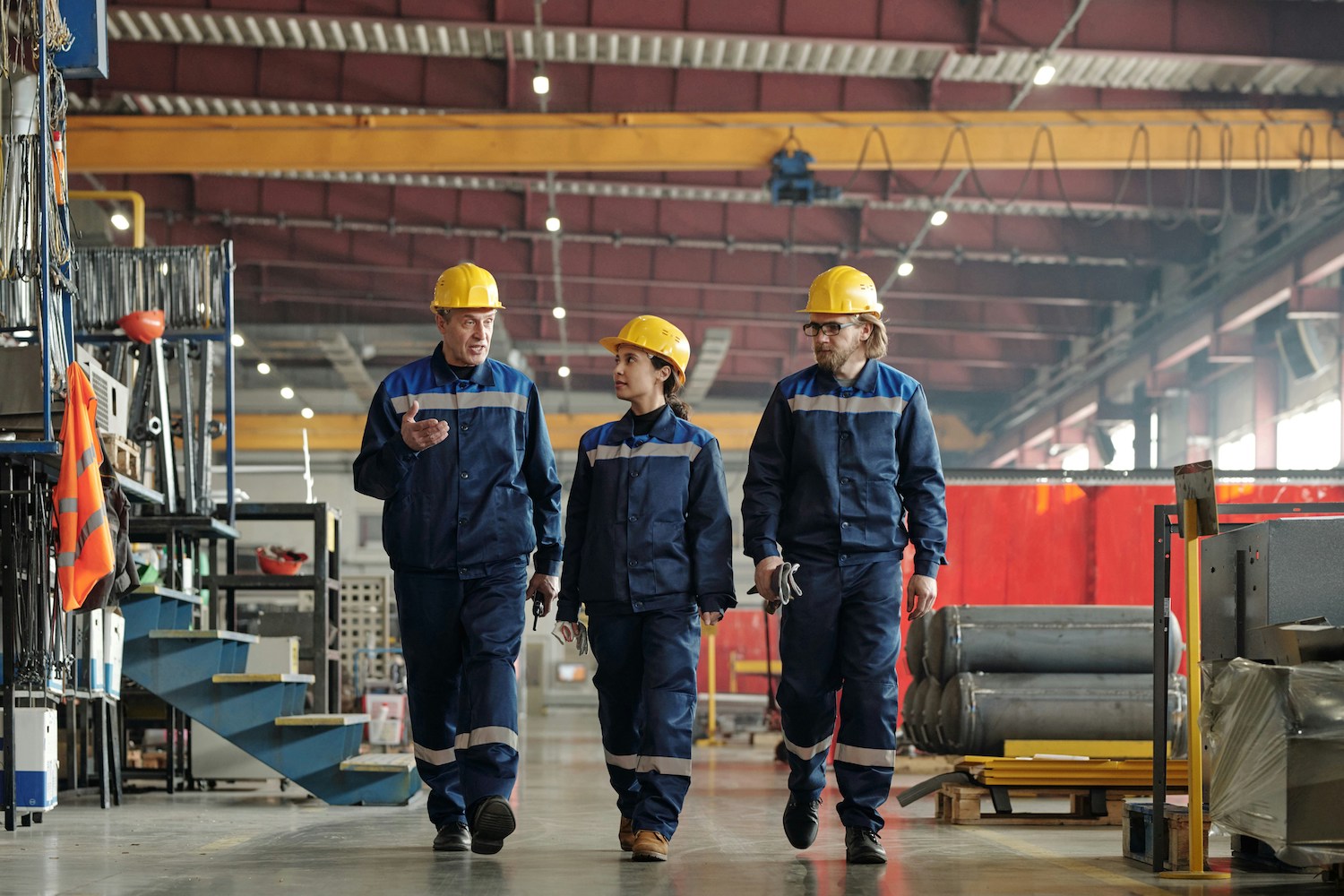

As 2026 approaches, many UK businesses are reassessing how their teams present themselves day to day. Workwear is no longer just a practical layer; it has become a meaningful part of company identity, operational efficiency and safety standards.
With shifting customer expectations and renewed focus on employee experience, updating a work uniform is now seen as a strategic step rather than an occasional chore. This shift is being driven by several factors.

Why 2026 Is the Year Many Businesses Are Rethinking Their Uniforms
Garment technology has improved noticeably, with stronger fabrics, better colour retention and more sustainable production methods becoming widely available. At the same time, companies are looking more closely at durability and long-term value rather than simply replacing items on an ad-hoc basis. Faster uniform turnaround has also become a priority, with teams expecting quicker access to their everyday essentials.
As industries adapt to these changes, many trades and service-led businesses are reviewing the brands they rely on. There is renewed interest in long-standing, dependable workwear ranges, which many businesses continue to adopt for consistent quality and reliable wear.
Why the Start of a New Year Drives Uniform Updates
The period between January and March is traditionally one of review and reset for small businesses, trades and customer-facing teams. It is a time when many organisations evaluate what has served them well over the previous year and what needs refining to support the year ahead. Workwear naturally falls into this early-year planning cycle.
Winter often highlights areas where uniforms have reached the end of their lifespan. Fading colours, worn seams and reduced weather protection become more noticeable once the colder months are in full force. As a result, many companies treat the new year as a practical opportunity to refresh key items and begin again with a consistent baseline.
A well-planned work uniform can support staff confidence and brand presentation, particularly for customer-facing roles. It also helps reinforce professionalism and a sense of belonging, which is increasingly important as industries navigate ongoing labour shortages and recruitment challenges.
Businesses are also making more use of profession-specific shopping tools, selecting garments that are genuinely suited to each role rather than relying on generic options. This is especially relevant for trades, where reliability, safety compliance and everyday comfort remain essential.
2026 Workwear Innovations Businesses Should Know
Garment technology has progressed significantly in recent years, and 2026 will showcase noticeable improvements in durability, breathability and sustainability. These innovations are influencing how businesses select new uniforms and which ranges they trust.
One of the most meaningful developments is the wider availability of moisture-wicking and temperature-regulating fabrics. These enhance comfort for workers who move between indoor and outdoor environments. Reinforced stitching and improved colourfast dyes also contribute to longer-lasting garments, an important factor for companies looking to reduce replacement cycles.
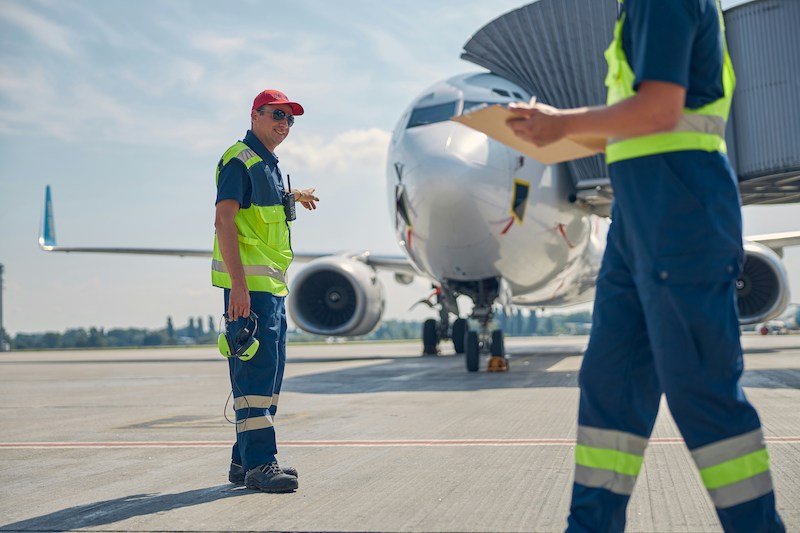
Safety-led items continue to evolve too. The growth of high-visibility and PPE garments that meet updated guidance reflects an industry-wide commitment to compliance. Businesses looking for clarity on safety standards frequently refer to Health and Safety Executive guidance.
Many of the UK’s trusted workwear brands are incorporating these innovations into their ranges. Long-established names such as Portwest, Mascot, Russell and Helly Hansen continue to develop garments that meet modern performance expectations, from durability to comfort in changing weather conditions. For many professionals, the Uneek workwear collection is also a dependable go-to for everyday trade garments because of its predictable durability and consistent fit across items.
Sustainability also plays a growing role in 2026 workwear innovation. Companies are increasingly aware of the environmental impact of frequent uniform replacement and are considering garments that maintain performance over longer periods. This includes responsibly sourced cotton, recycled polyester and improved production efficiency.
Personalised Workwear and Its Role in a 2026 Refresh
Personalisation has moved from an optional extra to a widely used standard. Embroidered and printed workwear now plays a central role in brand identity, especially for businesses that rely on in-person customer contact. Clear identification supports professionalism and trust, while helping teams feel part of a cohesive group.
As more industries adopt personalised workwear, the technology behind embroidery and print continues to improve. Modern methods ensure clearer detailing, stronger colour reproduction and better durability through repeated washing. This is especially helpful for items such as polos, hoodies and softshell jackets, which are often worn daily.
In local and regional markets where competition between service providers is strong, personalised workwear has become a quiet differentiator. It signals reliability to customers while supporting internal consistency. For businesses undergoing a uniform refresh in 2026, personalisation is no longer an afterthought, it’s a key part of the planning process.
Rebuilding Workwear Efficiently and the Rise of Workwear Bundles
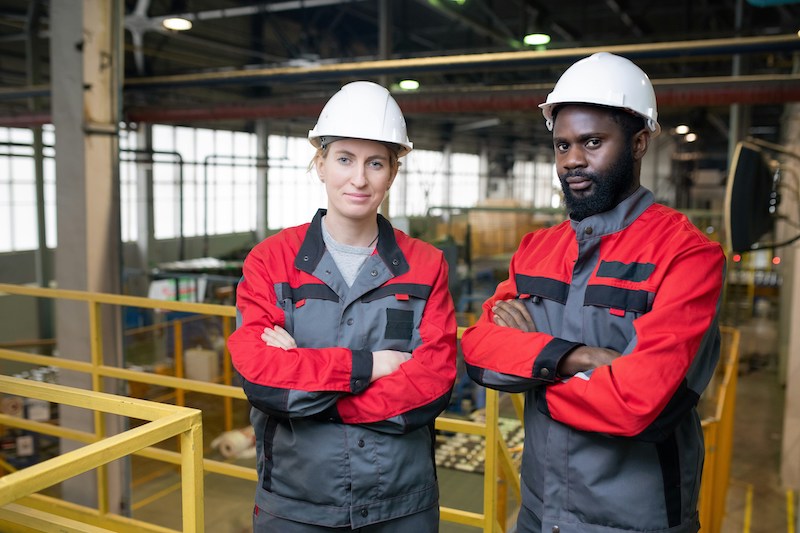
Workwear bundles have become a preferred option for many small and medium-sized businesses due to their practicality and cost predictability. Rather than selecting garments individually, businesses can choose a curated set that ensures consistency across teams while simplifying procurement.
For companies onboarding groups of staff, bundles allow for a smoother rollout. Teams receive coordinated items, easing both training and day-to-day operations. Bundles also make budgeting more manageable, especially for contractors and start-ups seeking reliable garments without administrative time spent on complex ordering.
In recent years, quick-turnaround services have influenced how businesses purchase these bundles. Fast dispatch has become an important differentiator, helping prevent delays in new starter onboarding or project mobilisation. As expectations rise, suppliers offering fast and lightning-fast delivery options are better positioned to support businesses working to tight schedules.
How to Plan a 2026 Uniform Refresh
Planning a uniform refresh begins with taking stock of what is currently in use. Businesses benefit from identifying garments that show visible wear, faded colouring or inconsistencies in branding placement. This helps determine whether the update should be incremental or a complete reset.
Next, companies should evaluate the specific needs of each role within the organisation. Outdoor teams may require thermal layers and weather-ready jackets, while indoor or customer-facing staff might prioritise comfort and appearance. This role-led approach ensures the work uniform remains functional and aligned with daily tasks.
Creating a uniform checklist can be especially helpful. This might include durability requirements, safety considerations, logo application preferences, weather suitability and the number of garments required per team member. Factoring in long-term wear is essential when choosing new items, particularly for teams working in demanding environments.
When comparing garments for long-term performance, many companies look toward established trade brands such as Portwest, Mascot, Russell and Helly Hansen for guidance on what reliable construction and consistent sizing should look like. Exploring reputable ranges like Uneek clothing can also provide a strong baseline for dependable, everyday uniform quality.
Preparing Teams for the Year Ahead
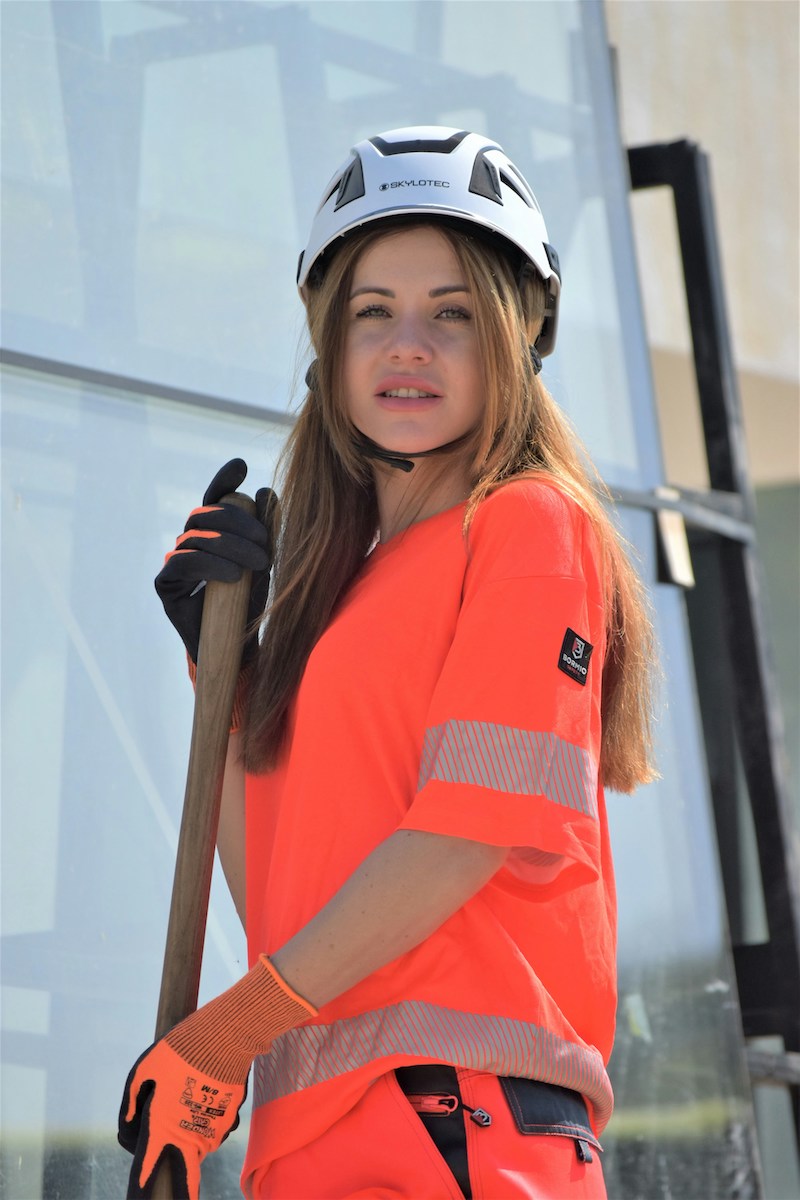
Refreshing a work uniform for 2026 is a practical and forward-focused decision. It helps businesses improve team presentation, meet safety standards and introduce garments that offer stronger performance over time. With innovations in durability, personalisation and sustainability shaping what workwear now offers, companies have more informed choices than ever.
As expectations rise across UK industries, planning early allows teams to access reliable, comfortable garments that support their daily work. A well-timed uniform refresh ensures businesses begin 2026 with clarity, consistency and confidence in the workwear their teams rely on.