


The announcement that M&S (Marks & Spencer) has retained its crown as the UK’s strongest brand in the YouGov Best Brand Rankings 2026 is more than just a win for the retailer; it is a masterclass in brand resilience. M&S has now maintained an uninterrupted reign as the UK’s healthiest brand since 2022, and they are comfortably ahead of the second place brand on the list, IKEA.
Resilience in the face of crisis
However, this year’s top spot is particularly remarkable. Just months ago, M&S was navigating a crippling ransomware attack that took its fashion and home operations offline for weeks. The breach resulted in approximately a £300 million hit to profits and wiped £750 million off its market valuation.
In any other scenario, a seven-week ecommerce blackout coupled with a data breach would have toppled a brand. Customers would have voted with their fingers and trust metrics would have plummeted. Instead, M&S thrived. By Q4, online sales were back to normal levels.
We know that healthy brands tend to grow but the M&S story proves that brand equity is your ultimate insurance policy when something goes wrong.
Long-term strategy and modernisation
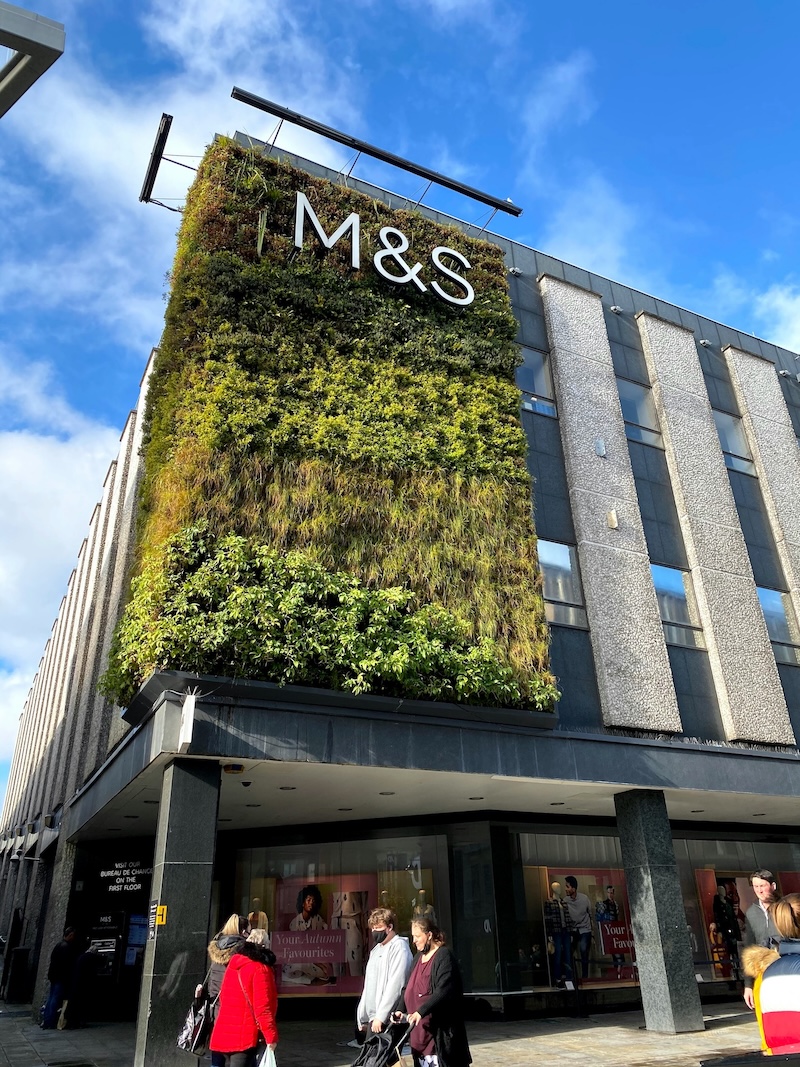
M&S’s ability to bounce back wasn’t a stroke of luck; it was the result of a deliberate, long-term marketing strategy. The organisation has been through a period of change, modernising stores, improving its style credentials and broadening its appeal, whilst keeping the quality and service credentials it’s been so loved for.
When it comes to advertising campaigns, in recent years M&S has moved away from multiple, seasonal ATL (Above-The-Line) bursts, to an always-on strategy (though not foregoing their important Christmas campaign, of course). They have diversified media, now spending approximately a third of their budget on digital channels, with online video being allocated as much budget as linear TV, ensuring they build mental availability with younger audiences.
For 20 years, M&S has lived up to its promise of sustainability, ethical sourcing and quality. Their vision is to be the most trusted retailer, doing the right thing for their customers and with quality products at the heart. In addition to this, their “Reshaping for Growth” strategy has paid off meaning they were also able to weather the storm financially.
Living the brand through every interaction
So, when the attack occurred, public perception of M&S remained strong. CEO, Stuart Machin’s response was direct, honest, and collaborative. Whilst the website was down, he urged shoppers to head into the physical stores. Once all systems were restored, M&S used their SPARKS loyalty programme to repay customers with exclusive “welcome back” discounts and treats, along with additional discounts for staff and supply chain partners, strengthening its reliability and trust proposition further.
This consistent investment in its brand meant that when the crisis hit, M&S had enough brand equity in place to weather the storm. While satisfaction scores dipped temporarily, quality and reputation scores remained high.
The lesson for any brand is clear: brand health cannot be built overnight. It is the cumulative result of long-term brand-building techniques that boost affinity and loyalty. M&S didn’t just “talk the talk” with advertising; they “walked the walk” by ensuring the reality of their quality service and products matched their marketing promises. They had the healthy financials to weather a temporary storm, but it was their brand equity that ensured the customers were still there when the lights came back on.
Lesser-known brands, or those who have neglected their brand health, may not have been shown the same grace. In 2026, a strong brand is no longer a luxury: it’s your most critical safeguard.

 has retained its crown as the UK’s strongest brand in the YouGov Best Brand Rankings 2026)