


What if choosing the wrong warehouse location is the reason your delivery times slow down and your costs quietly climb? Many businesses jump into expansion only to hit zoning snags, unexpected infrastructure limits, and delays that drain time and money. These setbacks are common, but they’re also avoidable.
In this guide, you’ll learn exactly what to expect when expanding your distribution and logistics operations. From location strategy to regulatory challenges, we break down the essentials so you can plan with clarity, sidestep costly surprises, and build a network that supports long‑term growth.
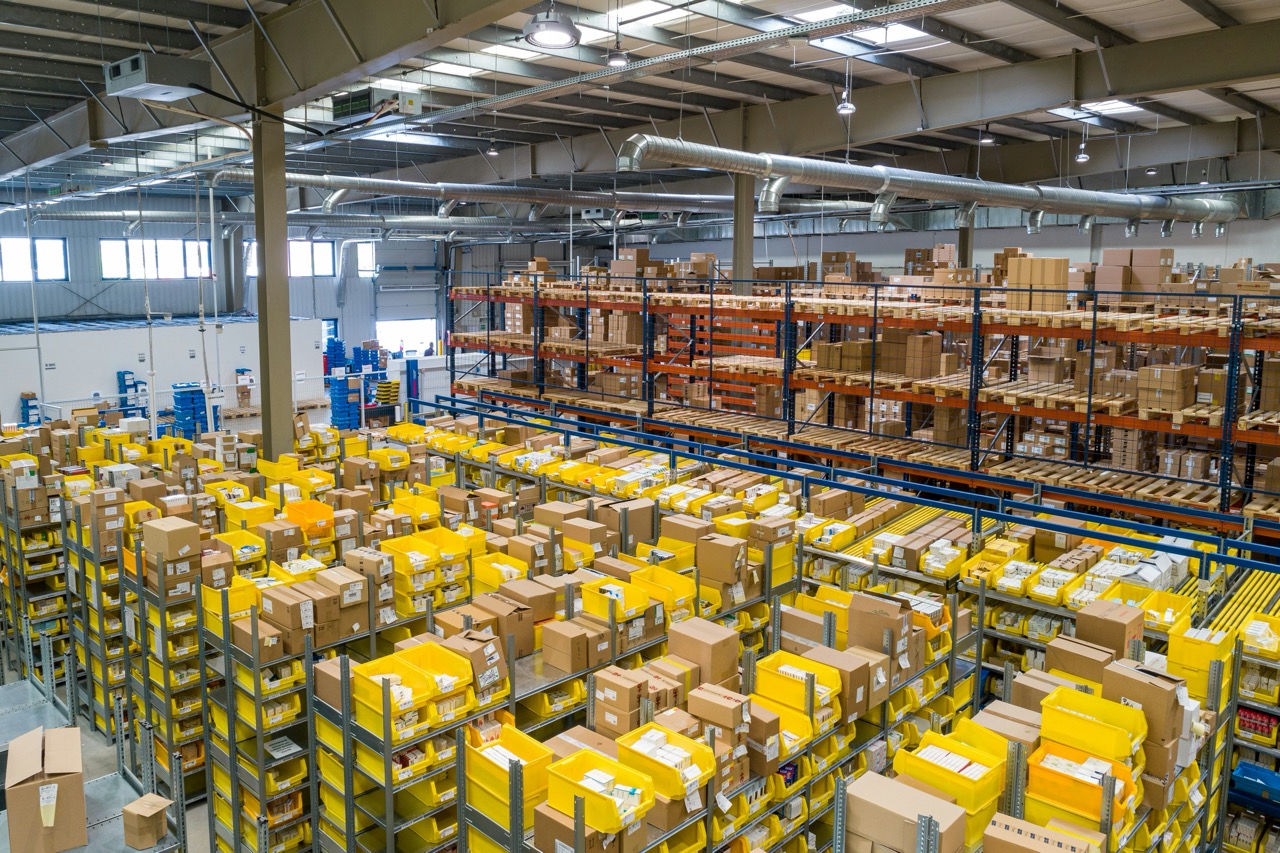
Choosing Strategic Warehouse Locations
Warehouse location is often the single biggest driver of cost and customer satisfaction. Companies want fast delivery times, manageable transportation expenses, and access to a labor pool that can support daily operations. When a business evaluates locations, it usually starts by looking at how the area supports long-term logistics needs.
Before selecting a site, businesses often walk through key considerations. Here are a few things they review:
- Access to major highways
- Proximity to customers
- Local labor availability
A strong location doesn’t just work today. It also helps the company scale, add capacity, and maintain delivery targets as demand increases.
Navigating Urban Regulations and Zoning Requirements
Expanding into highly regulated markets can introduce legal risks that many businesses underestimate. In the United States, and particularly in Washington, D.C., commercial zoning laws, permitting requirements, and land-use restrictions can directly impact how and when a distribution facility becomes operational.
Missteps in these areas can lead to costly delays, compliance violations, or even project shutdowns. Because of this, companies entering D.C.’s commercial property market often require experienced commercial real estate lawyers to manage local commercial real estate regulations effectively and ensure every aspect of the expansion aligns with city-specific requirements.
Evaluating Transportation Access and Infrastructure
Transportation access shapes how efficiently goods move through a distribution network. Even a well-built warehouse won’t perform if the surrounding infrastructure creates bottlenecks. Companies expanding their logistics footprint need to understand whether the area can support large vehicle traffic, regular deliveries, and future growth.
Businesses typically analyze infrastructure before committing to a site. Their assessment often includes:
- Roadway capacity
- Freight congestion patterns
- Planned construction in the region
Good infrastructure lays the groundwork for consistent service and fewer delays. It also helps companies avoid taking on hidden costs caused by traffic or limited freight routes.
Building Supply Chain Efficiency for Long-Term Growth
A strategic location is only part of a successful expansion. Companies also evaluate how a potential site supports inventory flow, seasonality, automation, and overall efficiency. A facility that looks perfect on day one can quickly become a burden if it can’t scale with new equipment, additional storage, or redesigned workflows.
Many organizations now plan ahead by choosing properties that allow flexible racking, modular layouts, and future expansion. This ensures the site supports both immediate needs and long-term distribution goals. When a business can adapt its facility easily, it reduces downtime, improves order speed, and avoids expensive retrofits later.
Leveraging Technology for Smarter Expansion
Technology now plays a major role in how companies plan distribution growth, and it can reveal insights that traditional planning often misses. Digital mapping tools, predictive models, and real-time data platforms help businesses understand demand patterns before committing to a new location. These systems give teams a clearer picture of how a market will perform over time.
Automation tools also allow companies to test potential workflows before construction begins. Simulations help teams evaluate inventory movement, staffing levels, and equipment needs so facilities can be designed to support long-term goals without relying on guesswork.
Making Confident Decisions About Distribution Expansion
When businesses understand the factors that shape strong distribution and logistics operations, expansion becomes far more strategic and far less stressful. Clear insight into regulations, infrastructure, technology, and long-term planning gives companies the confidence to move forward without second-guessing every decision.
If you’re preparing for growth or exploring new markets, now is the perfect time to dig deeper into the tools and strategies that support smarter expansion. Feel free to check out more of our guides and keep building a network that can scale with your goals.