



Retail marketing works best when customers remember the store after they leave. Price promotions may drive an immediate purchase, but lasting recall depends on repeated visual cues, distinctive brand assets, consistent messaging, and memorable physical experiences.
For retail marketing teams, the objective is to create recognisable touchpoints throughout the customer journey. Retail Focus notes that signage, visual merchandising, layout, and staff presentation all contribute to how shoppers interpret and remember a retail environment.
Make the Storefront a Memory Trigger
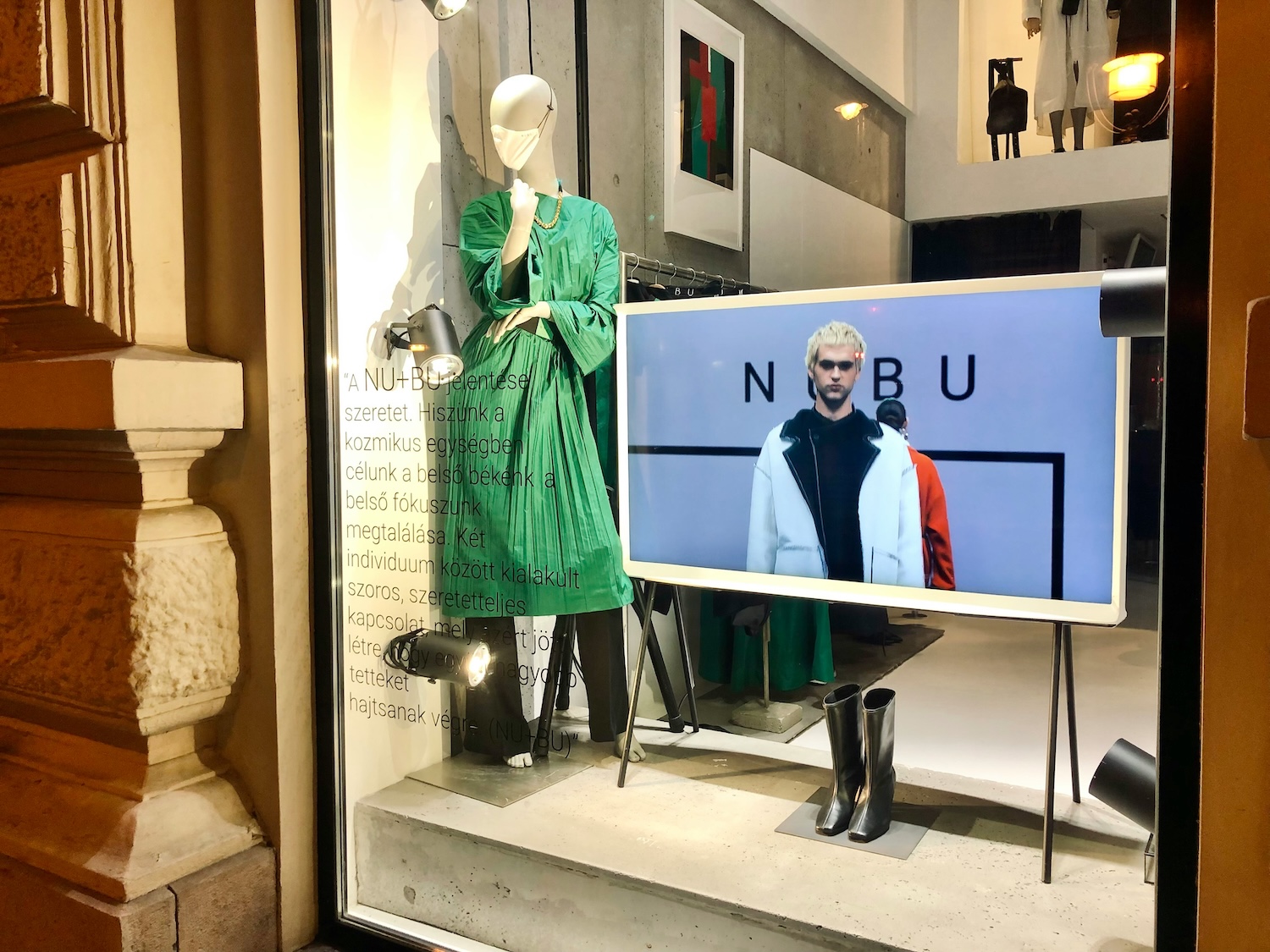
Customer recall begins before shoppers enter. The storefront should communicate the brand quickly enough to register with people walking or driving past.
Lighting, logo placement, window graphics, and typography should use the same visual system customers encounter online and inside the store. Retailers can use distinctive elements such as store front neon signs to create a recognisable illuminated focal point. NeonSignsNow currently supports customised text, artwork, colours, sizes, and configurations for commercial signs.
Avoid filling the frontage with unrelated messages. One strong visual identifier is generally easier to remember than several competing promotions.
Repeat Core Brand Cues Inside the Store
Recognition improves when customers repeatedly encounter the same visual language.
Carry the storefront palette, typography, shapes, photography style, and graphic treatment into interior signage, wall graphics, displays, packaging, and checkout materials. Retail Focus emphasises that consistent imagery, colors, and textures help create a cohesive retail identity.
Repetition should feel coordinated rather than duplicated. The same design system can be adapted for different formats while retaining recognisable elements.
Define a Retail Brand Cue System
Document a limited set of elements staff and designers can reuse:
- Primary and secondary brand colours
- Approved typefaces
- Logo placement rules
- Photography style
- Promotional graphic treatments
- Standard call-to-action language
Consistency matters particularly for multi-location retailers, where customers should recognise the brand even when individual store layouts differ.
Create Strong Product Focal Points
Customers are unlikely to remember every display they encounter. Give priority products a deliberate focal zone.
Use lighting, spacing, colour contrast, fixture height, or directional signage to separate the featured merchandise from surrounding stock. Retail Focus has described visual merchandising as a tool for guiding shopper exploration and reinforcing the retail experience.
Avoid placing several equally dominant displays within the same sightline. When everything competes for attention, shoppers have fewer clear visual anchors to remember afterward.
Connect Online Campaigns to Physical Displays
A customer who has already seen a campaign on Instagram, email, search, or the retailer’s website should recognise it immediately in-store.
Reuse campaign photography, headlines, colours, and product groupings at the point of sale. Retail Focus recommends connecting digital marketing with the store experience so products promoted online are easy for customers to locate when they arrive.
This continuity reduces the cognitive effort required to connect an advertisement with a physical product.
For seasonal campaigns, create a dedicated visual zone rather than scattering promotional elements throughout unrelated categories.
Use Wayfinding as Marketing
Wayfinding normally serves a functional purpose, but it can also reinforce brand memory.
Directional signs, department identifiers, fitting-room graphics, and checkout markers should use brand-specific typography and visual cues instead of generic templates whenever practical.
Retail Focus reports that thoughtful signage can guide customers through physical spaces while helping create a more coherent experience.
The important rule is clarity. Branding should never make an arrow, destination name, or safety instruction harder to understand.
Build Memorable Sensory Consistency
Recall is not purely visual.
Lighting level, music, materials, staff interactions, and even the sound environment contribute to how a shopper remembers a store. Retail Focus recently argued that music should be considered alongside lighting, signage, layout, and merchandising when designing an intentional retail atmosphere.
Retailers should define these elements rather than allowing them to develop randomly by shift or location.
A premium store may use controlled lighting, restrained graphics, and quieter music, while a youth-oriented concept may use higher-energy sound and stronger visual contrast. Both can be memorable when the experience supports the intended brand position.
Give Customers Printed Brand Material Worth Keeping
Not every piece of in-store marketing needs to disappear after the transaction.
For product collections, interiors, fashion, homeware, luxury goods, or campaign launches, a printed lookbook can extend the store experience into the customer’s home. Businesses can adapt customisable photo books into a printed lookbook, product brochure, campaign book, or in-store brand guide containing photography, product stories, styling combinations, specifications, and campaign imagery.
A printed book should add information rather than reproduce the website. Include material details, product combinations, behind-the-scenes photography, brand history, or seasonal styling that gives customers a reason to retain it.
This format can be especially useful in environments where purchase decisions take longer, such as furniture, kitchens, interiors, premium fashion, jewellery, and other considered purchases.
Turn Checkout Into a Recall Point
Checkout is the final controlled touchpoint before the shopper leaves.
Use it to reinforce the brand rather than filling the area with unrelated notices. Packaging, receipts, inserts, loyalty information, bags, and collection cards should follow the same design system used throughout the store.
Keep the Final Message Focused
Useful checkout messages include:
- Loyalty enrollment
- Product-care guidance
- Upcoming launches
- Store events
- Social media information
- Relevant complementary products
Avoid presenting multiple competing calls to action. Select the action most likely to continue the customer relationship after the visit.
Design Photo-Worthy Brand Moments Carefully
Customers frequently photograph visually distinctive stores, displays, mirrors, products, and signs. Retailers can use that behaviour without turning the entire space into a social media set.
Create one or two recognisable visual moments that photograph well and contain an identifiable brand element.
Position logos where people will not completely block them when standing in front of the installation. Test the location using typical smartphone framing before finalising the design.
A strong photo moment can extend physical retail visibility into digital channels while reinforcing the same visual identity customers experienced in-store.
Measure Recall Through Customer Behaviour
In-store marketing should be tested rather than judged entirely by appearance.
Use campaign-specific QR codes, promotional codes, loyalty data, customer surveys, footfall information, and product-level sales to determine whether particular displays or messages influence behaviour.
Retail teams can also observe whether customers recognise campaign products without staff assistance, return asking for specific collections, or refer to signage and visual features they previously encountered.
The strongest in-store marketing system is recognisable without becoming repetitive. A distinctive storefront attracts attention, interior cues reinforce identity, merchandising creates memorable focal points, and printed or digital materials continue the relationship after the customer leaves.
Better customer recall comes from consistency across those touchpoints. When every element supports the same brand story, the store becomes easier to recognise, remember, and revisit.