


Retailers are implementing new security approaches to address challenges such as organised crime and customer safety. Modern in-store security practices prioritise both loss prevention and a positive in-store experience. Achieving this balance is essential for store operations in a complex retail landscape.
In-store security practices have rapidly evolved to keep pace with the rising sophistication of theft, shifting regulatory standards, and growing customer expectations regarding safety. Retailers now face organised retail crime and increasing demand for seamless, welcoming stores. Pro FM solutions are influencing approaches to asset protection while minimising disruption to the shopping experience. Understanding and applying current strategies is vital for effective in-store loss prevention and maintaining consumer trust within today’s retail environments.
Understanding the changing dynamics of retail security
Current security challenges require retailers to move beyond traditional approaches. Addressing complex forms of shrink, including internal and external theft, as well as organised groups using new methods to target stores, has become necessary. This expanding threat landscape means risks can come from multiple points, not just the shop floor.
At the same time, consumers expect a frictionless store visit. Security strategies need to avoid creating barriers that could deter genuine shoppers or harm the brand’s reputation. Prioritising a balance between vigilance and customer service is now a critical element within retail security plans.
Building an effective and consistent security foundation
Store policies shape team behaviour and responses during incidents. Clear, practical guidelines, regularly refreshed according to risk assessment, ensure that all team members understand their responsibilities. Applying standards consistently across store formats helps reduce confusion and strengthens loss prevention outcomes.
Security risk assessments should always consider specific trading patterns and store design. High-risk zones, such as entrances, returns counters, and self-checkouts, require tailored policies. Regularly reviewing these areas helps highlight vulnerabilities and enhances overall safeguards for both products and people. Proactive preparation is key to minimising both loss and disruption.
People, process, and the reduction of in-store losses
Frontline employees are integral to in-store security practices. Regular, targeted training enables staff to spot suspicious activity and to de-escalate conflicts safely and confidently. Clear routines for incident reporting, including disciplined use of logs and handover notes, can highlight patterns and support investigations.
Established staff routines increase the visibility of security efforts, acting as deterrents while maintaining a welcoming atmosphere. During busy periods, zone ownership strategies further strengthen in-store security by assigning team members to monitor critical areas, ensuring prompt attention to unusual behaviour and facilitating service. Pro FM assists in coordinating these routines among various team members, enhancing consistency and clarity across shifts.
Integrating technology while prioritising customer experience
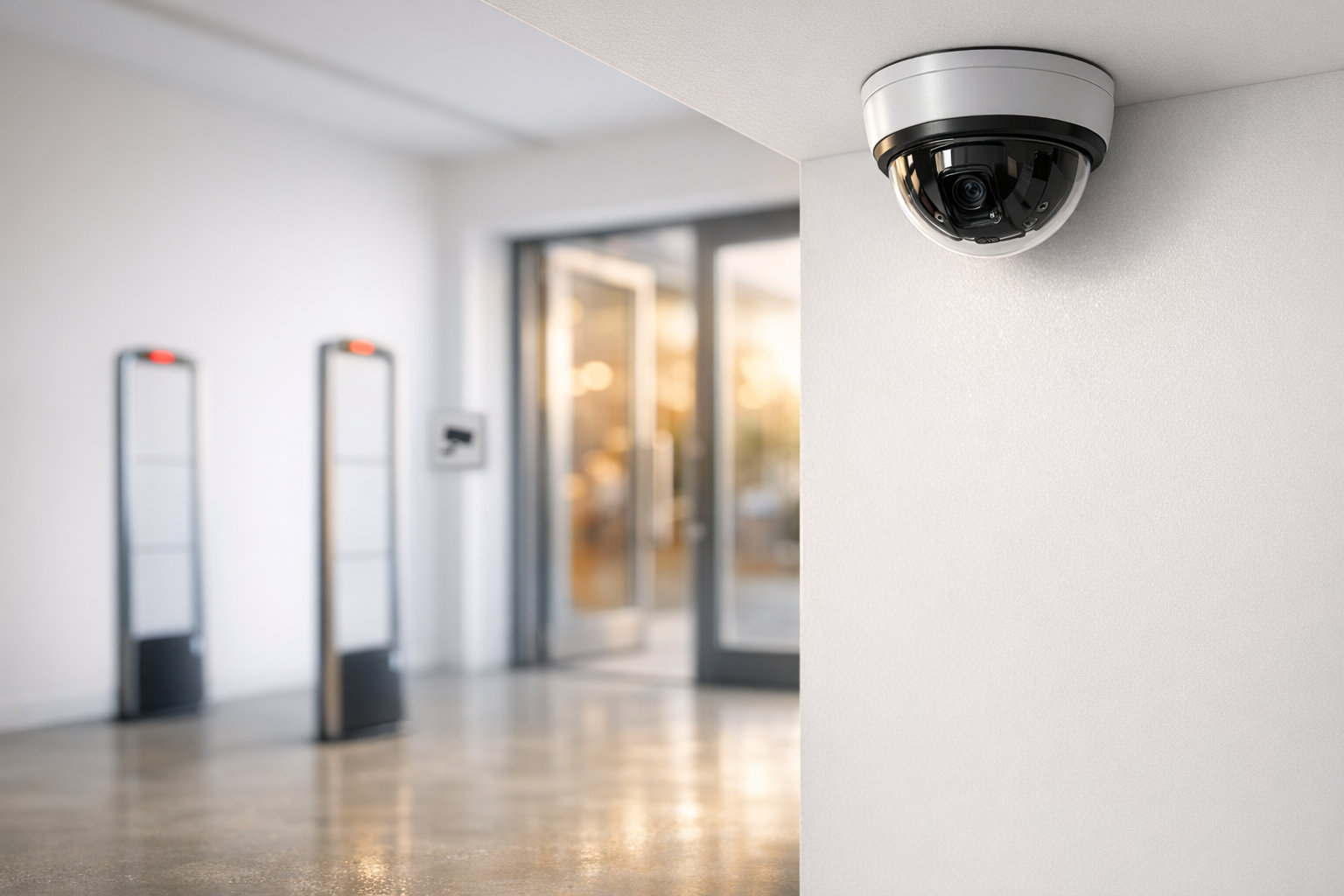
Technology continues to shape in-store security practices. CCTV remains a cornerstone, but regular review of camera placement and signage is essential to cover high-value zones and customer touchpoints effectively. Transparent processes for footage review ensure compliance and support event investigations, while also respecting privacy.
Electronic Article Surveillance (EAS) systems and product-level tagging allow discreet yet robust protection for high-theft product categories. Many retailers use smarter tags and data from these systems to spot trends related to shrink and adapt response accordingly. Access control to stockrooms and delivery entrances further prevents unauthorised activity behind the scenes.
Designing safer, more secure retail environments
In-store security practices can be strengthened at the design stage by maximising visibility and minimising blind spots on the sales floor. Open sightlines support both surveillance and service, making it easier to monitor activity without causing discomfort.
Arrangements of high-theft products often use lockable displays or attended counters without limiting genuine access for customers. Queue management at checkouts and strong self-checkout supervision also help strike the right balance between speed, staff vigilance, and security. These measures combine to uphold high standards without diminishing service or product availability.
Ensuring ongoing workplace safety and data protection
Security is not only about loss prevention; it also supports the wellbeing of colleagues and shoppers. Addressing scenarios such as lone working or late closing requires measures that offer both reassurance and practical protection. Regular checks and team communication protocols reduce risks, particularly during quieter trading hours.
In-store security practices should also uphold data privacy and handle information with care. Surveillance footage and incident records must be stored and accessed only as necessary, maintaining proportionality and compliance with industry guidelines. This strengthens trust, both inside the organisation and for customers.
Evaluating effectiveness and understanding specialist options
Measuring the impact of in-store security practices goes beyond tracking shrink. Retailers can monitor incident response times, staff confidence, and recovery rates to develop a complete picture of security performance. Frequent audits and constructive feedback cycles promote ongoing improvements, helping adapt to new threats and trends.
When risk patterns escalate or internal resources are stretched, consulting specialist support can bring additional expertise and oversight. External input may offer new perspectives on persistent issues or introduce new tools, ensuring security programmes remain robust and flexible as demands change. Continuous evaluation helps keep security approaches aligned with business goals and operational realities.