


Choosing a forklift can feel deceptively simple: pick a capacity, pick a fuel type, and you’re done. In practice, the “right” truck is the one that fits your loads, your layout, your surfaces, your operators, and your future plans—without quietly adding risk, delays, or unnecessary costs. If you’ve ever watched a truck struggle to turn in a tight aisle, or seen pallets arrive damaged because the mast wasn’t stable at height, you already know how expensive a mismatch can be.
This guide breaks down how to specify a forklift the same way experienced warehouse and site managers do: by working backwards from the job.
Start With the Job, Not the Truck
Before you compare brands or price tags, define your operating reality. A forklift that’s perfect for a dry, flat warehouse may be the wrong tool for a yard with slopes, potholes, and mixed loads.
The questions that matter most
Ask these early—ideally with input from supervisors and operators:
- What are you lifting, exactly? Pallets, stillages, long loads, irregular items, or attachments-driven handling (clamps, rotators)?
- What’s the heaviest load and typical load? “We never exceed 2 tonnes” is different from “2 tonnes happens twice a week at full height.”
- How high do you need to place loads? Top racking height, trailer beds, mezzanines, or container loading all change the mast requirements.
- Where does the truck spend its time? Indoor, outdoor, cold store, wet areas, or a mix with frequent transitions.
- How intense is the duty cycle? Occasional use, steady shifts, or high-throughput multi-shift work.
- What constraints are non-negotiable? Aisle width, door height, floor loading limits, noise, ventilation, or emissions rules.
When you capture these details, you’ll avoid the common trap of buying for “maximum capacity” while overlooking turning radius, load centre, or stability at height.
Match the Forklift Type to Your Layout and Travel Paths
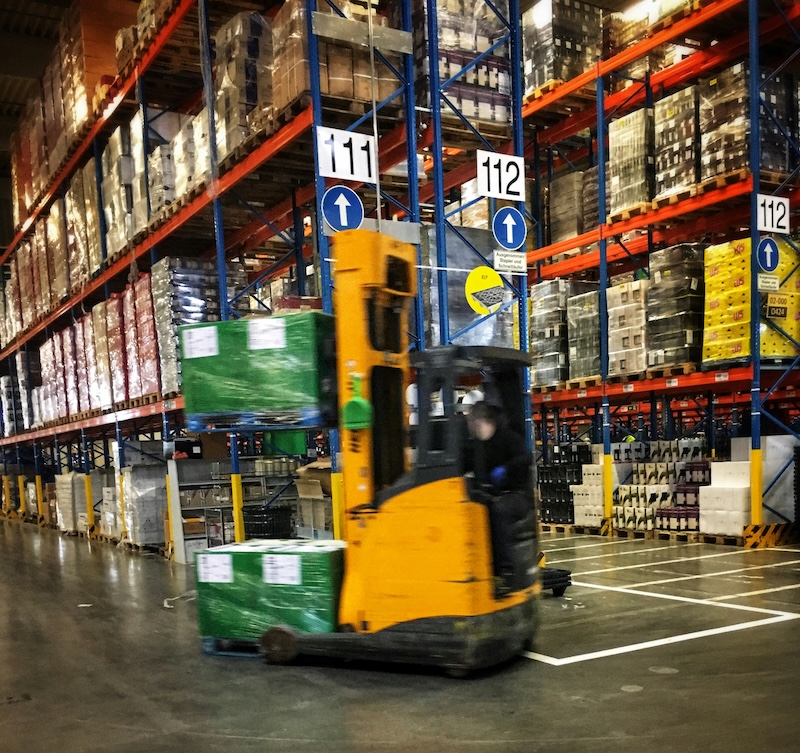
Counterbalance forklifts are the default choice for many sites because they’re versatile, but they’re not always the most efficient. A reach truck, for example, can dramatically improve storage density in narrow aisles; a rough-terrain truck can keep productivity up when ground conditions aren’t kind.
Aisle width and turning: the hidden decider
Take aisle widths seriously. If you’re working close to racking, a few centimetres can be the difference between smooth operation and daily scuffs, product damage, and slow manoeuvring.
A practical way to sanity-check fit is to map the tightest points:
- narrowest aisle
- sharpest turn
- busiest crossing point
- any dock levellers or thresholds
Once you’ve narrowed down the class of truck and your key dimensions, it becomes much easier to compare real-world options and availability. At that stage, you might browse listings to benchmark what’s out there—e.g., you can discover high-quality forklifts ready for sale as part of your wider comparison process—then bring the shortlist back to your requirements to confirm suitability.
Choose the Right Power Source for Your Environment and Uptime
Power choice is less about preference and more about where you operate, how long you run, and what constraints you have.
Electric forklifts (battery)
Electric trucks are often the best fit for indoor work because they’re quiet, have zero tailpipe emissions, and deliver smooth control. They also tend to reduce routine maintenance compared to internal combustion.
Watch-outs:
- Do you have a charging area and the discipline to manage it?
- Is opportunity charging viable, or do you need battery swapping for multi-shift work?
- Will the truck operate in cold environments where battery performance can dip?
LPG (gas)
LPG sits in the middle: flexible, quick to refuel, and usable indoors with the right ventilation and controls (always follow site safety requirements). It’s popular for mixed indoor/outdoor use.
Watch-outs:
- Cylinder storage and changeover procedures
- Emissions considerations if operating in enclosed areas
Diesel
Diesel forklifts come into their own outdoors, on rougher surfaces, and in heavier-duty applications. They’re generally not suitable for indoor-only work due to emissions.
Watch-outs:
- Noise and fumes
- Restrictions on certain sites (food, pharma, clean environments)
Don’t Spec by Capacity Alone: The Details That Make or Break Performance
Rated capacity is only meaningful if it matches your real loads at the right load centre and lift height. A forklift rated at 2,500 kg at a 500 mm load centre may safely handle much less if your loads are longer, off-centre, or handled with attachments.
Here are the specs worth slowing down for:
- Load centre and load moment: Longer loads shift the centre of gravity forward, reducing effective capacity.
- Lift height and mast type: Duplex, triplex, and full free lift configurations affect stability and whether you can work under low doorways.
- Tyres and surfaces: Cushion tyres suit smooth indoor floors; pneumatic tyres handle uneven yards better. Non-marking options matter in clean areas.
- Attachments: Side-shifters are common, but clamps, rotators, and fork positioners can change required capacity and visibility.
- Visibility and ergonomics: Good sightlines, intuitive controls, and reduced vibration don’t just help comfort—they reduce incidents and fatigue-related errors.
A simple rule: if you regularly lift near maximum height, insist on stability and handling performance at that height, not just at ground level.
Build Safety and Compliance Into the Selection
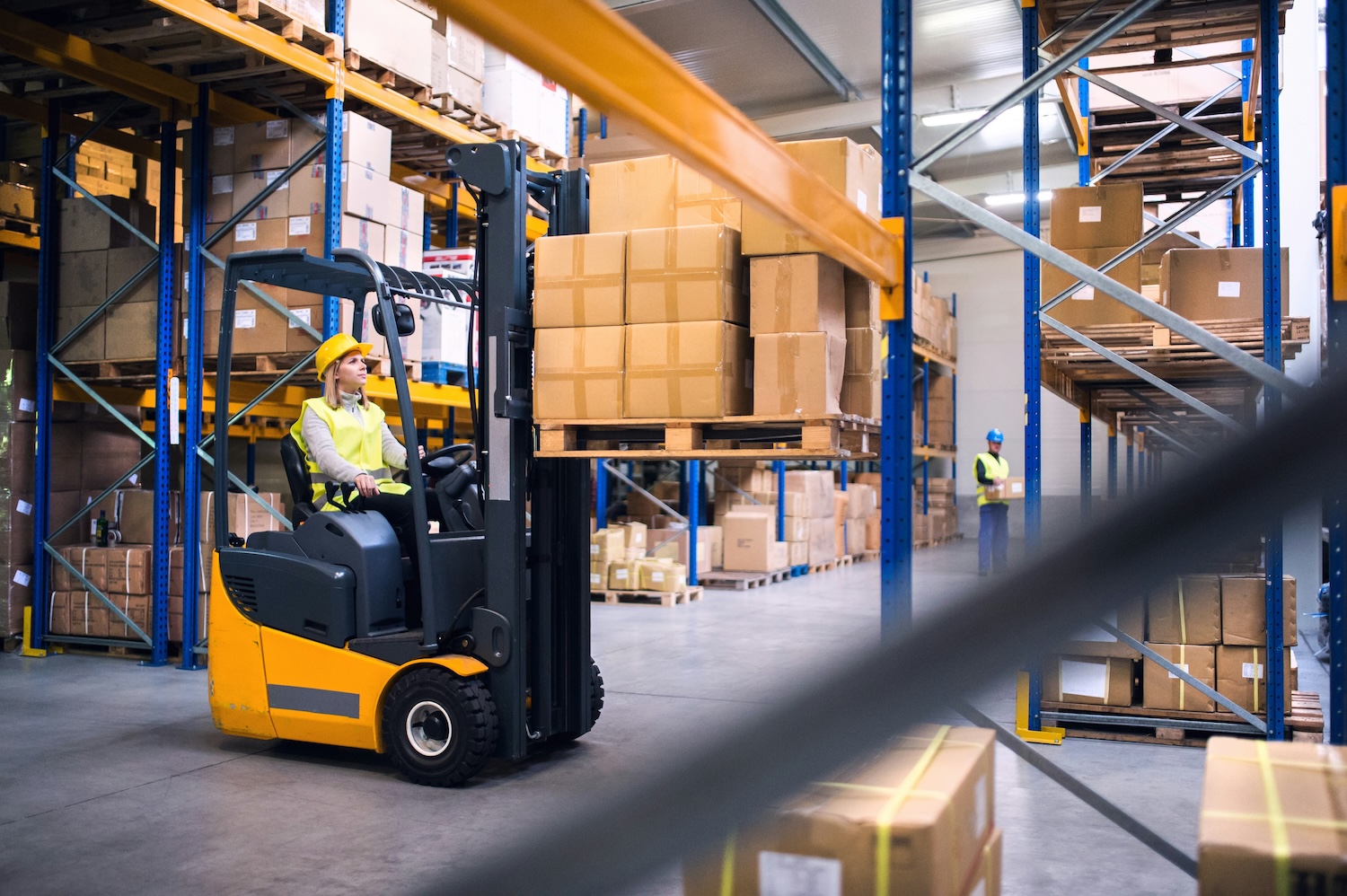
A forklift is a productivity tool and a moving risk profile at the same time. Matching the truck to the job is one of the easiest ways to reduce near-misses.
Practical safety features to prioritise
Look for:
- Clear all-round visibility (mast design and overhead guard can make a big difference)
- Speed control and stability assistance appropriate to your environment
- Lighting and warning systems that suit noisy or pedestrian-heavy areas
- Operator presence systems and easy, consistent braking feel
Also consider the human factor: will operators actually like using it? Disliked trucks tend to be driven poorly—harsh braking, rushed turns, improvised workarounds—none of which end well.
Think in Total Cost of Ownership, Not Just Purchase Price
Two forklifts with the same headline capacity can have very different lifetime costs. Energy use, tyres, servicing intervals, parts availability, and downtime risk all matter.
A practical decision framework
- If usage is occasional or seasonal, short-term hire or flexible rental can protect cashflow and reduce maintenance burden.
- If usage is predictable and high, ownership (new or well-vetted used) often wins—provided you plan servicing properly.
- If uptime is critical, prioritise supportability: local service coverage, parts availability, and a maintenance plan aligned to your shifts.
Finally, don’t underestimate the value of a site trial. A short evaluation in your tightest aisle and busiest loading area can reveal issues no spec sheet will.
The Takeaway: A Forklift Should Fit Your Site Like PPE Fits Your Team
The “right” forklift is the one that lifts your real loads, in your real spaces, for your real hours—safely and without friction. Start by defining the job, then match truck type, power, and specifications to your layout and operating conditions. Do that well, and you’ll see the payoff quickly: smoother flow, fewer damaged goods, happier operators, and less downtime.
If you want, share your typical load weight, lift height, aisle width, and indoor/outdoor split, and I’ll outline what forklift class and key specs usually fit best.