


Walking into a store should feel like a natural experience for every shopper. Retailers often spend a lot of time thinking about what products to put on the shelves. They might forget that how those items are shown is just as important as the items themselves.
A good presentation helps people find what they need without feeling lost or stressed. It creates a mood that makes shoppers want to stay longer. When a shop looks organized and inviting, it builds trust with the person walking through the door.
The Power Of The First Right Turn
The way people move through a shop is not random at all. Most people have a natural habit of looking and moving in a certain direction. One major financial publication found that 90% of Americans instinctively turn right upon entering a store.
Retailers should place their most exciting or newest items in this high-traffic zone. It is the first thing people see, so it sets the tone for the rest of the visit. You can use this space to tell a story about your brand or show off a seasonal sale.
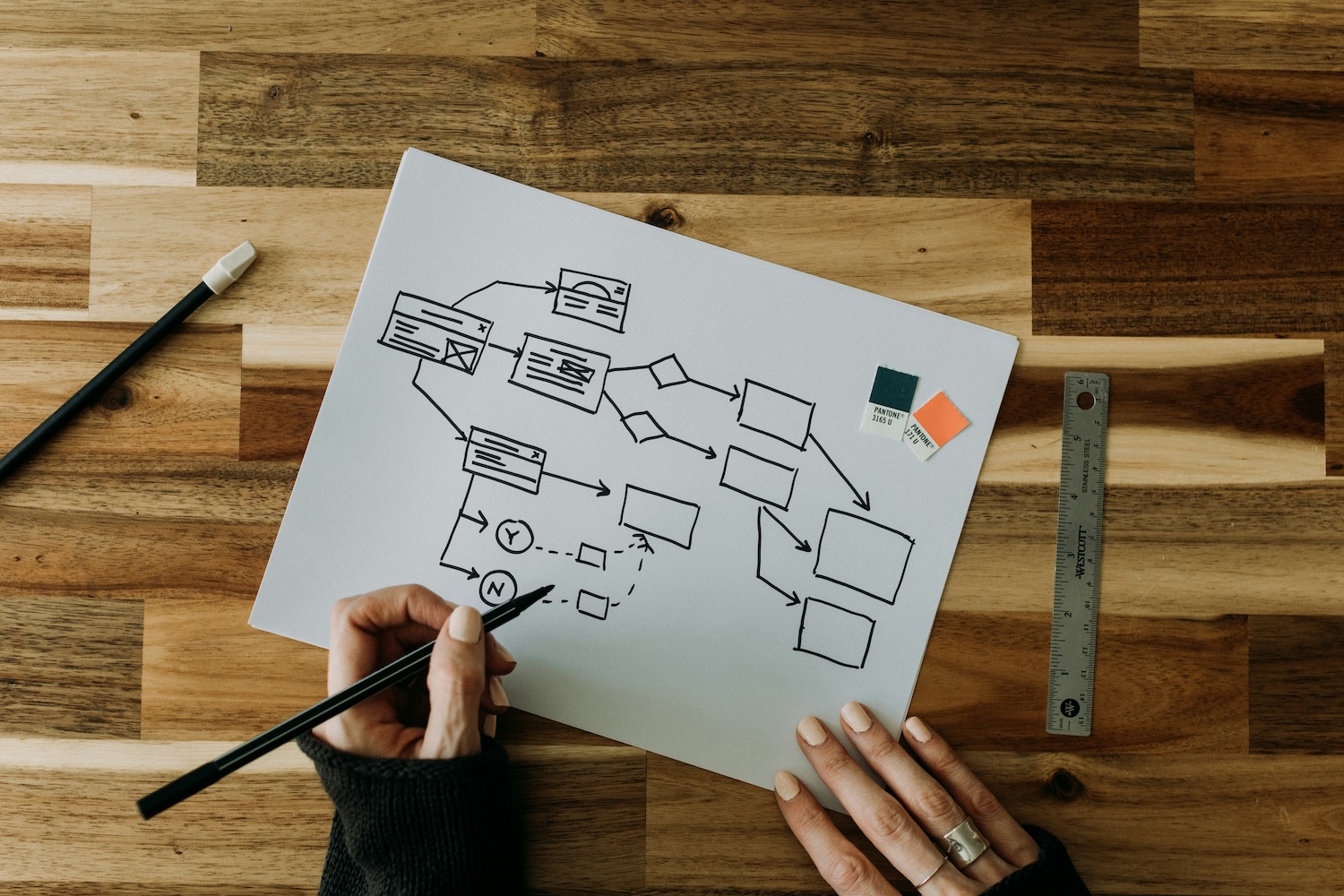
Seeing the path helps you spot where people might get stuck. That’s why it’s helpful to create a flowchart online to map out the customer journey. It ensures that your best products are right in the line of sight for most visitors.
Designing Paths For Better Discovery
Once a shopper turns right, they need a clear path to follow through the rest of the store. If the aisles are too tight or confusing, people will leave before they see everything. A circular path is often better than a grid because it leads customers past more displays.
You want the journey to feel like a guided tour rather than a maze. Use low shelves in the middle of the floor so shoppers can see across the room.
Lighting As A Visual Guide
Lighting does more than just help people see where they are walking. It acts like a spotlight that tells the eyes exactly where to look. Bright lights on a specific display can make those products pop out from the background.
Softer lighting is great for areas where you want people to relax, like a fitting room or a seating area. Avoid using only overhead fluorescent lights as they can feel cold and cheap. Mixing different types of lamps and fixtures creates a much more professional look.
Using Sensory Design For Better Moods
A great store appeals to more than just the eyes of the customer. Sounds and smells play a huge role in how long a person stays inside. A recent study showed that 46% of shoppers change their routines to visit stores with more appealing festive atmospheres.
Playing the right music can keep the energy high or help people feel calm while they browse. Scent is also a powerful tool for memory and emotion. A bakery that smells like fresh bread will always draw more people in than one that smells like cleaning supplies.
The Science Of Shelf Placement
Where you put an item on a shelf determines how fast it will sell. Most adults look at items that are at eye level first. This “bullseye zone” is where you should put your most profitable or popular items.
Lower shelves are perfect for heavy items or things that kids might want to see. Higher shelves can hold specialty products that people are willing to search for. Organizing shelves by color or size helps the display look neat and professional.
Creating Interactive Product Displays
Shoppers love to touch and try things before they commit to a purchase. An interactive display allows them to feel the quality of a fabric or see how a gadget works.
- Set up a demo station for electronics
- Put out fabric swatches for furniture
- Offer testers for lotions or perfumes
- Create a “try-on” station for accessories
These small touches make the shopping trip feel like an event. When people interact with an item, they are much more likely to take it to the register. It turns a boring task into something fun and engaging.
Signage That Communicates Clearly
Signs should help customers, not confuse them with too much text. Use large, clear fonts that are easy to read from a distance. A good sign tells the shopper what the product is and why they need it in just a few words.
Handwritten signs can give a local shop a cozy and personal feel. Digital signs are better for modern stores that change their sales often. Make sure every sign is clean and sits at a height where it does not block the view of the products.
Grouping Products For Easy Sales
Cross-merchandising is a smart way to help shoppers find everything they need in one spot. If you sell pasta, put the sauce and the wooden spoons right next to it. This reminds the customer of items they might have forgotten to put on their list.
It creates a more convenient experience for the shopper. They do not have to walk across the whole store to find matching items.
Keeping The Store Fresh And Updated
A store that never changes starts to feel invisible to regular customers. Moving displays around every few weeks keeps the environment feeling new. It forces people to look at items they might have walked past many times before.
Seasonal updates are the easiest way to refresh the look of your business. Even small changes, like new flowers or different window posters, can make a big impact. A fresh look tells the community that your business is active and growing.
Creating a great shopping environment is all about the little details. From the way the light hits a shelf to the music playing in the background, every choice matters. When you focus on the comfort of the customer, the sales usually follow.
Retailers who take the time to plan their space see better results. It is not just about selling a product, but about providing a great experience. A well-planned store keeps people coming back again and year after year.