

The relentless focus on bricks-and-mortar retail often overshadows the central truth of modern commerce: the screen is the new shop window. For designers and architects in the retail sector, our discipline must now treat the e-commerce platform with the same spatial and sensorial rigour traditionally applied to a high street flagship location. This goes beyond simple functionality; we are talking about high-fidelity digital design, where the goal is to create an online environment so visually rich and operationally seamless that it captures the emotion of a physical visit. The challenge is moving from a transactional website to an immersive digital destination.
This shift is a direct response to consumer expectations. Shoppers today operate in a digital environment where the quality and trustworthiness of an interface directly correlate with its perceived value. They are accustomed to faultless performance across all their applications, whether they are banking, streaming, or engaging with digital entertainment. For instance, consumers choosing financial applications expect seamless security and immediate feedback.
Similarly, iGaming platforms with features like real-time customer support, secure transactions, and a polished user interface set a high benchmark for digital reliability. Many trusted non GamStop casinos 2025 has to offer feature gamification elements, fast payment verification, and clear progress indicators, which can keep people engaged and reduce drop-off. The same principles now influence retail experience design, where frictionless checkout, intuitive navigation, and reassuring payment gateways are considered essential rather than optional.
Retailers must deliver a similarly impeccable user experience. A high-fidelity digital storefront uses detailed visual assets, micro-animations, and sophisticated navigation to convey the quality of materials and the authenticity of the brand story, essentially replacing the ability to touch and feel a product with a visual and functional sense of assurance.
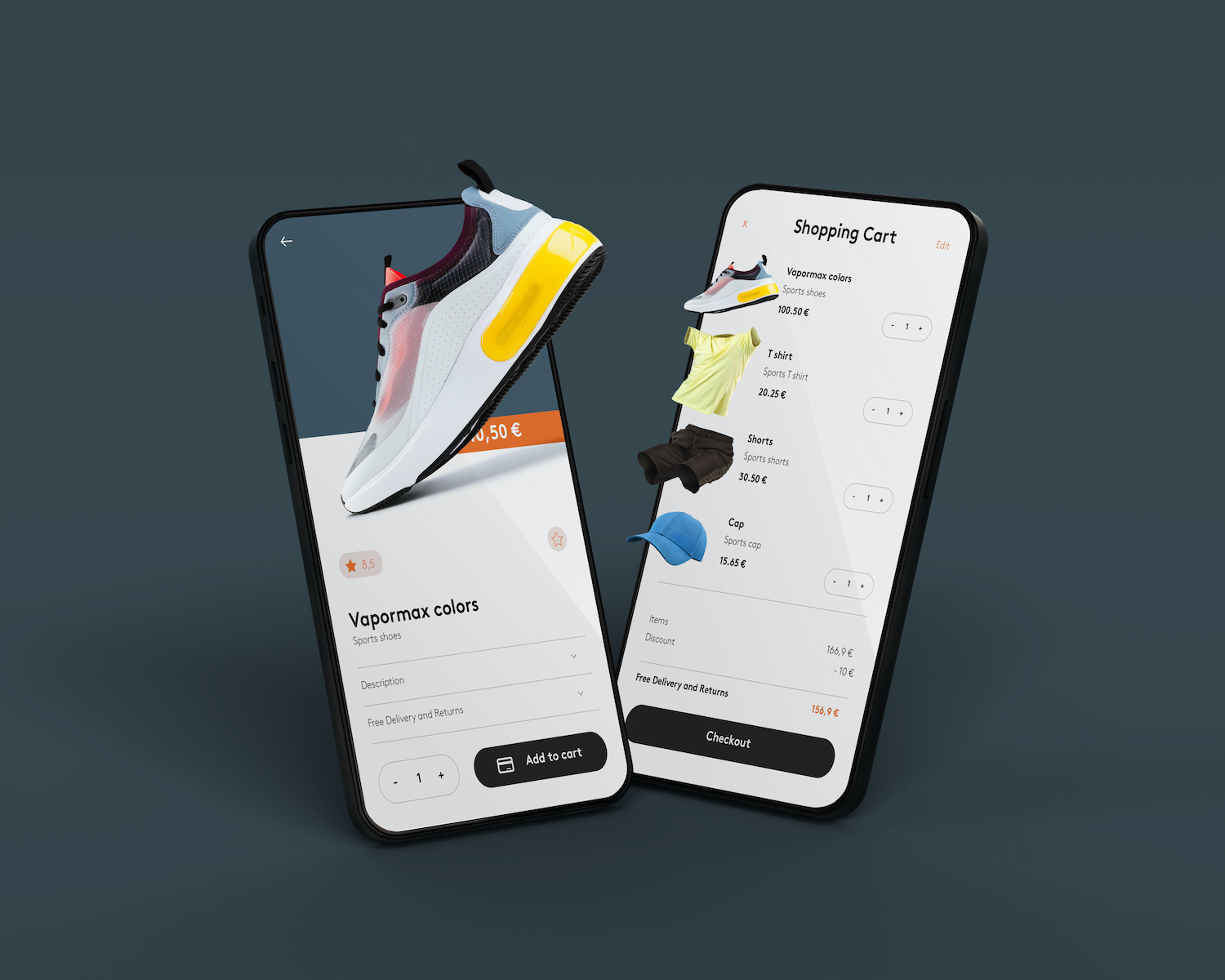
One of the most important components of this new digital storefront is three-dimensional visualisation. A flat image or video can no longer communicate the feel of a luxury handbag or the fit of a piece of furniture. Leading brands are implementing 3D models and Augmented Reality ‘try-on’ features that allow customers to examine products from every angle, adjust colours in real time, and place a virtual object into their own space.
This technology requires a massive jump in asset creation and rendering power, making it a design project on the scale of a physical fit-out. It demands collaboration between UX designers, content creators, and the technology team to make sure the load speed and device performance do not undermine the aesthetic ambition.
Creating a fluid shopping journey is another critical step. The checkout process must be designed not just for speed, but for cognitive ease. Every transition, hover state, and feedback message must be considered part of the brand’s visual identity. The digital space is intrinsically flexible, and unlike a physical store, its layout can respond to data in real time.
We are beginning to see AI influence the presentation layer, adapting the visual hierarchy and content blocks based on the individual’s known preferences or current intent. This is not just showing different products; it is about changing the way the brand presents itself to that person, mimicking the expertise of an attentive in-store sales associate.
The role of the physical store now becomes the ultimate extension of this digital ambition. Where the digital storefront builds desire through flawless visual storytelling, the physical space provides the final sensory confirmation. Design teams must treat the physical and digital as two sides of the same coin, with the high-fidelity standard applying to both. The future success of a retail business rests on the ability of its designers to craft a digital flagship store that is just as captivating, secure, and memorable as its most prized location on the high street. This unified approach is the new standard for retail excellence.