



Whether you’re welcoming a new kitten or updating the setup for a cat you’ve had for years, choosing the right products can make everyday life more comfortable for both of you. A cat flap and a cat water fountain are two of the most popular cat care essentials. One supports your cat’s independence, the other offers a more appealing way to drink.
With so many styles, sizes and features to choose from, it’s not always obvious where to start. This buying guide covers what to look for, where to position each product, how to introduce them and how to keep them clean, so you can shop with confidence and pick what suits your home.
What Does Your Cat Need From Their Home?
Before you shop, it helps to think about your cat’s day-to-day needs. Fresh water, comfortable resting spots, room to explore and enough stimulation to prevent boredom are the basics. Cats also tend to feel most secure with a predictable routine, while still having outlets for natural instincts like climbing, scratching and play.
Every cat is different, so let their age, personality, health and living environment guide your choices. A confident young cat in a quiet neighbourhood has different needs from a nervous indoor cat in a flat. Spend a few days observing yours, and you’ll have a much clearer idea of which products will be useful.
Buying a Cat Flap: What to Consider
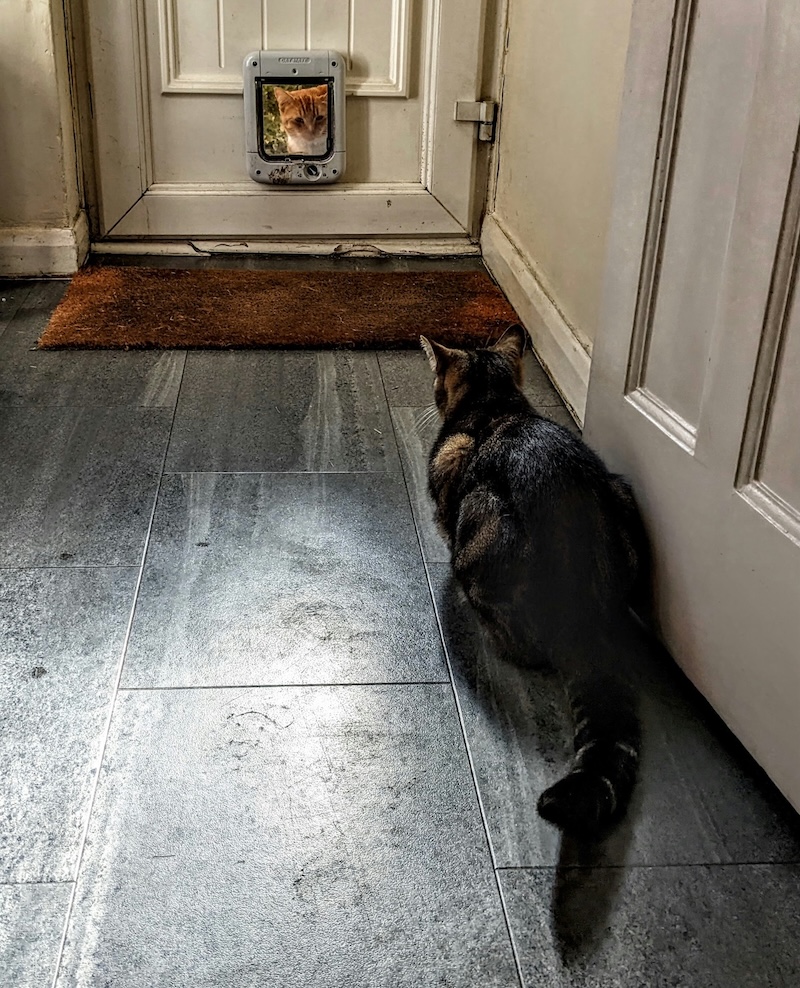
For cats that are suited to spending time outdoors, a cat flap lets them move between indoors and outside whenever they choose, without relying on you to open the door. That freedom can support natural behaviours such as exploring and exercising, and it saves you from being the household doorman.
Types of Cat Flap
- Manual cat flaps are simple, affordable and open for any cat that approaches. They suit homes where access control isn’t a concern.
- Locking cat flaps let you decide when your cat can come and go, which is handy if you’d like to keep them in overnight.
- Microchip cat flaps read your cat’s microchip and open only for them, helping to keep out neighbourhood cats and other animals. Many models can store several chips, which is useful for multi-cat households.
Questions to Ask Before You Buy
- How big is your cat? Measure your cat’s height and width, and check the flap’s opening size against them. Larger breeds will need a bigger flap.
- Where will it be fitted? Cat flaps can suit doors, walls and glass panels, depending on the product and your property. Always check the manufacturer’s guidance and consider professional installation if you’re unsure.
- How much control do you want? Think about whether you need locking modes, timers or microchip recognition.
- Do you have more than one cat? If so, check how many microchips or tags the model can store.
Where to Fit a Cat Flap
Location affects convenience, security and how readily your cat will use it. Choose a quiet, accessible spot that your cat can approach without feeling exposed. A flap that opens onto a busy or noisy area may put a nervous cat off.
Once it’s fitted, introduce it gradually. Prop the flap open at first so your cat can see through and walk through without resistance, then use treats and encouragement to build positive associations. Move on to a closed flap only when your cat is comfortable.
Safety is part of the decision too. Consider nearby roads, local wildlife, other animals and whether outdoor access is right for your individual cat. Kittens, older cats and those with certain health needs may be better suited to supervised or indoor-only lifestyles, and your vet can advise.
Buying a Cat Water Fountain: Why It’s Worth Considering
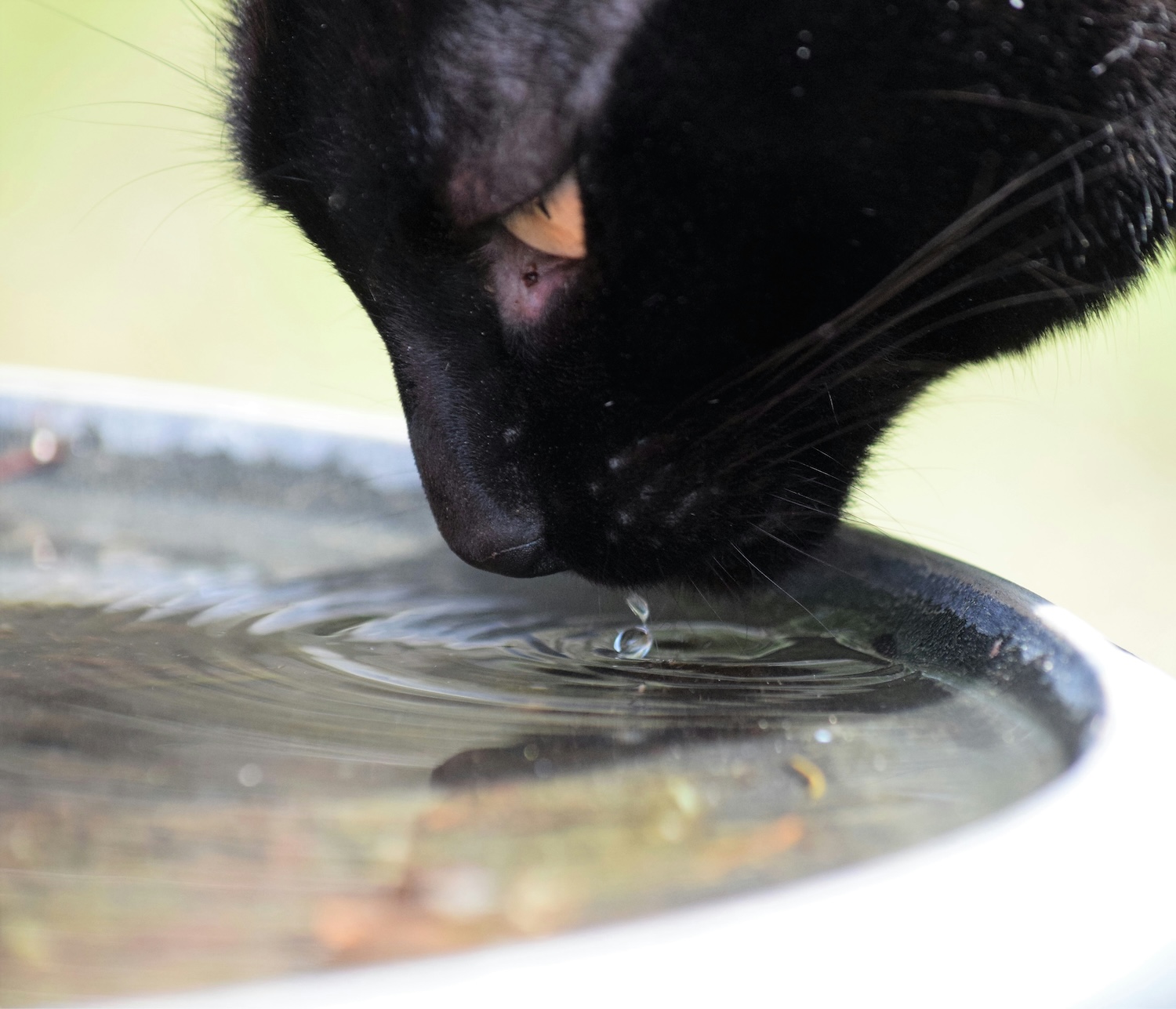
Fresh, clean water is a cornerstone of everyday cat care, and it supports normal bodily functions. Many cats seem drawn to moving water, which is why a cat water fountain is a popular alternative to a traditional bowl. The circulating water can be more interesting to some cats, and many fountains pass it through a filter that helps remove certain impurities and debris, depending on the model.
A fountain may encourage some cats to drink more readily, although individual preferences vary and some cats are perfectly happy with a bowl. Keep an eye on your cat’s drinking habits, and if you notice a persistent change, such as drinking noticeably more or less than usual, speak to your vet.
How to Choose a Cat Drinking Fountain
Here’s a quick checklist of what to compare when shopping:
- Capacity: A larger reservoir means less frequent refilling, which suits busy households and multi-cat homes.
- Noise level: Pumps vary, and a quiet model may be best for sensitive cats or light sleepers.
- Ease of cleaning: Look for fountains that come apart easily, ideally with dishwasher-safe parts.
- Filter replacement: Check how often filters need changing, how much they cost and how easy they are to buy again.
- Material: Ceramic and stainless steel are popular for their smooth, easy-to-clean surfaces, while plastic is typically lighter and more budget-friendly. The best choice depends on your cat’s needs and your own preferences.
Where to Place a Cat Water Fountain
Choose a quiet, accessible area away from litter trays and, where practical, away from food bowls, as cats often prefer to keep eating, drinking and toileting areas separate. Leave enough space for your cat to drink comfortably.
When you first introduce a fountain, keep a separate bowl of fresh water available. It’s also a good idea long term if your cat prefers still water.
Cat Flap and Water Fountain Care: Keeping Them Clean and Safe
Both products work best with a little regular attention, so it’s worth thinking about maintenance before you buy.
For your cat flap, check regularly that it opens and closes smoothly and that any locking mechanisms are working as intended. Look for wear, cracks or damage, and make sure nothing is blocking the flap.
For your cat water fountain, follow the manufacturer’s cleaning instructions, which usually involve washing the reservoir, pump and drinking surfaces regularly. Replace filters as recommended, and remember that circulating water still needs refreshing and the fountain still needs cleaning. A filter doesn’t replace routine cleaning.
A little routine maintenance keeps both products hygienic, reliable and comfortable for your cat, and it’s worth factoring in replacement filters and spare parts when you’re comparing options.
Building a Cat-Friendly Routine at Home
A cat flap and a cat water fountain work best as part of a wider routine. Pair them with suitable food, clean litter trays, comfortable resting places and plenty of play.
Consistent feeding and cleaning times help your cat feel secure. Even cats with outdoor access benefit from indoor enrichment, so consider adding toys, scratching posts, climbing spaces and interactive play. Indoor-only cats can enjoy plenty of these benefits too, with accessible water stations, vertical spaces and regular play to keep them active and stimulated.
The most useful habit is simply to observe. Watch how your cat uses their space and adjust things to suit their preferences.
Helping Your Cat Settle In With New Products
Cats can be cautious about change, so introduce anything new patiently and without forcing it. Let your cat investigate in their own time, place a familiar blanket or toy nearby, and reward curiosity with praise or a treat. Keep their usual water bowl available until they’re clearly comfortable with a new fountain.
Some cats adapt within a day or two, while others take a few weeks. If your cat suddenly becomes reluctant to use something they previously used happily, or you notice other changes in their behaviour, it’s worth looking into the cause, and your vet can help if you’re concerned.
Small Upgrades, Big Difference
A well-chosen cat flap can support independence for cats suited to outdoor access, while a cat water fountain provides a convenient source of circulating water. Together with regular cleaning, fresh water, appropriate supervision and attentive everyday care, they can help create a more comfortable, enriching and convenient home for your cat.