



The UK’s high street betting shop is in freefall. The number of locations seen in the UK has fallen from almost 10,000 in 2017 to less than 6,000. More are set to close after the government’s recent introduction of bigger taxes on gambling.
The main reason for the decline is the relevance of online gambling sites. Other factors include rising operational costs and changing consumer behaviour.
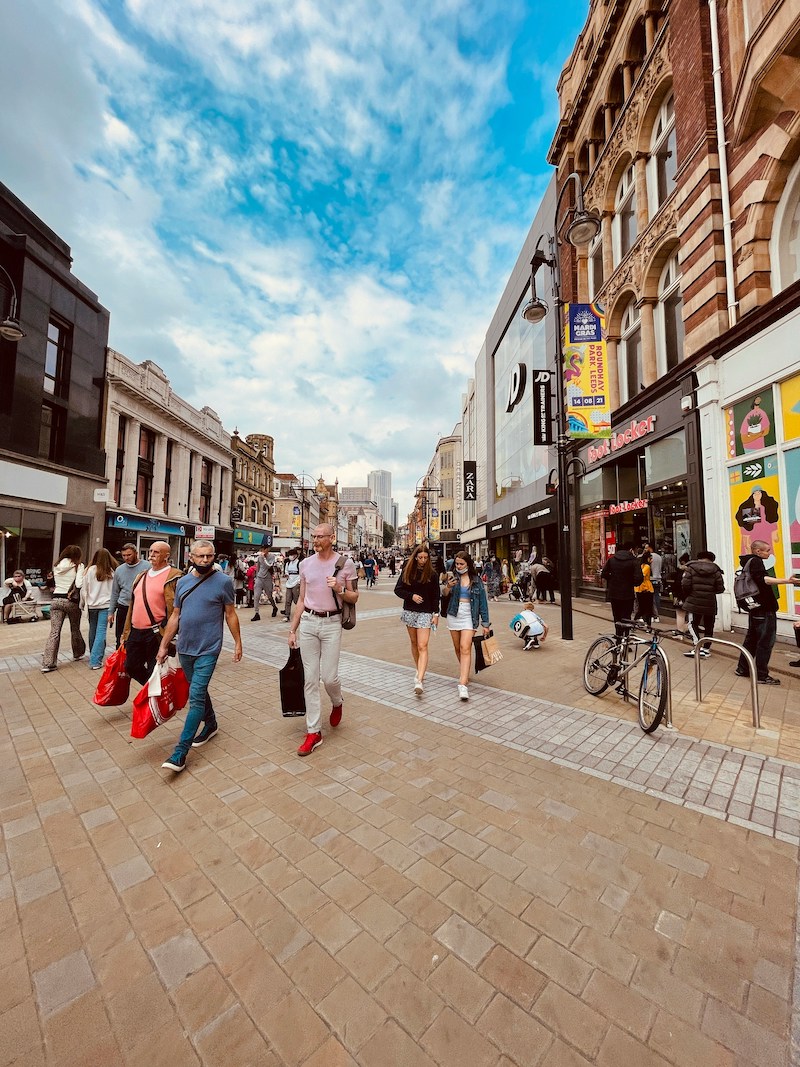
As UKGC licensed casinos continue to grow their digital market share, brand consultants and retail designers are trying to figure out if a better design could help the physical betting shops that remain on Britain’s high streets.
An old school look
When you walk by any bookmaker shop, you’ll see more or less the same type of design as was in place 20 years ago. The walls are screens showing random horse races from obscure locations, newspapers pinned on other walls, and betting terminals layered in between them.
It looks to be an industry that has given up on trying something different or trying to jazz things up. Many will say that the cost of running a high street presence is so high that they don’t have much left over at the end of it, let alone invest in major upgrades.
The experience economy
High streets have changed a lot in recent years, with the experience economy taking over with escape rooms, darts bars, immersive dining, bottomless brunch venues with karaoke booths. These environments have been specifically created to be sociable and not lend themselves to solitary affairs.
These venues understand that design is part of the product. When a customer chooses to visit a competitive socialising venue rather than staying home and ordering from their sofa, they are choosing the environment as much as the activity.
Betting shops have spent decades assuming that people come for the product, which is the odds, markets and the counter terminals. This might have been the case when online alternatives didn’t exist, but that’s no longer the case.
The most forward-thinking casino design globally has already reached this conclusion. Modern integrated resort design is moving decisively toward open, navigable layouts. They no longer go for the disorientating maze approach of earlier casino designs.
They now want to develop environments that welcome a broader leisure seeker and not just committed gamblers. The knock-on impact has been increased dwell times, more non-gaming spend, and a broadening of the demographics of the visitor. None of this is beyond the reach of the UK high street bookmaker.
What this could look like
High street bookmakers often have significant square footage in areas with high traffic. They also have plenty of screens that could be deployed in different ways to create a more engaging atmosphere.
They have counters, seating, and a captive audience for live sport, which is something that they could really lean into. The US figured this out years ago, with sports bars successfully building an entire industry on the concept. There’s no reason why a regulated gambling environment couldn’t create the same type of cultural space.
That means looking at lighting, material choice, spatial layout, and acoustic design with the same seriousness as a hospitality group would have for a bar refit. That means designing a project for groups rather than just individuals who are hunched over terminals.
That ultimately means creating a space where a customer would describe positively to someone who hasn’t visited.
The UK bookmaker has little time to figure out solutions to the drop in foot traffic that they’re experiencing. Giving people a reason to walk through the door would go a long way toward solving that issue.