



NBA fan culture now extends beyond watching games or checking scores. It influences how people dress, connect, and stay involved throughout the season. While media plays a role, retail stores have become an important part of this shift.
Rather than simply selling merchandise, NBA retail stores deepen how fans engage with the league. Through displays, products, and in-store messaging, they highlight players, storylines, and the wider culture of the game.
Gateway to Broader Fan Engagement
NBA retail stores do more than just sell products. Through displays, promotions, and in-store messaging, they highlight season storylines, team performances, and long-term developments, similar to the kinds of narratives reflected in FanDuel NBA futures. This helps fans stay informed while browsing, adding context to what they’re seeing on the court.
These in-store elements also encourage fans to follow the season more consistently. Instead of only tuning in for major matchups, they begin to notice patterns, team progress, and how things unfold over time, creating a deeper level of interest beyond casual viewing.
Identity and Self-Expression
NBA retail stores give fans a simple way to show who they are through what they wear. Jerseys, caps, and trainers are not just items to buy but tools for personal expression. Choosing a favorite team or player becomes visible in everyday outfits, whether at school, work, or social settings.
In addition, clothing choices often reflect mood, taste, and even values. Some people prefer classic team jerseys, while others lean towards modern streetwear inspired by the league. Because of this variety, fans can shape their own style while still feeling connected to the sport.
Globalisation of Fan Culture
NBA retail stores have made it easier for fans across the world to feel part of the same community. Official merchandise is now widely available, allowing supporters from different countries to access the same products. This shared access helps create a common experience, even outside the United States.
At the same time, wearing NBA gear signals membership in a global fan community. People can recognise and connect with others simply through a logo or jersey. This creates opportunities for interaction online or in public spaces.
Influence of Player Branding
Retail stores highlight the importance of individual players by promoting their signature products. Trainers and apparel linked to well-known athletes allow fans to support specific figures they admire. This shifts attention from teams alone to the personalities within the league.
Furthermore, these products tell a story about the player’s style and journey. Wearing a signature item can feel like sharing in that story, even in a small way. This adds meaning to what might otherwise be a simple purchase. Overall, player branding strengthens emotional ties between fans and the sport.
Retail as Experiential Spaces
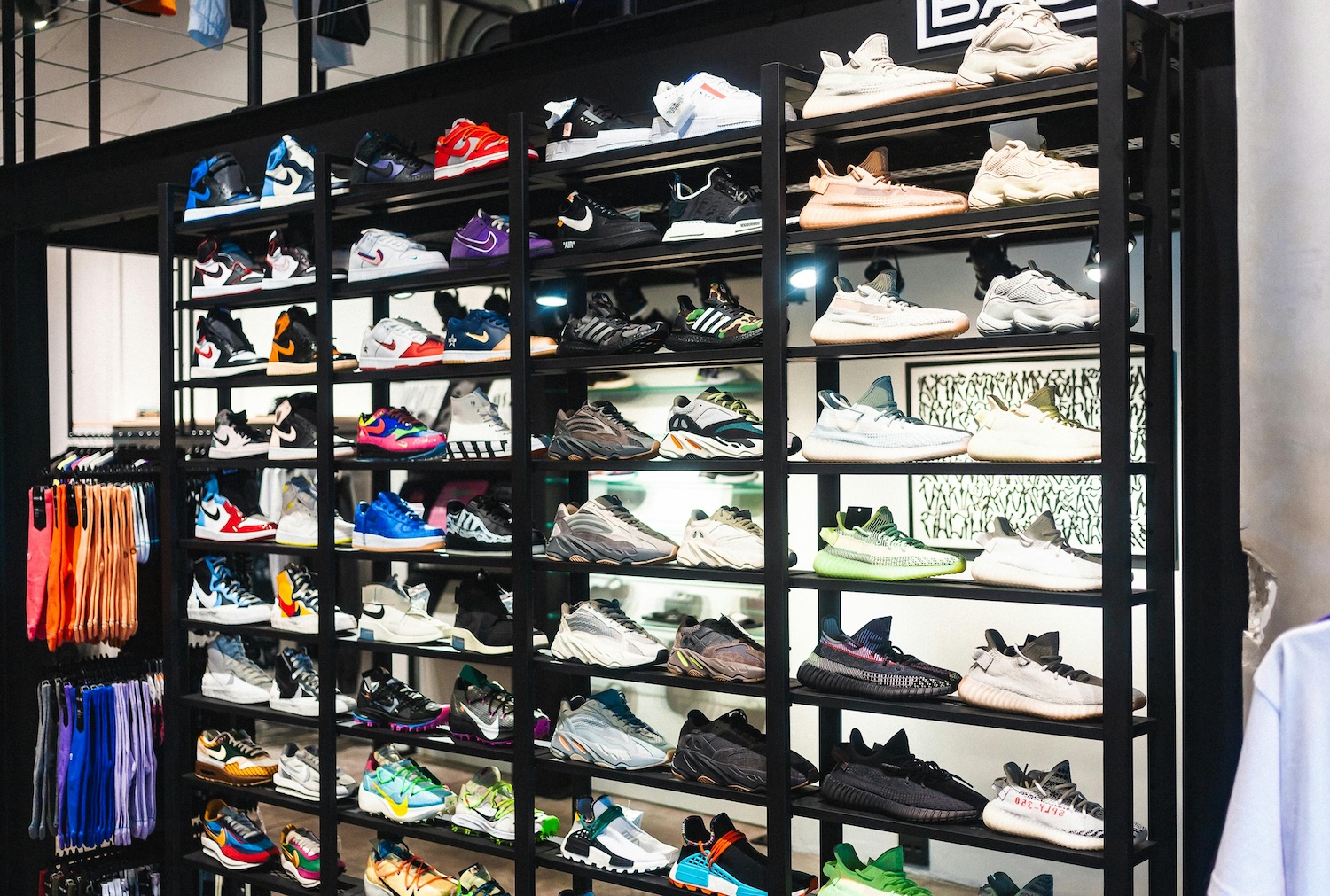
Modern NBA stores are also designed to offer more than just products on shelves. Many include displays, visuals, and themed sections that reflect the energy of the game, making the space feel more immersive. Walking into these areas can feel similar to stepping into a basketball environment.
In addition, these environments encourage fans to spend more time exploring. Instead of quickly buying an item, visitors often interact with different sections of the store. This deeper engagement helps build a stronger connection to the league.
Streetwear and Lifestyle Integration
NBA merchandise has gradually become part of everyday fashion. Items like hoodies, trainers, and caps are worn not only by fans but also by people interested in street style. This blending of sport and fashion makes NBA products more widely accepted.
This shift also makes it easier for new audiences to connect with the culture. Someone might start wearing NBA clothing for style reasons and later develop an interest in the sport. This natural entry point helps grow the fan base over time.
Community Building
Retail stores often serve as meeting points for fans. Events like product launches and special gatherings create opportunities for people to come together, share experiences, and connect in a common space. These occasions create opportunities for conversation and connection. Over time, this helps form a sense of community among supporters.
In addition, repeated interactions strengthen these bonds. Seeing familiar faces at events or in stores can build a feeling of belonging. This makes the experience more personal and enjoyable. As a result, retail spaces contribute to the social side of being an NBA fan.
Digital and Social Media Synergy
Retail today is closely linked with online platforms and social media. Products are often promoted through posts, videos, and influencer content. This keeps fans informed and engaged, even when they are not in a physical store.
Moreover, sharing purchases online has become part of fan culture. Posting outfits or new items allows fans to express themselves and connect with others. This creates a cycle where retail and social interaction support each other.
Style in Play
NBA retail stores play a key role in shaping fan culture. They help fans stay engaged throughout the season, maintaining a sense of excitement and connection. Merchandise also gives fans a way to express their identity and build connections with others, both locally and globally.
Retail spaces also highlight player branding, lifestyle trends, and immersive experiences that strengthen emotional ties to the league. Overall, these stores bring together shopping, community, and digital interaction to create a more connected and active NBA fan base.