


Creating a physical store that attracts customers takes more than just filling shelves with products. Modern shopping is about the experience and how easy it is for people to find what they need. Smart layouts and new technologies help businesses keep up with changing habits. By focusing on smart design, shop owners can turn a simple visit into something memorable.
Flexible Designs for Changing Seasons
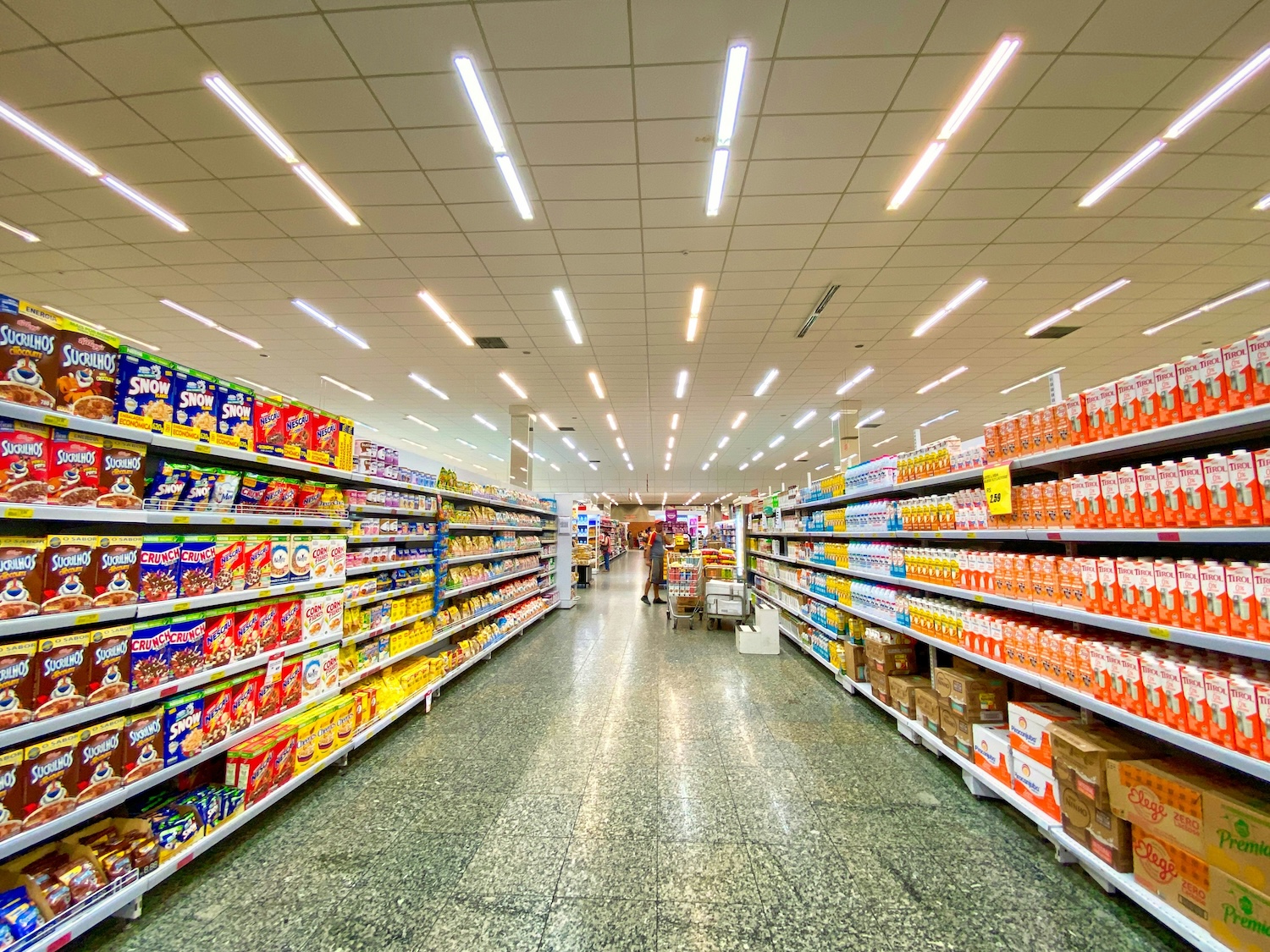
Modern stores need to change as quickly as the trends do. Fixed walls and heavy shelves are becoming less common in new floor plans. Instead, shop owners use modular fixtures and movable walls that can be reconfigured at any time. This setup allows a business to adjust for seasonal sales or new product arrivals without a full renovation.
One recent report noted that stores in 2026 are being built with flexible display systems to handle changing product mixes. Using these versatile tools keeps the environment fresh for repeat visitors. A store that looks different every few months gives people a reason to come back and see what is new.
Using Smart Analytics to Understand Shoppers
Data is a powerful tool for any retail business owner. It helps you see which aisles are busy and which ones people ignore. By tracking how shoppers move, you can place popular items in high-traffic spots. This makes the shopping trip smoother for the customer and can help increase sales.
Modern retail store video surveillance systems play a big part in gathering these helpful insights. New software can track foot traffic and heat maps to show where people spend the most time. Having this information allows managers to make better decisions about where to put signs or special displays.
The Growth of Artificial Intelligence in Retail
Technology is moving fast, and many shops are now using advanced software to help manage their work. This includes everything from automated stock counts to personalized shopping helpers. These systems reduce mistakes and save time for the employees on the floor.
Global Market Shifts
Market research shows that the use of artificial intelligence in the retail world is growing very quickly. Experts believe this market will grow from $15.4 billion to $20 billion by next year. Investing in these tools now can give a business a big advantage over competitors who stick to old methods.
Benefits of Automation
- Self-checkout stations for quick trips
- Mobile payment apps for contactless buying
- Handheld scanners for staff to help customers anywhere
- Digital receipts sent directly to email
When the final step of the journey is easy, customers leave with a positive feeling. This encourages them to return in the future.
Improving the Checkout Experience
Waiting in long lines is one of the main reasons people leave a store without buying anything. Reducing wait times is a top priority for any successful shop. Fast checkout options like mobile payments or self-service kiosks can make a huge difference.
If a customer sees a long line, they might put their items down and walk out. Providing multiple ways to pay keeps the flow of the store moving. Staff can then focus on greeting people or keeping the shelves organized.
Better Lighting and Atmosphere
The way a store feels can change how much time a person spends inside. Bright, clean lighting makes products look more appealing and helps people read labels easily. Using different levels of light can also guide shoppers toward specific sections or premium items.
Smart lighting systems can adjust based on the time of day. This creates a comfortable mood that matches the outside world. When a shop feels welcoming, people are less likely to rush through their trip. This small change can lead to more browsing and a better overall brand image.
Managing Inventory with New Tech
Keeping track of every item in a large building is a difficult task. If a product is out of stock, you lose a sale and potentially a customer. New scanning systems help keep inventory counts accurate in real time.
Real-Time Updates
Automation helps staff spend less time in the back room and more time helping people. When the system knows exactly what is on the shelf, it can order more before the supply runs out. This keeps the shelves full and ensures that shoppers always find what they are looking for.
Reducing Human Error
Manual counting often leads to mistakes in the books. Digital systems remove the guesswork and provide a clear picture of what sells best. This helps owners spend their money on products that people actually want to buy.
Security Solutions for Modern Problems
Protecting a business is about more than just locking the doors at night. Shop owners must deal with theft and internal errors that can hurt their profits. Modern security setups use high-definition cameras and smart sensors to watch over the inventory.
- High-definition cameras for clear footage
- Motion sensors for after-hours alerts
- Integrated alarms that sync with mobile phones
- Facial recognition to identify repeat offenders
These systems do more than just record video; they can alert staff to suspicious behavior immediately. Using high-tech tools helps create a safer environment for both workers and shoppers. A secure store is a more profitable store in the long run.
Creating Interactive Product Displays
People like to touch and try products before they spend their money. Interactive displays allow shoppers to engage with items in a way they cannot do online. This might include screens that show how a product works or stations where they can test a gadget.
These stations turn a chore into an activity. When customers interact with a display, they build a connection with the brand. It makes the physical store a destination rather than just a place to pick up supplies.
Staff Training and Modern Tools
Equipping employees with the right gadgets is just as important as the store layout. If a worker has a tablet, they can check stock levels without leaving the customer’s side. This level of service is what keeps people coming back to physical locations.
Training should focus on how to use these new systems effectively. When the staff is confident with the technology, the customer has a better experience. It bridges the gap between digital convenience and personal service.
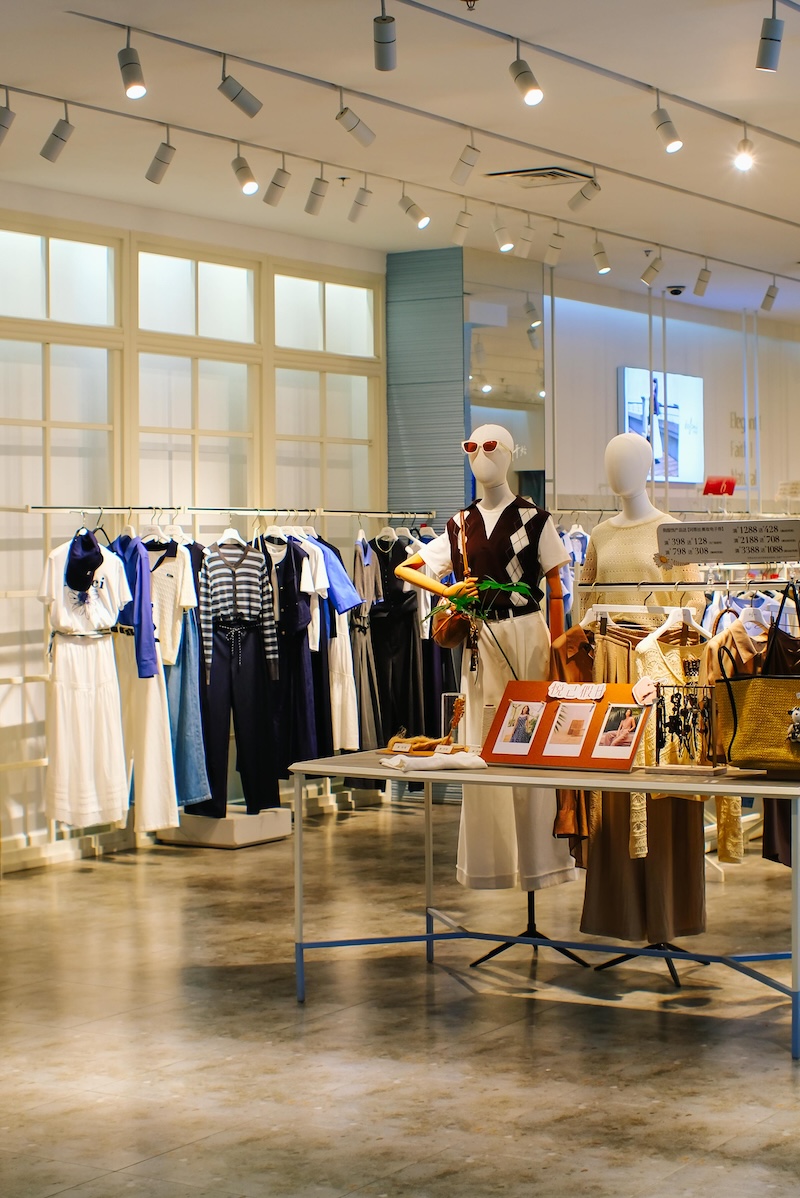
Optimizing a retail space is a continuous process of learning and adapting. By using flexible designs and smart technology, business owners can create a space that works for everyone. The goal is always to make the shopping trip easy, safe, and enjoyable. Shops that embrace these new solutions will see more loyal customers and better results over time. Moving forward with the right tools ensures that a business stays relevant in a competitive market.