



Most people assume toilet blockages are caused by obvious culprits: wipes, sanitary products, children’s toys, or something accidentally dropped into the bowl. Yet in many Essex homes, the cause is far less dramatic. It is simply too much toilet paper entering the system at once.
Toilet paper is designed to break down in water, but that does not mean it dissolves instantly. When large quantities are flushed together—particularly in older properties, homes with low-flow toilets, or drains that are already partially restricted—it can form a dense mass that catches inside the toilet trap or further along the waste pipe.
A single over-enthusiastic flush may not create an immediate emergency. The problem often develops gradually. Paper begins to cling to a rough section of pipe, a build-up of scale, or a small obstruction already sitting in the drain. Each subsequent flush adds more material until water can no longer pass through freely.
Why Toilet Paper Does Not Always Clear Properly
The idea that all toilet paper behaves the same is misleading. Thickness, ply count, absorbency and the amount used all affect how it travels through a drainage system.
Modern paper can be surprisingly absorbent
Luxury quilted and multi-ply toilet rolls are comfortable, but they can hold a considerable amount of water before breaking apart. Used sparingly, that is rarely an issue. Flushed in large handfuls, however, the paper may compact rather than disperse.
This is especially common in households with young children, where toilet paper is sometimes used generously, or in busy family bathrooms where several flushes happen within a short period. A low-volume cistern may not deliver enough force to move a heavy paper load beyond the first bend in the pipe.
Existing drainage issues make matters worse
In Essex, homes range from Victorian terraces and period cottages to newer developments. Older properties can have ageing pipework, narrow bends, uneven internal surfaces or drainage systems that have seen decades of use. Even a relatively small paper build-up can snag where the system is no longer smooth and free-flowing.
Hard water can also contribute indirectly. Mineral deposits may collect over time in toilets and pipes, creating rough surfaces that encourage waste and paper to catch. Tree roots, displaced external drains and grease entering the wider drainage network can further reduce the available space for wastewater to move.
The Difference Between a Temporary Slow Flush and a Developing Blockage
A toilet that flushes slowly once is not always a cause for alarm. It may simply be dealing with a larger-than-usual load. Repeated warning signs, though, should not be ignored.
Common indicators include:
- Water rising unusually high in the bowl before draining away
- Gurgling sounds from the toilet, bath or nearby sink
- A weak flush that leaves paper behind or requires a second attempt
- Unpleasant odours coming from the bathroom or outside drain
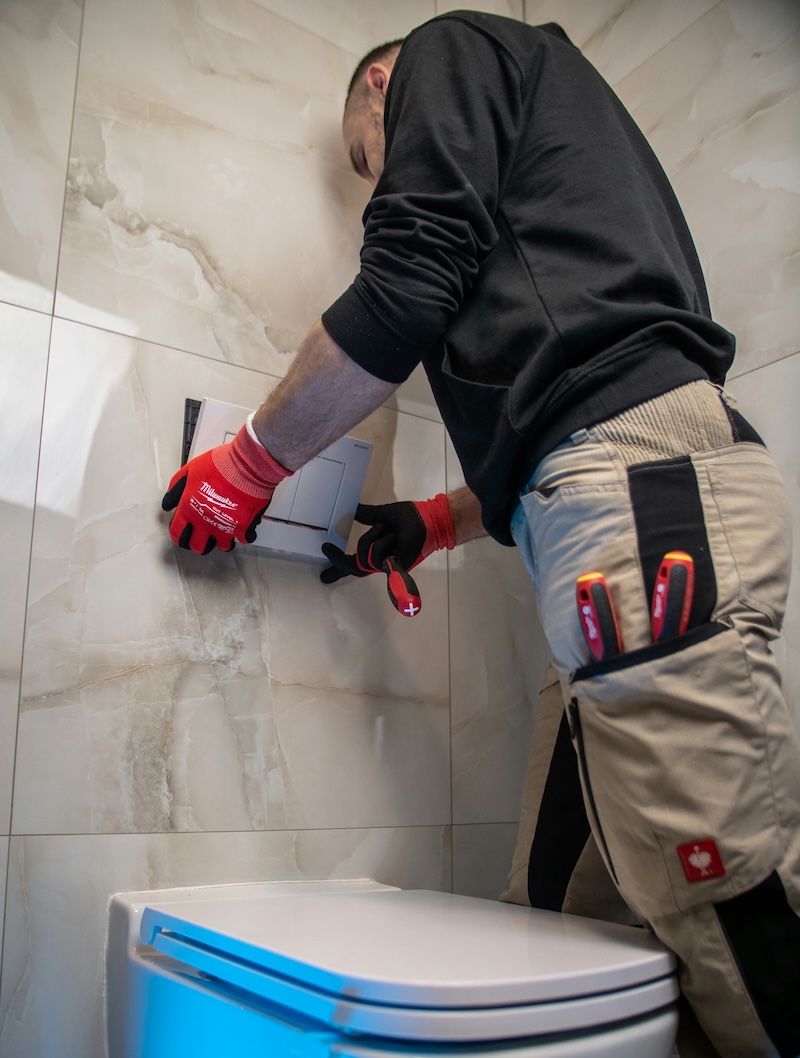
When these symptoms persist, repeatedly flushing is rarely the answer. It can force water over the rim, push a blockage deeper into the pipework, or reveal that the issue lies beyond the toilet itself. In that situation, homeowners may need expert blocked toilet solutions to identify whether the obstruction is in the pan, the internal waste pipe or the external drainage run.
Why “Flushable” Does Not Mean Trouble-Free
One of the most persistent causes of toilet blockages is the assumption that products labelled “flushable” will behave like toilet paper. Many do not break down at the same speed, even if they eventually pass through the toilet.
Moist wipes are the best-known example. They can wrap around a wad of toilet paper, creating a tougher obstruction than paper alone. Cotton pads, kitchen towel, tissues and paper towels are also problematic because they are made to retain strength when wet.
The simplest rule is a practical one: only human waste and toilet paper should go down the toilet. Even then, the paper should be used in sensible quantities. If a larger amount is needed, flushing midway through can prevent the bowl and pipework from becoming overloaded.
What to Do When Paper Has Caused a Blockage
A minor toilet-paper blockage can often be resolved without harsh chemicals or panic. Start by giving the water level time to settle. If the bowl is close to overflowing, do not flush again.
A toilet plunger with a flange is usually more effective than a standard sink plunger because it creates a better seal around the toilet outlet. Use steady, firm movements rather than aggressive splashing. The goal is to dislodge the compacted paper and restore normal flow, not simply force water around it.
If plunging does not work after several attempts, stop. Repeatedly adding water, bleach or chemical drain cleaner can make the situation worse. Strong chemical products may damage seals, irritate skin and eyes, and create a hazardous environment if a drainage professional later needs to inspect the pipe.
A toilet auger can help with a blockage close to the pan, but it must be used carefully to avoid scratching porcelain or damaging internal components. If there is any doubt about the location of the blockage, professional assessment is the safer route.
Prevention Is Usually Easier Than Repair
The most effective way to avoid paper-related blockages is to treat the toilet as part of a drainage system rather than a bottomless disposal point. That means moderating paper use, keeping bins available for wipes and hygiene products, and teaching children what should and should not be flushed.
It is also worth paying attention to changes in how the toilet behaves. A weak flush, recurring gurgling or a bowl that regularly needs plunging may point to a developing issue further down the line. Addressing it early is far less disruptive than dealing with an overflow, a backed-up drain or wastewater entering the home.
Too much toilet paper may sound like a minor problem, but in the wrong circumstances it can expose weaknesses in a property’s drainage system. A little care with what goes down the toilet—and a prompt response when warning signs appear—can keep an everyday convenience from becoming a messy household emergency.