



Commerce media is growing up, as this year’s DMEXCO made clear. At one of Europe’s biggest digital marketing and technology events, there was less excitement about the next shiny object and far more interest in the foundations behind it that drive growth: strong infrastructure, smarter automation and shared standards.
For an industry looking for its next phase of growth, these were exactly the right conversations, and for commerce media, it was a sign of real maturity. A trend reinforced the by the recent prediction from IAB Europe that European Retail Media ad spend is forecast to reach €32.7 billion by 2030.
Built for growth, not just for show
Coding tools powered by AI have become far more user friendly, and that’s made many people sceptical of front-end tooling that looks impressive but doesn’t hold up under scrutiny. This led to questions about infrastructure: which markets a platform operates in, how fast it runs, the size of its customers and the volume of data it ingests. This is a healthy shift and indicates media buyers are looking past the interface to the fundamentals behind the technology.
The question on repeat was: how do brands keep driving growth in today’s macroeconomic environment? For a long time, adding revenue has meant adding people, in an almost linear relationship. Many businesses recognise that the way things are built today simply isn’t sustainable.
The conversations pointed to a few answers: better access to demand, stronger yield and growth that no longer depends on adding headcount. Automation and ready-made packages could open the mid-market and long tail, while live intent data gives commerce media a strong case to make to a wider range of advertisers.
Self-serve or managed service
The most candid discussions were about self-serve. Businesses have built vast amounts of technology, yet much of it is still run as a managed service. Many business leaders wanted to understand if they were alone in this, which they aren’t. Brands and agencies are often time-poor and struggle to fit in learning new systems. So internal teams end up running campaigns through a tool designed for an external user, sometimes alongside other disjointed systems.
If that’s the reality, it may make more sense to adapt the platform for the people actually using it. Agentic tools and automation came up repeatedly to solve this, particularly for reaching mid-market and long tail customers. If those campaigns are still going to be managed, they need to be simple to package and deliver.
Beyond retail: Attribution, intent & alignment
The same challenges showed up in automotive. Attribution is still a big question, because the purchase cycle for a car is far longer than for groceries and the conversion is harder to track. For example, brochure requests and test drives have historically been used to generate sales leads. What’s changing is how businesses are building methodologies to treat them as a proxy for conversion, then building in a ROAS. Once that goal is in place, automation can be applied, which again helps with hard-to-service mid-level advertisers.
German price comparison site, idealo, hosted a DMEXCO keynote that summed up commerce media’s biggest strength. Its CEO, Jovan Protić, said that “intent eats demographics for breakfast.” Commerce media networks sit on live intent data, and those signals are valuable to a wide range of advertisers, which remains a huge opportunity to be seized.
Compared with Cannes Lions a few months ago, one thing had clearly moved on: awareness of IAB Europe’s Commerce Media Measurement Standards and it’s work on standardisation, including common terminology and attribution windows included in its updated standards. There seemed to be a real move to align behind them, which is positive.
The questions now are less about what a commerce media platform looks like and more about whether it can scale: the infrastructure underneath, automation that makes smaller advertisers viable to serve and measurement the industry can agree on. The businesses that get those foundations right will be the ones that keep growing.
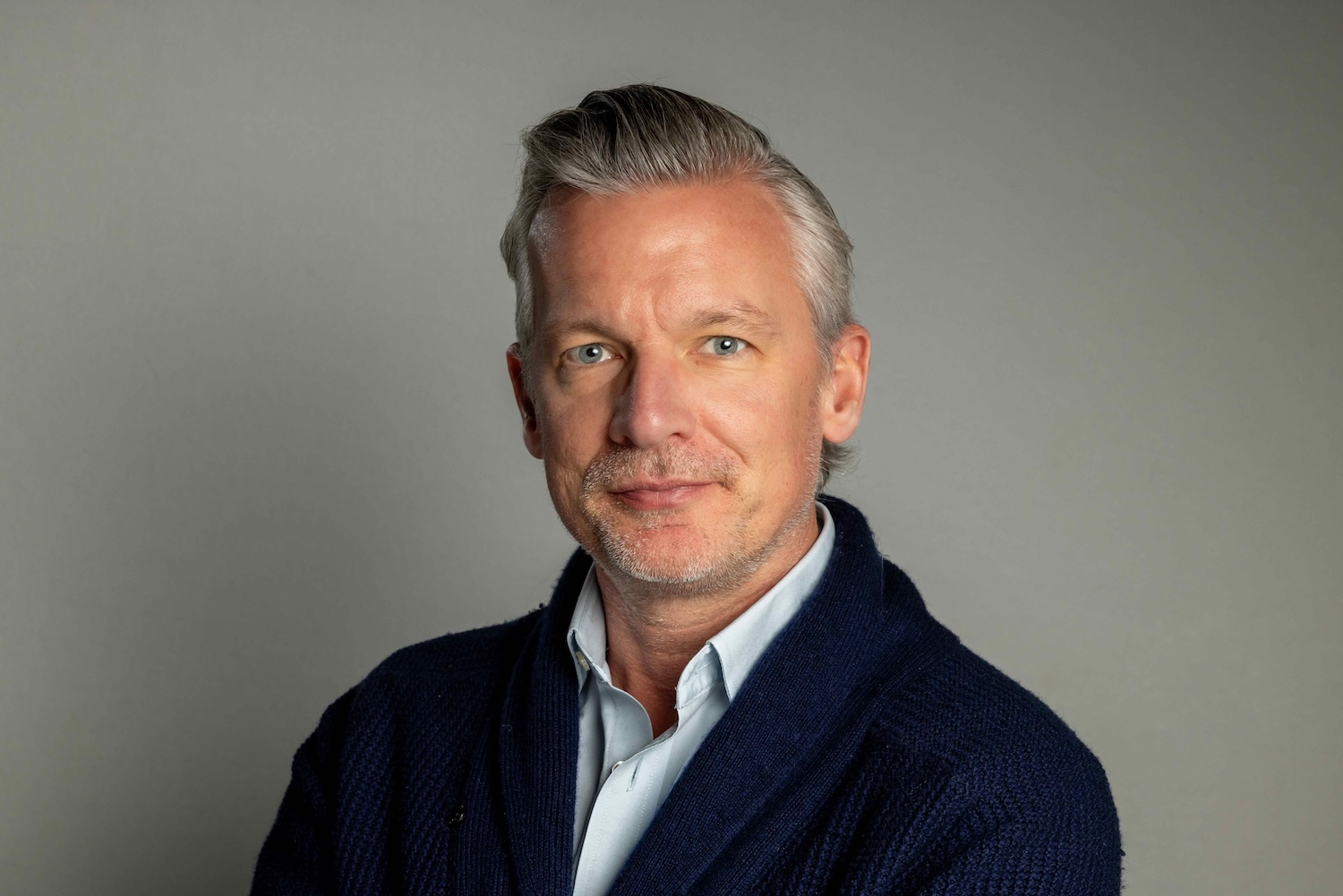
Paul Dahill is Managing Director EMEA Sales at Koddi. For more information visit: koddi.com