



Retail-ready packaging has to do two jobs that can pull in different directions. It needs to travel through the warehouse without creating damage or delay, then arrive on the retail floor ready to present the product properly.
The trouble starts when the packaging is designed for only one of those moments. A format can look clean on shelf but slow the replenishment team. It can survive the journey but leave the display untidy once the outer case is removed. Neither outcome is a small detail when the same product moves through stores week after week.
The handover is where the specification is tested
The handover from distribution centre to shelf is the point where a weak specification becomes visible. Store teams are working to keep availability high, so they need a pack that opens cleanly, identifies the product quickly and sits in the right orientation without extra handling.
That means the opening method matters as much as the printed face. Perforations need to separate predictably. Tear strips should not leave rough edges across the presentation panel. The inner tray needs enough strength to hold the product while still being simple to place.
If staff have to cut, re-fold or tidy every case before it reaches the shelf, the format is adding labour that the total packaging cost includes but the original unit-price comparison did not capture.
Transport protection and shelf presentation are connected
It is tempting to treat transit protection as one requirement and retail presentation as another. The same packaging controls both.
Board grade, case construction and product fit determine whether the pack stays square in storage and during delivery. Print position and opening design determine whether it becomes a consistent display at point of sale. Changing one element without testing the other can create problems later in the route.
For example, reducing material may look like an immediate saving. It is only a saving if the pack still protects the product and holds its shape through the delivery process. A damaged outer case is not just a warehouse issue. It can weaken shelf presentation before the customer has even seen the product.
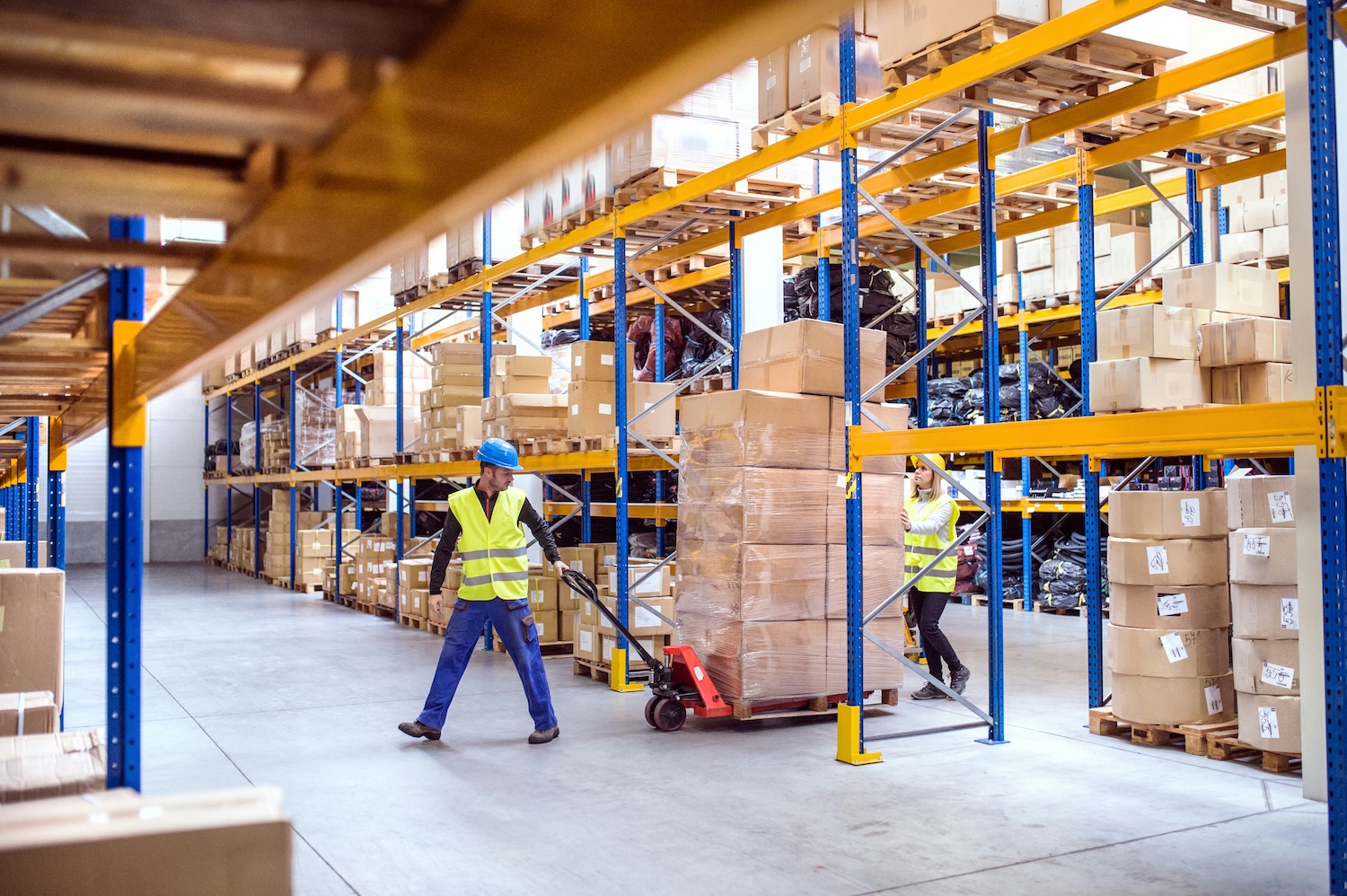
Replenishment teams need clear visual cues
Retail operations depend on people finding the right product and placing it correctly at speed. Packaging can make that easier or harder.
Clear product identification, visible orientation marks and consistent case dimensions reduce the chance of a product being placed incorrectly. Where a format contains several variants, the visual difference needs to be obvious in a busy stock room as well as on a clean studio proof.
The best designs do not make store staff stop and work out what to do. They make the correct action feel obvious.
Test the format in the conditions it will face
A flat sample cannot show how retail-ready packaging behaves after stacking, delivery and handling. A useful test follows the same sequence as the real product: erect the pack, load it, close it, store it, move it, open it and place it on shelf.
That process often reveals issues that are not visible in a drawing. A tear line may open unevenly after compression. A tray may be awkward to grip when wearing gloves. The print may look balanced until the outer section is removed. These are not finishing touches. They decide whether the design works at scale.
The retail test is not just a brand test
National retailers and brand owners want consistency, availability and a product that looks right when the customer sees it. Those outcomes begin with a packaging specification that respects the warehouse and the store in equal measure.
Well-designed retail ready packaging makes the final handover simpler. It protects the product on the way in, reduces unnecessary handling and gives the retail team a format they can use without improvising.