

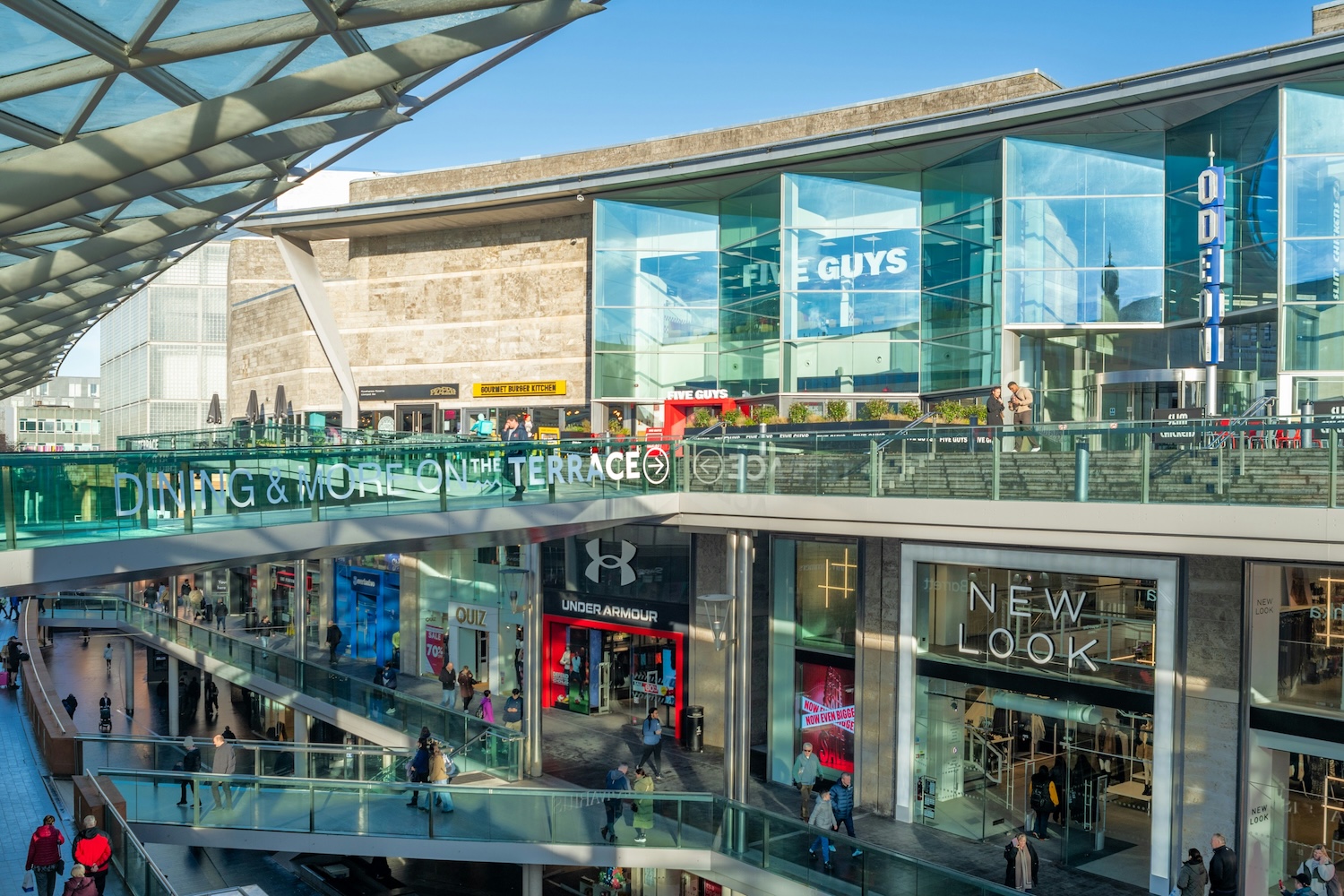


Retail teams are no longer supported by shop floor design alone. From head office and store administration areas to hybrid support teams managing ecommerce, stock systems and customer communications, the modern retail workplace has become a vital part of how brands operate. A well-designed retail workspace should support focus, collaboration and staff wellbeing, while also helping teams work securely across increasingly digital operations.
Creating layouts that support retail operations
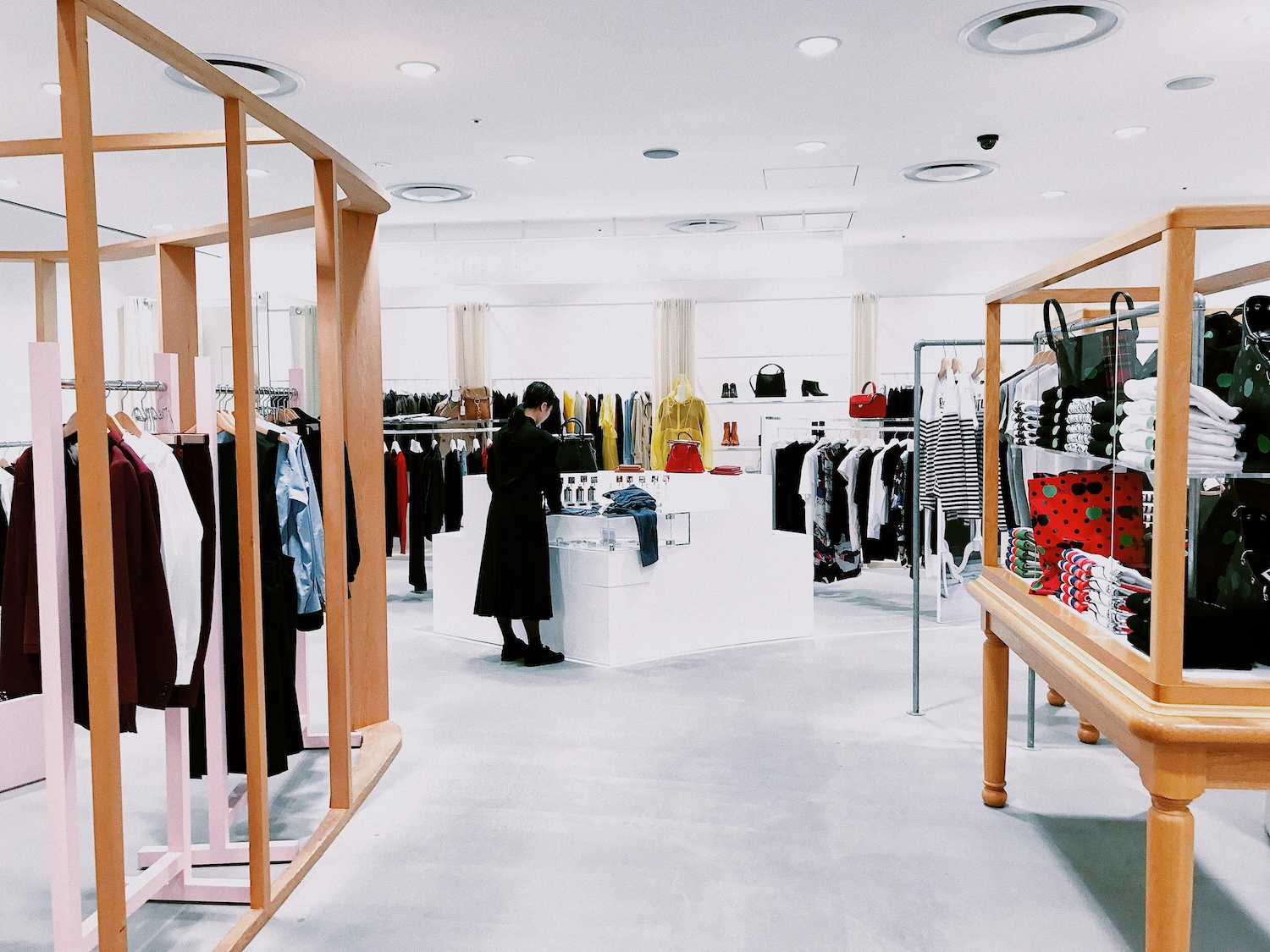
The layout of a retail workspace can have a direct impact on how efficiently teams complete daily tasks. Back-office areas, stockroom desks and head office workstations should be arranged to minimise unnecessary movement, reduce distractions and make essential tools easy to access. Natural light, where available, can help create a more comfortable working environment, while clear desk zones can support focused tasks such as rota planning, order management, reporting and campaign coordination.
For retailers managing both physical and digital channels, flexibility is especially important. A workspace may need to support store managers completing admin, visual merchandising teams planning seasonal displays, or ecommerce staff joining virtual meetings with suppliers. Defining clear areas for focused work, team conversations and quick operational updates can help create a more efficient environment without compromising the pace of retail.
Design features that improve comfort and brand consistency
Retail workspaces should be practical, but they also offer an opportunity to reinforce brand identity. Colour palettes, materials and finishes can reflect the wider store environment, helping staff-only areas feel connected to the customer-facing brand. Durable furniture, easy-clean surfaces and adaptable storage are particularly useful in busy retail settings where spaces need to remain professional, organised and resilient.
Ergonomic furniture is also worth prioritising, particularly for teams spending long periods on scheduling, merchandising systems, customer service platforms or ecommerce tools. Supportive seating, correctly positioned screens and well-planned desk heights can reduce discomfort and help employees stay focused. Storage should be functional rather than decorative, with space for paperwork, devices, signage materials and operational documents that need to be accessed quickly.
Keeping retail workspaces organised and efficient
Clutter can slow down decision-making and make it harder for retail teams to respond quickly during busy periods. Keeping desks, stockroom admin areas and shared workstations clear helps create a calmer environment and ensures important information is easier to find. Simple systems for paperwork, returns documents, delivery notes and campaign materials can make a noticeable difference to day-to-day productivity.
Cable management is another simple improvement that can make retail workspaces safer and more professional. Concealing wires around tills, office desks or shared devices helps reduce visual clutter and potential trip hazards. Layering different types of lighting can also help teams move comfortably between screen-based tasks, paperwork and collaborative discussions throughout the day.
A more efficient retail workplace also depends on how well teams manage the systems behind day-to-day operations. Scheduling tools can help coordinate shifts, while communication platforms such as Slack support quick updates between teams. HR platforms such as SenseHR can sit alongside these tools to manage employee records, attendance, absence, onboarding, and other routine workforce processes. Keeping both the physical workspace and the systems behind it organised can make it easier for teams to work consistently across different locations.
Protecting privacy across retail systems
As retail operations become more connected, workspace design should also account for digital security. Teams may be accessing customer records, supplier portals, ecommerce dashboards, inventory systems or staff scheduling platforms from multiple locations. Strong passwords, two-factor authentication, regular software updates and secure Wi-Fi networks all help reduce the risk of exposing sensitive business or customer information.
Retailers should also encourage staff to understand how privacy-focused tools and secure browsing habits work, particularly when teams are researching suppliers, reviewing online platforms or working remotely. Learning how the Tor browser works can provide useful context around anonymous browsing and the technologies designed to protect personal information online. While these tools may not be necessary for every retail role, better digital awareness can help teams make more informed security decisions.