


Retail square footage is expensive, and dead stock kills margins. Discover why shifting a portion of your open-to-buy budget toward high-turnover, sensory consumables is the smartest way to drive repeat foot traffic and maximise your store’s profitability.
Retail square footage is expensive. Every part of your sales floor needs to generate consistent revenue to justify its overhead. You cannot afford to leave too much capital tied up in slow-moving stock. Many independent shop owners over-index on high-ticket durable goods. A customer might buy a beautiful ceramic vase once, but they are unlikely to need another one soon. That limits repeat purchasing. Allocating a portion of your open-to-buy budget to consumable lifestyle products changes this dynamic. Customers return specifically to replenish what they burn, eat or use up.
Why sensory merchandise drives repeat foot traffic
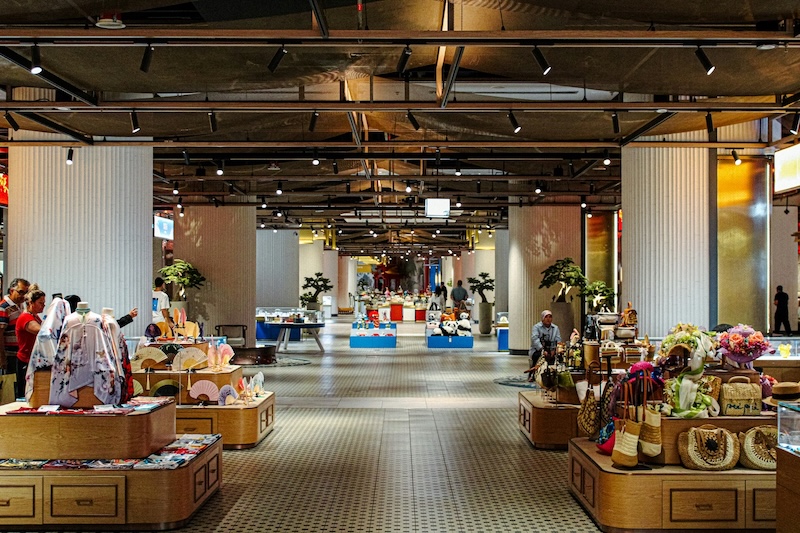
Visuals pull people through the door, while scent can encourage them to explore a display more closely. Consumable items such as artisanal soaps, incense and wax products create an immediate, tactile response. Shoppers pick them up, smell them and engage with them before making a decision. However, keeping these displays full can be a constant operational challenge.
Sourcing these items efficiently requires partners that maintain predictable stock levels. If you are a retailer, you can buy candles in bulk from Phoenix Import, a wholesale supplier. Working with a consistent vendor can reduce the risk of empty shelves during busy trading periods. Retailers need the ability to reorder quickly and receive products that match previous batches. Missing weekend sales because replacement stock takes several weeks to arrive can easily send customers elsewhere.
Balancing premium margins against accessible entry prices
Pricing strategies determine whether a product gathers dust or sells consistently. Consumables occupy a useful psychological space for shoppers. They can function as an accessible luxury. A customer who hesitates over an expensive coat may still add a scented item to their basket because it feels like a low-risk treat. Independent shops also need a healthy margin mix. Stocking only low-margin products can make it difficult to cover operating costs.
Deciding which price tier to stock is a frequent hurdle for buyers. Should you focus on premium products or prioritise sales volume? Each approach has advantages and disadvantages.
- Pros of premium-tier goods: Higher profit per unit. They can elevate the overall aesthetic of the shop, and customers may view them as suitable gifts.
- Cons of premium-tier goods: Slower inventory turnover. Staff may need to explain the quality of the ingredients, materials or production process.
- Pros of entry-level volume goods: Faster sales cycles and strong impulse-purchase potential at the checkout.
- Cons of entry-level volume goods: Retailers need to sell more units to generate meaningful profit. Lower-cost packaging can also conflict with a premium store aesthetic.
Blending the two is often the safest approach. Stock a high-volume anchor product to encourage regular purchases, then position a premium alternative next to it to create a natural upselling opportunity.
Visual merchandising tactics that accelerate inventory turns
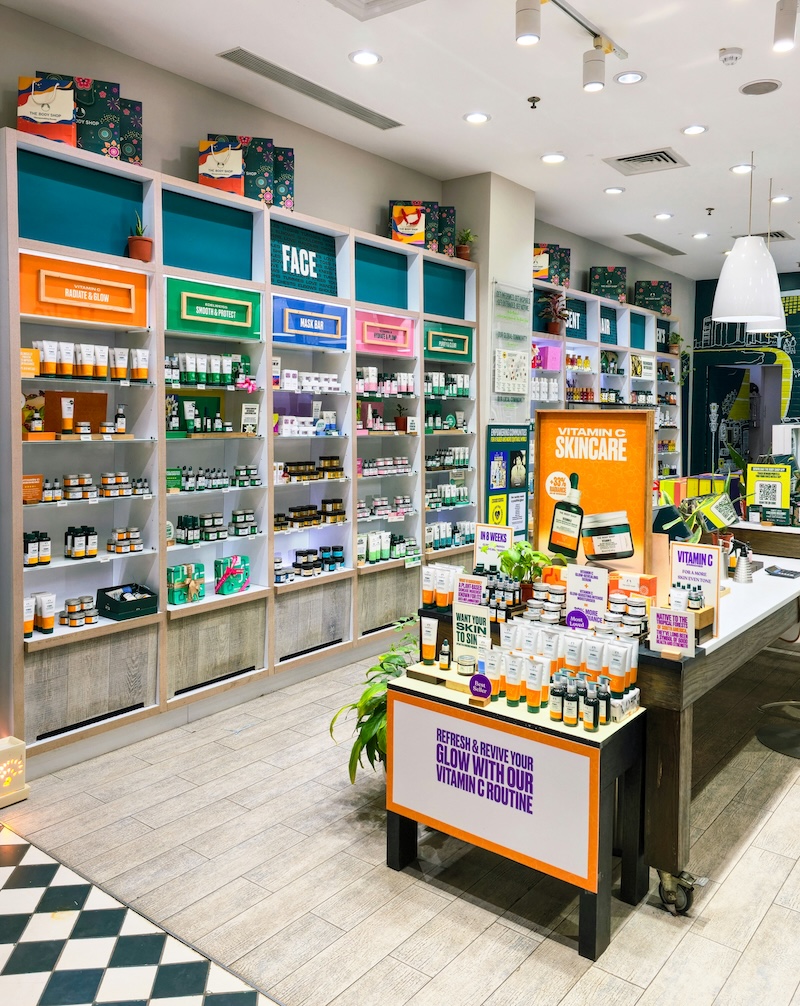
Placing products on a flat shelf without a clear structure may limit their impact. Shoppers often respond to the lifestyle or atmosphere an item represents before focusing on its unit price. Grouping consumables by colour or scent profile creates visual blocking and helps a display attract attention. A coordinated group of amber glass jars looks intentional, while a few unrelated products scattered across a table can appear like leftover stock.
Cross-merchandising can also be more effective than keeping every category separate. Place relaxation-focused consumables next to loungewear. Position energising citrus scents near activewear or bright home décor. This helps shoppers understand how products fit into a particular lifestyle or routine. Presenting complementary items together can encourage customers to purchase more than one product and increase units per transaction.
Rethinking your open-to-buy allocations this quarter
Holding some cash in reserve gives retailers greater flexibility. Avoid committing the entire seasonal budget to durable goods at the start of the buying cycle. Maintaining a proportion of the budget for replenishment allows you to respond to what is actually selling on the shop floor.
If a particular fragrance profile begins selling faster than expected, available capital lets you increase the inventory position while demand remains strong. Retail moves quickly, and customer preferences can change throughout a season. A flexible buying strategy makes it easier to react to those shifts before the opportunity passes.