


Pet wellness has moved firmly into the mainstream. Owners now think about diet, exercise and mental stimulation in much the same way they consider their own health. Hydration sits at the heart of that shift, because water intake affects everything from kidney function to energy levels in cats and dogs.
That focus explains a clear trend in the pet accessory market: the humble bowl is losing ground. Stainless steel pet fountains and other modern pet drinking fountain designs are replacing static bowls in homes across the country. By keeping water moving and filtered, these products encourage pets to drink more often and keep water fresher for longer. The result is a practical upgrade that supports better pet hydration without asking much of the owner.
Why Hydration Matters for Cats and Dogs
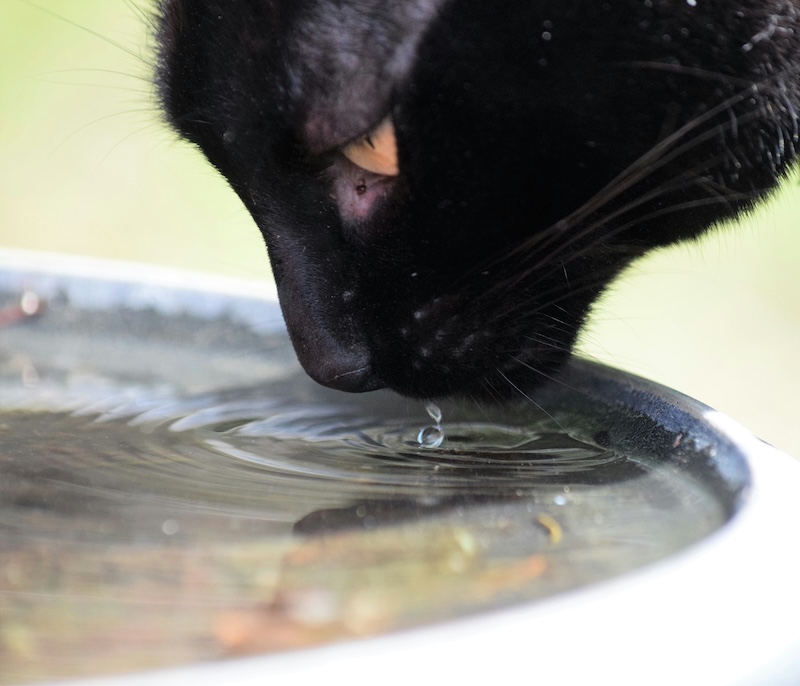
Many pets simply don’t drink enough. Cats in particular evolved to get most of their moisture from prey, so they often show little interest in a still bowl of water. Dogs can be inconsistent drinkers too, especially in warmer months or after exercise.
Poor hydration is linked to real health concerns. Adequate water intake supports kidney and urinary health, helps prevent crystal formation and eases digestion. Vets frequently encourage owners to find ways to increase how much their animals drink.
Water quality plays a part as well. A bowl left out for hours becomes stagnant, collecting dust, hair and bacteria. A fountain keeps water circulating, which slows this build-up and keeps the taste fresher.
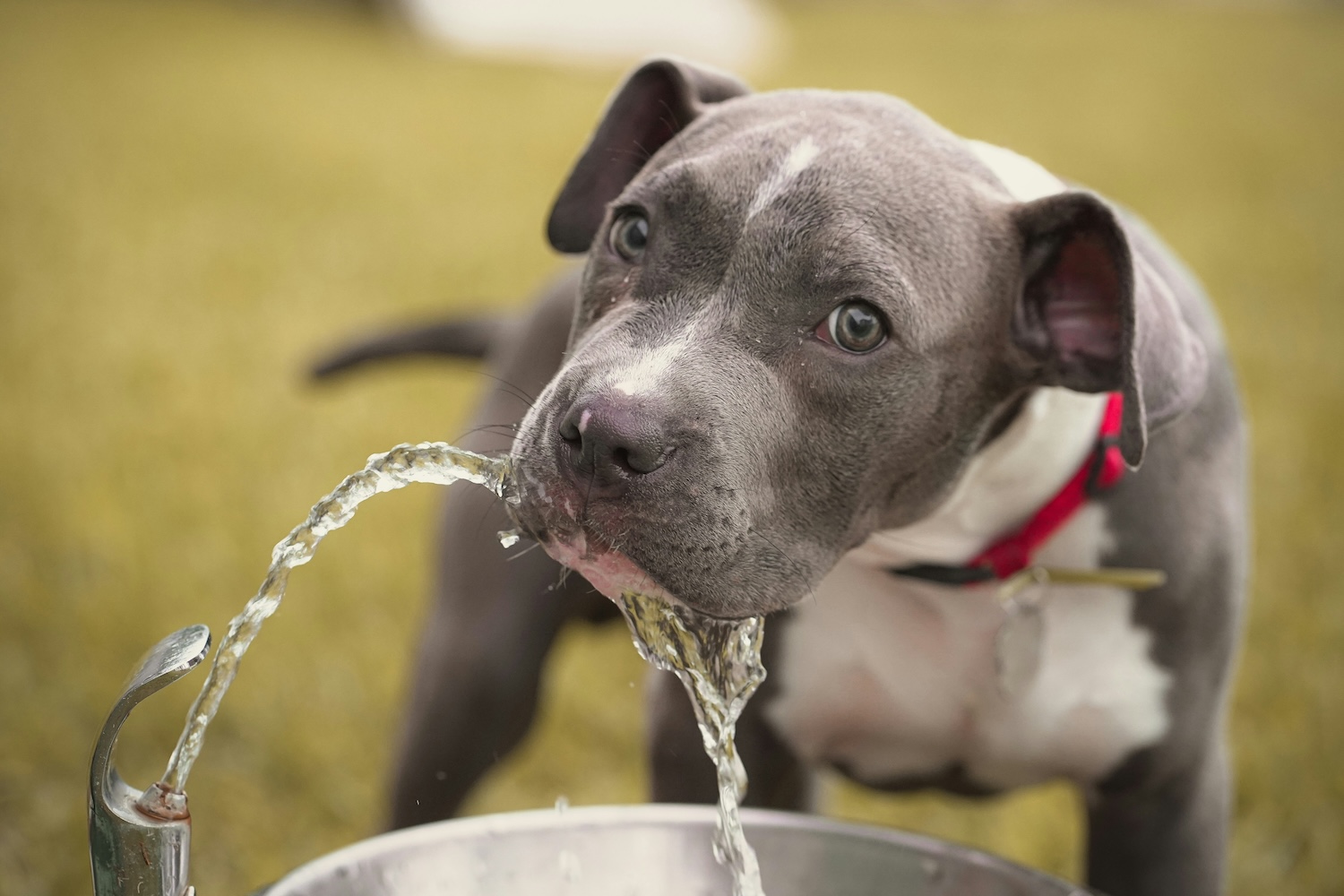
There is also an instinctive draw. Animals often associate moving water with a clean, safe source, which is why so many pets are fascinated by dripping taps. A flowing bowl taps into that natural preference and gently nudges reluctant drinkers to take more frequent sips.
What Makes Stainless Steel Pet Fountains Different?
The material matters more than many buyers expect. Most stainless steel pet fountains use food-grade steel, the same standard applied to kitchen equipment. This surface is non-porous, so it resists the tiny scratches and cracks where bacteria tend to gather.
Rust resistance is another advantage. Quality stainless steel holds up well against constant moisture, which is exactly the environment a fountain creates. That durability means a well-made unit can last for years rather than showing wear within months.
Cleaning is noticeably easier. Steel wipes clean quickly and can be sanitised without absorbing smells or stains. For anyone running a multi-pet household, where a pet drinking fountain sees heavy daily use, that hygiene benefit adds up fast.
There is a design factor too. Steel has a sleek, modern appearance that blends into contemporary kitchens and utility areas, which appeals to owners who care how their home looks. A stainless steel cat water fountain or dog drinking fountain often doubles as a discreet piece of homeware rather than an obvious plastic gadget.
Stainless Steel vs Plastic Pet Drinking Fountains
Plastic remains the most common option on the market, largely because it is cheaper to produce. The differences become clear once you compare the two side by side.
| Stainless Steel | Plastic |
| More hygienic | Can scratch over time |
| Easy to sanitise | Harder to deep clean |
| Odour resistant | Can retain smells |
| Durable | More prone to wear |
| Premium appearance | Basic finish |
Plastic fountains can develop fine scratches through everyday cleaning, and those grooves give bacteria somewhere to settle. Some owners also report a lingering smell that no amount of washing seems to shift. Steel avoids both problems, which is why it is increasingly seen as the more considered long-term choice.
Features to Look for When Buying a Pet Drinking Fountain
Not every fountain is built to the same standard. A few features separate a good automatic pet water fountain from a frustrating one.
- Quiet pump. A near-silent pump matters, since a noisy motor can put nervous cats off entirely.
- Replaceable filters. A filtered pet fountain removes hair, debris and some impurities, so easy-to-source replacement filters are worth checking before you buy.
- Large water capacity. A bigger reservoir means fewer refills and reliable hydration for larger dogs or several pets.
- Low-energy operation. Fountains run continuously, so an efficient pump keeps running costs low.
- Easy disassembly. The fewer awkward parts, the simpler cleaning becomes.
- Dishwasher-safe components. This saves time and helps maintain proper hygiene.
- Non-slip base. A stable base stops enthusiastic drinkers from pushing the unit around the floor.
Weighing these features against your pet’s size and habits will point you toward the right model.
Why They’re Growing in Popularity
The rise of stainless steel pet fountains reflects wider shifts in how people shop for their animals. Premium pet care is now a significant retail category, with owners willing to spend more on products that improve daily life.
Much of this is driven by the humanisation of pets. Animals are increasingly treated as family members, and owners apply the same expectations to pet products that they hold for their own homeware, from quality materials to attractive design.
Sustainability adds another layer. Steel is durable and recyclable, which appeals to shoppers who want to move away from disposable plastic. A product that lasts for years and can be recycled at the end of its life fits neatly with that mindset.
Finally, there is a broad appetite for higher-quality home accessories. Buyers upgrading from a basic bowl often want something that performs well and looks the part, and retailers stocking premium ranges are responding to that demand.
Maintenance Tips
A fountain rewards a little regular care, and the routine is straightforward.
- Clean weekly. Take the unit apart and wash each component to prevent slime and residue building up.
- Replace filters on schedule. Follow the manufacturer’s guidance, usually every two to four weeks depending on use.
- Maintain the pump. Rinse the pump and clear any hair from the impeller, as this is where most performance problems start.
- Use fresh water daily. Topping up with clean water keeps taste and quality high between deep cleans.
- Descale when needed. In hard-water areas, an occasional descale with a pet-safe solution keeps the pump running smoothly.
None of this takes long, and consistent upkeep extends the life of the product considerably.
Conclusion
Stainless steel pet fountains bring together the qualities that matter most to modern owners: hygiene, durability and a design that suits the home. By keeping water fresh and flowing, they encourage pets to drink more and support long-term health in a way a static bowl simply cannot.
For anyone weighing up a plastic model against a steel one, the case is practical rather than promotional. A stainless steel pet drinking fountain costs a little more upfront, but its resistance to odours, scratches and wear makes it a sound long-term investment. Balancing convenience, pet wellbeing and lasting value, it is easy to see why steel has become the option so many owners now choose first.