

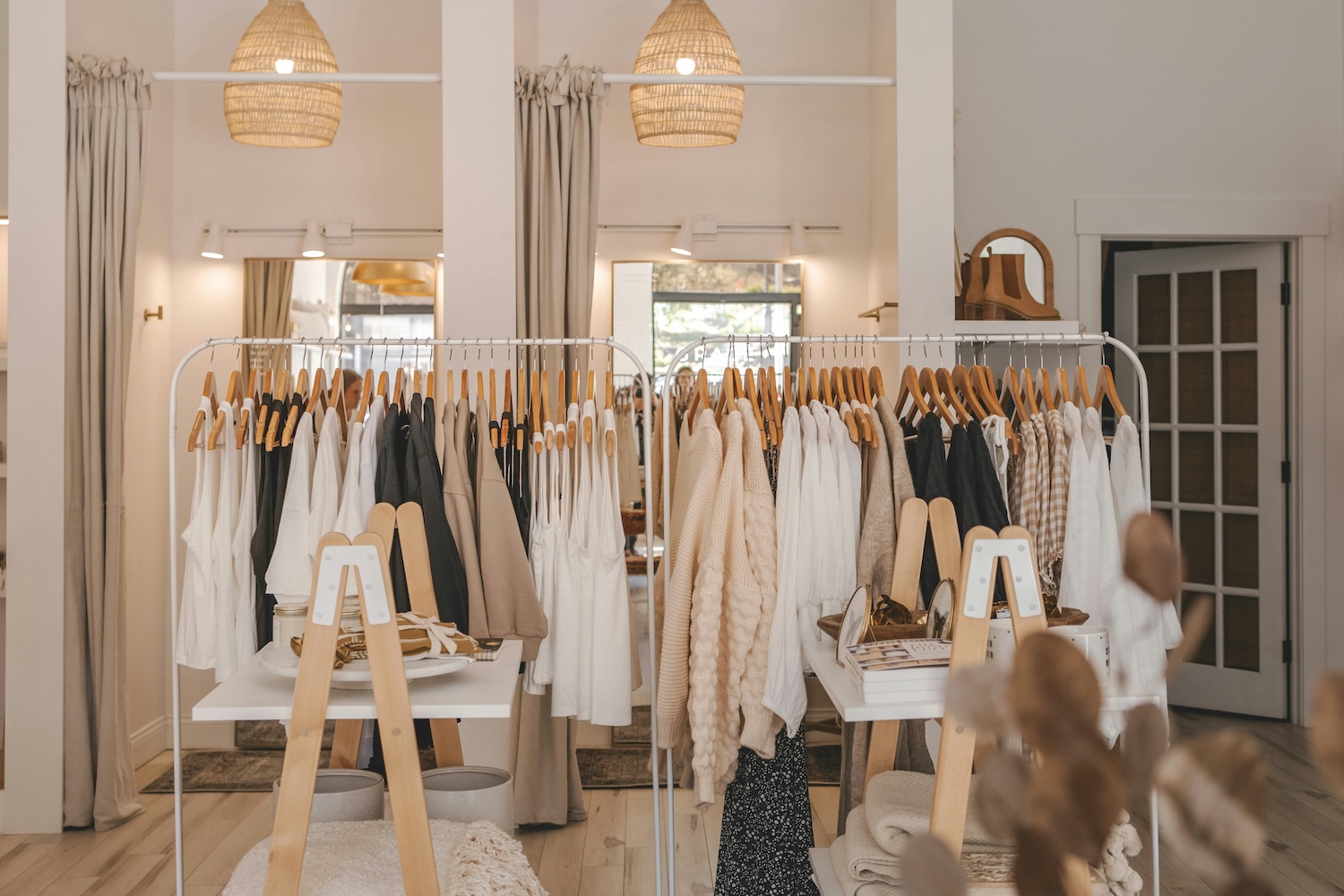


Modern retail design is about more than how a store looks. Lighting, layout, signage, shelving, fixtures and product displays all shape how customers experience a space, but strong retail environments are not purely visual. They are sensory.
Sound is part of that experience. The music playing in a store can influence whether the space feels calm, energetic, premium, familiar or distracting. It can support the pace of the customer journey, reinforce brand identity and create a consistent atmosphere across locations.
Yet music is often treated as an afterthought. A store may spend months refining its visual design, only for the soundtrack to be chosen casually at the final stage. In modern retail, that is a missed opportunity.
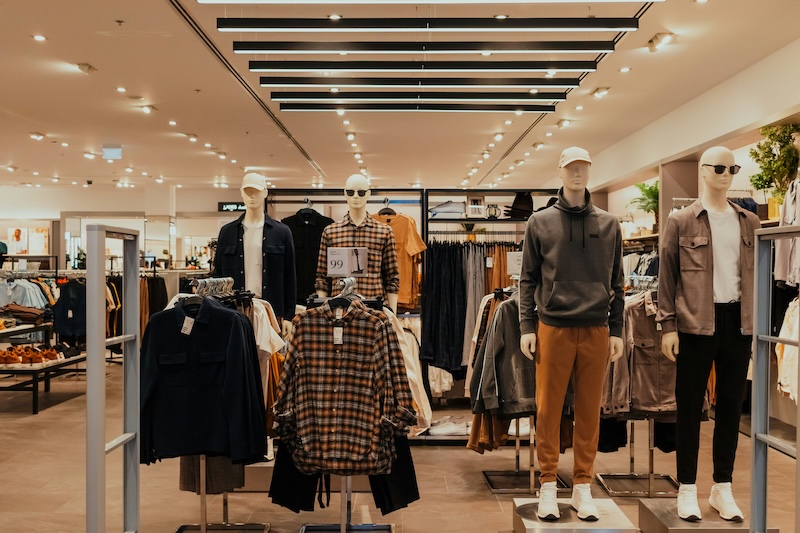
Why Retail Store Design Is More Than Visual Merchandising
When retailers plan a physical store, the focus is usually visual. Designers think about where customers enter, how people move through the space, which products need prominence and how lighting can draw attention. These decisions matter, but they are only part of the overall environment.
A store is not just a place where products are displayed. It is a setting where customers make decisions, compare options, interact with staff and form impressions of the brand. From fixtures and lighting to acoustics and circulation, every part of the store environment contributes to how customers interpret the brand.
Music belongs in that wider design conversation because it affects the mood, pace and perceived character of the space. If lighting sets the visual tone and layout guides movement, sound helps define the emotional atmosphere.
How Background Music Shapes the In-Store Customer Journey
Every retail space has a rhythm. Some stores want customers to slow down, browse and spend time exploring. Others need a brighter, more energetic feel that suits faster purchasing decisions. Music can contribute to that rhythm when chosen with purpose.
The same soundtrack will not work for every retail environment. A fashion boutique, sports retailer, homeware shop and convenience store all have different customer journeys. Some need calm and comfort. Others need pace, energy and movement.
Tempo, genre and volume all help shape whether an environment feels relaxed, lively, premium or rushed. When music is planned properly, it can support the way customers move through the space rather than simply filling silence.
How Music Creates a Better Retail Atmosphere
Customers may not consciously notice the soundtrack in a store, but they often notice when the atmosphere feels wrong. Music that is too loud, repetitive or poorly matched to the brand can make an otherwise well-designed store feel uncomfortable.
Research into sensory details such as music and scent found that in-store music and aroma can influence shopper emotions and satisfaction. This supports a broader point for retailers: sound should be treated as part of the wider retail atmosphere, not as a minor finishing touch.
For retailers, the key lesson is that sound does not work in isolation. It interacts with the rest of the store environment. A calm soundtrack can support relaxed browsing. A more upbeat soundtrack can create energy. A badly matched soundtrack can undermine the visual design.
Matching Retail Music to Brand Identity
Retail music should feel connected to the brand. This does not mean every store needs an unusual soundtrack. It means the music should support the same identity expressed through the interiors, products, staff experience and tone of voice.
A luxury fashion retailer may need something refined and understated. A youth-focused brand may want a more current and energetic sound. A wellness or homeware retailer may benefit from music that feels softer and more relaxed. A sports or lifestyle store may need something with more pace.
The problem comes when music is left to chance. If staff rely on personal playlists or whatever is available, the sound of the store can change from one shift to another. One day the space feels polished and brand-aligned. The next, it feels inconsistent.
For retailers looking to create a more intentional in-store atmosphere, choosing the right music for retail should be considered alongside lighting, layout and visual merchandising.
Why Retailers Should Plan In-Store Music Earlier
Music is often one of the final decisions made before a store opens. That approach can work at a basic level, but it rarely makes the most of what sound can contribute.
Planning audio earlier allows retailers to think about the full experience:
- Brand fit: Does the music reflect the store’s identity?
- Customer pace: Should the space feel relaxed, lively or fast-moving?
- Volume: Can customers browse and speak to staff comfortably?
- Consistency: Will the experience feel coherent across shifts and locations?
- Licensing: Is the music suitable for commercial use?
Rather than relying on informal playlists or consumer streaming accounts, stores need licensed background music for businesses that can support a professional retail environment.
This is especially important for brands with multiple stores. A clear approach to music helps create consistency, while still allowing the soundtrack to suit the audience, location and time of day.
Why Sound Matters for the Future of Physical Retail
Physical retail still has something online shopping cannot fully recreate: atmosphere. Customers can browse products, compare prices and complete purchases online, but a store can offer a sense of place.
As customers become more selective about where they spend their time, retailers need stores that feel worth visiting. Music is not the only part of that process, but it is an important one.
When planned well, music can support the customer journey, strengthen brand identity and help create a more consistent in-store atmosphere. When ignored, it can make even a well-designed store feel incomplete.
Modern retail design should not treat sound as a finishing touch. It should recognise music as part of the environment from the start.