



Trade show exhibiting has always involved a tension between impact and practicality. Maximum visual impact typically meant custom-built structures – impressive on the show floor, expensive to build, expensive to ship, expensive to store, and inflexible enough that changing the graphic meant rebuilding the display. Practicality meant portable systems that packed small and set up fast but looked exactly like what they were – compromise solutions that communicated budget consciousness rather than brand confidence.
That tension hasn’t disappeared. But the technology available to navigate it has improved substantially – and modular lightbox display systems sit at the center of that improvement. The category has matured from novelty to standard consideration in serious exhibitor planning, for reasons that are visible on any well-populated trade show floor where the displays that draw attention are increasingly backlit fabric systems rather than traditional printed graphics.
The shift reflects a genuine change in the value equation – not just aesthetic preference but practical economics that hold up when exhibitors calculate total cost of ownership across multiple events rather than evaluating purchase price in isolation.
What Modular Lightboxes Are And Why Exhibitors Choose Them
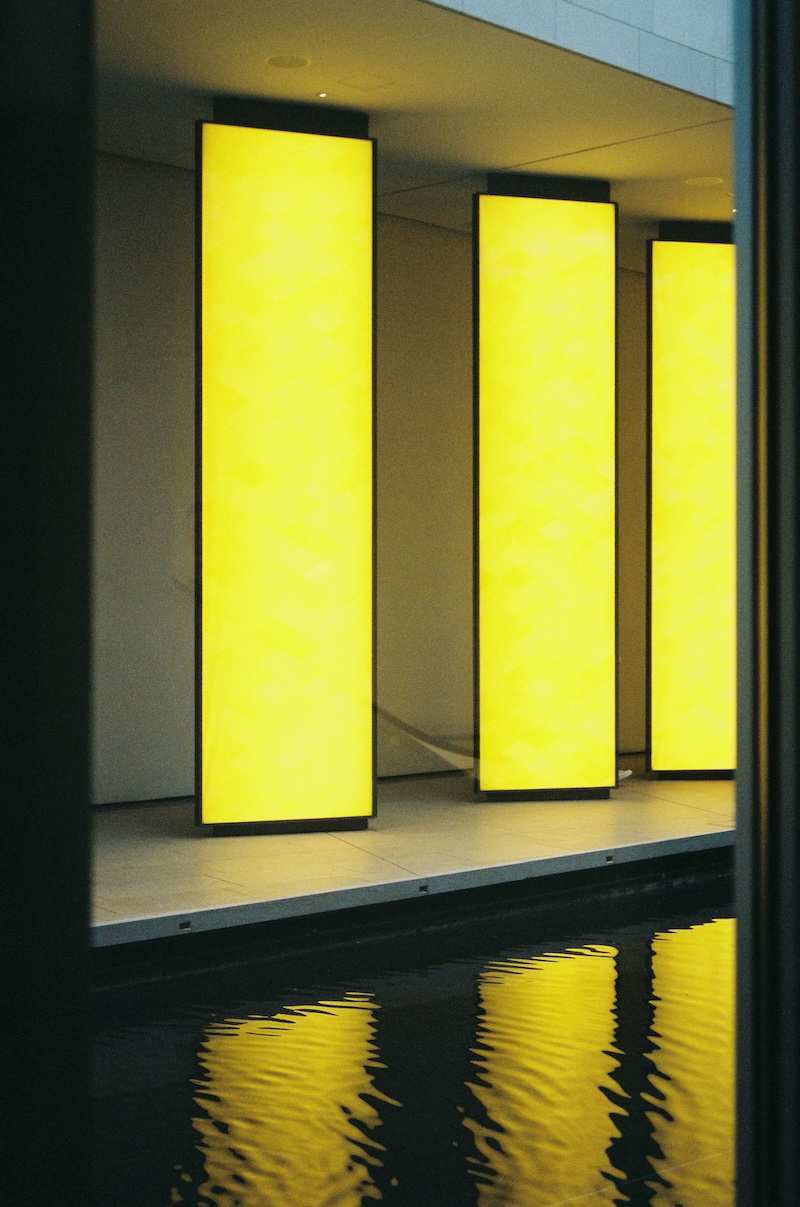
The basic architecture is straightforward. An aluminum extrusion frame – in configurations ranging from simple flat panels to complex three-dimensional structures – holds tensioned fabric graphics that are illuminated from behind by LED lighting integrated into the frame system.
Solutions such as https://segsolution.com/product-category/sego-basic-modular-lightboxes/ demonstrate how modern exhibition displays are increasingly being designed around flexibility and ease of use. Modular frame systems can be reconfigured for different booth layouts without requiring new hardware, graphics can be replaced quickly, and integrated LED lighting helps maintain a consistent visual presentation throughout the event.
The reason exhibitors choose these systems over alternatives isn’t primarily aesthetic – though the visual output is genuinely impressive. It’s the combination of visual quality and operational practicality that alternatives don’t match simultaneously. Custom-built displays look great and ship in crates that cost as much to move as to build. Traditional portable displays ship efficiently and look like portable displays. Modular lightbox systems ship in cases that fit standard freight channels and look like premium custom installations on the show floor. That combination is what the market has been looking for and what this category now reliably delivers.
The Visual Impact That Backlit Displays Create
Walk a trade show floor and the attention hierarchy is immediately visible. Backlit displays draw eyes from distances that non-illuminated graphics simply don’t reach. The mechanism is basic physics – illuminated surfaces are visible in peripheral vision in ways that reflective surfaces aren’t, which means backlit displays register in the brain before the visitor has consciously directed attention toward them.
This attention advantage isn’t subtle. Exhibitors who have used both illuminated and non-illuminated displays at comparable events consistently report meaningful differences in unsolicited visitor traffic – people who stopped because the display caught their eye rather than because they were specifically seeking that exhibitor out. In trade show contexts where foot traffic determines opportunity volume, attention reach that extends beyond the immediate booth footprint has direct commercial value.
Setup, Portability, And The Operational Reality
The operational case for modular lightbox systems is where the category earns its adoption rate among experienced exhibitors – people who’ve absorbed the hidden costs of less practical display systems and have become acutely sensitive to the operational variables that don’t appear in purchase price comparisons.
Shipping cost is the first operational variable that experienced exhibitors weight heavily. Custom-built displays ship in custom crates that require specialized freight handling – expensive to move, expensive to store between events, and subject to damage during transit in ways that require repair budgets that add to total event cost. Modular lightbox systems ship in hard cases or soft bags sized for standard freight handling. The shipping cost difference across a multi-event annual schedule is meaningful enough to substantially affect the total cost comparison between custom and modular systems.
Setup time and labor requirements are the second. Custom display installation typically requires professional installation crews – scheduled in advance, paid at show floor labor rates, and dependent on show floor access windows that don’t always align with exhibitor preferences. Modular lightbox systems are designed for exhibitor self-installation – frame components that connect without tools, fabric graphics that install by tucking edges into frame channels, LED systems that power with standard connections. A competent two-person team can install a complete modular lightbox booth in a fraction of the time a comparable custom display requires, without specialized labor costs.
Storage between events is the third. Custom displays require climate-controlled storage facilities with ceiling height sufficient for their crated dimensions – a recurring cost that compounds across years of exhibiting. Modular systems pack into cases that fit standard storage environments, often stackable, always significantly smaller than equivalent custom display storage requirements. For exhibitors with multiple events annually, storage cost reduction alone can justify the transition to modular systems within a single exhibit season.
10×10 Booths And Maximising Smaller Footprints
The space constraint that most shapes modular lightbox system design decisions is the 10×10 booths format – the standard small exhibit space that represents the majority of trade show participation for most exhibiting organizations. It’s a format that punishes poor display decisions mercilessly and rewards good ones disproportionately.
A 10×10 booth is ten feet wide and ten feet deep – one hundred square feet in which an exhibitor needs to communicate brand identity, present products or services, engage visitors, and conduct conversations, all simultaneously. The display system choice in this footprint determines whether the booth feels like a professional brand presence or a cluttered afterthought. There’s not enough space for mediocre display execution to hide.
Modular lightbox systems are particularly well-suited to the 10×10 format for several specific reasons. The backlit visual impact extends the effective presence of the booth beyond its physical footprint – visitors notice a backlit 10×10 from the distance at which they’d notice a much larger non-illuminated display. The clean, seamless visual surface that tensioned fabric graphics create makes the space feel larger and more intentional than equivalent square footage filled with traditional display components. And the modular architecture enables configurations that use vertical space efficiently – tall header displays, full-height backwalls, hanging elements – that maximize visual impact within the constrained horizontal footprint.
Brand Consistency Across Multiple Events
For exhibitors appearing at multiple events annually – different shows, different locations, different audience compositions – brand consistency across those appearances is an operational requirement that display system architecture either supports or complicates.
Modular lightbox systems support brand consistency in ways that alternative display approaches don’t match. The same frame components reconfigure into different layouts for different booth sizes – a 10×10 backwall configuration for a smaller regional show, an expanded inline configuration for a larger industry event, an island configuration for flagship appearances – while using graphics from the same visual system. The brand presentation is consistent across all configurations because the visual system is consistent, even when the physical configuration differs.
Graphic update economics are the second brand consistency dimension. Modular systems are designed for graphic changeability – the fabric graphics that carry visual content install and remove without tools, allowing exhibitors to update messaging, imagery, and campaign content between events without replacing display hardware. The cost of a graphic update is the cost of new fabric printing – a fraction of the cost of updating traditional display systems that integrate graphics into structural components. For exhibitors whose messaging evolves between shows, this changeability has direct budget implications.