




Advertisement
- Discretionary Spending Holds Strong: A majority of consumers (75%) say their discretionary spending will either increase or stay the same in 2026, presenting a significant opportunity for retailers that can meet expectations.
- Inflation Is the Primary Headwind: Spending plans remain susceptible to economic factors, with 64% of consumers citing inflation and the cost of living as the top consideration that will influence their spending plans.
- Sensory Experience Is Key: The top reason consumers choose to shop in a physical store instead of online is the ability “to see, touch or try on the product before buying” (61% U.K. / 54% U.S.).
- Instant Gratification: The second-most important factor is “the ability to get the item immediately” (54% U.K. / 53% U.S.).
- Stores as Destinations: Nearly one-fifth (19%) of all respondents visit stores multiple times a week just to browse, with no specific purchase in mind. This trend is higher among younger consumers, with 59% of 25-to-34-year-olds shopping one or more times per week without a specific purchase goal.
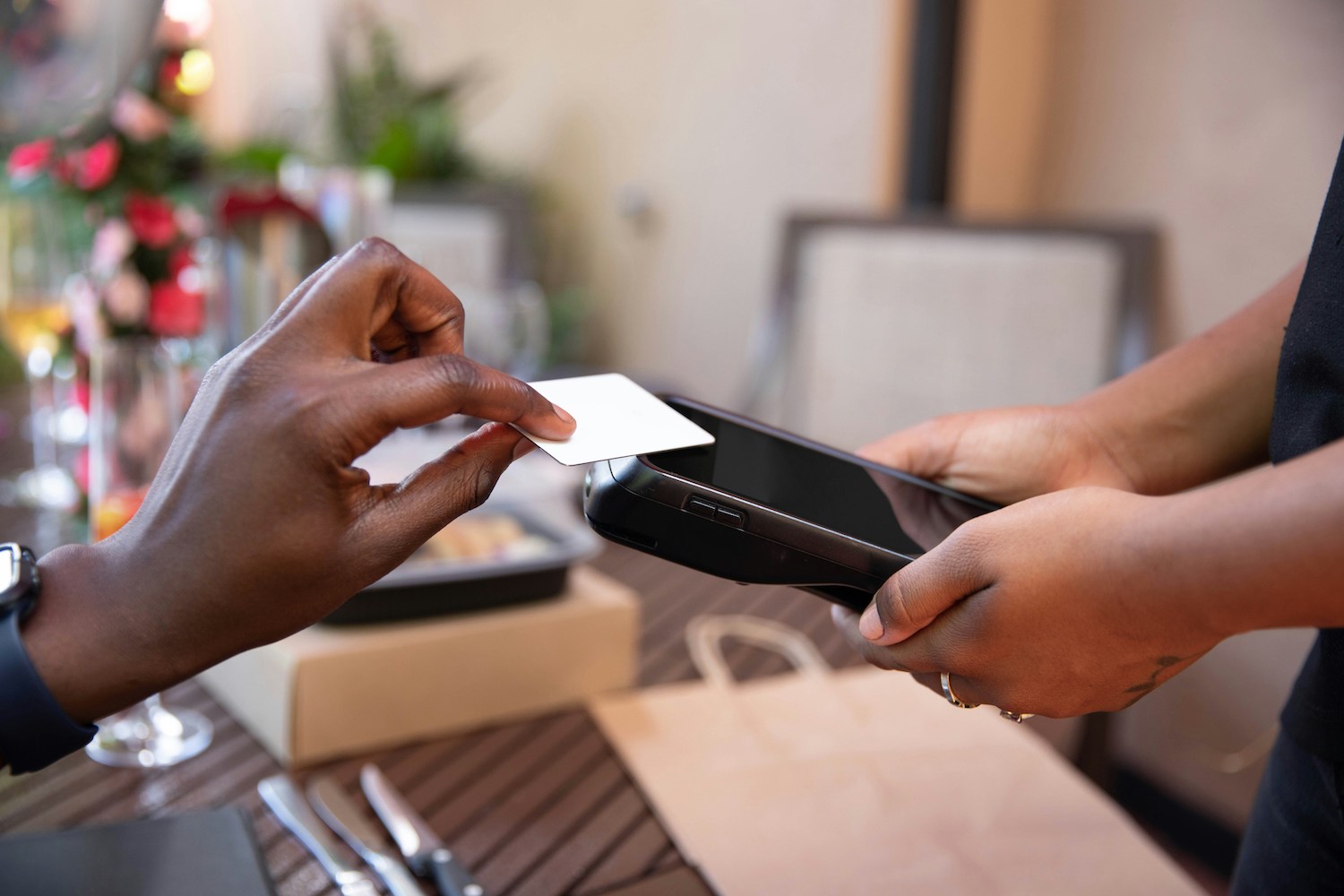
- Checkout Lines Are the No. 1 Pain Point: The most annoying in-store frustration cited by consumers is “long lines at the cash register/till” (62% U.K. / 63% U.S).
- Out of Stock Risk: The second-biggest frustration is “products being out of stock or hard to find” (53% U.K. / 51% U.S.). The report highlights that 89% of younger U.K. consumers (ages 25-34) would still be willing to make a purchase when an item is not immediately available, emphasizing the crucial need for store associate-led “endless aisle” solutions.
- Beyond the Transaction: Consumers are drawn to experiences that go beyond basic shopping. In the U.K., a permanent lounge or café area was the most likely feature to encourage a store visit (32%), while U.S. consumers prioritized a dedicated space for online order returns/exchanges (23%).
- Know Your Audience: Retailers must consider how the age of their audience might affect their expectations. For example, personal styling or shopping appointments appeal significantly more to the 18-24 age group (26%) than to those 65 and older (9%), signaling the need for in-store services that resonate.