





A shop floor can be perfectly lit and still feel flat. Hard surfaces bounce sound, chill the light and give the eye nothing to settle on. Designers usually notice it in the slow zones first. The seating nook, the fitting-room lobby and the concession corner all suffer.
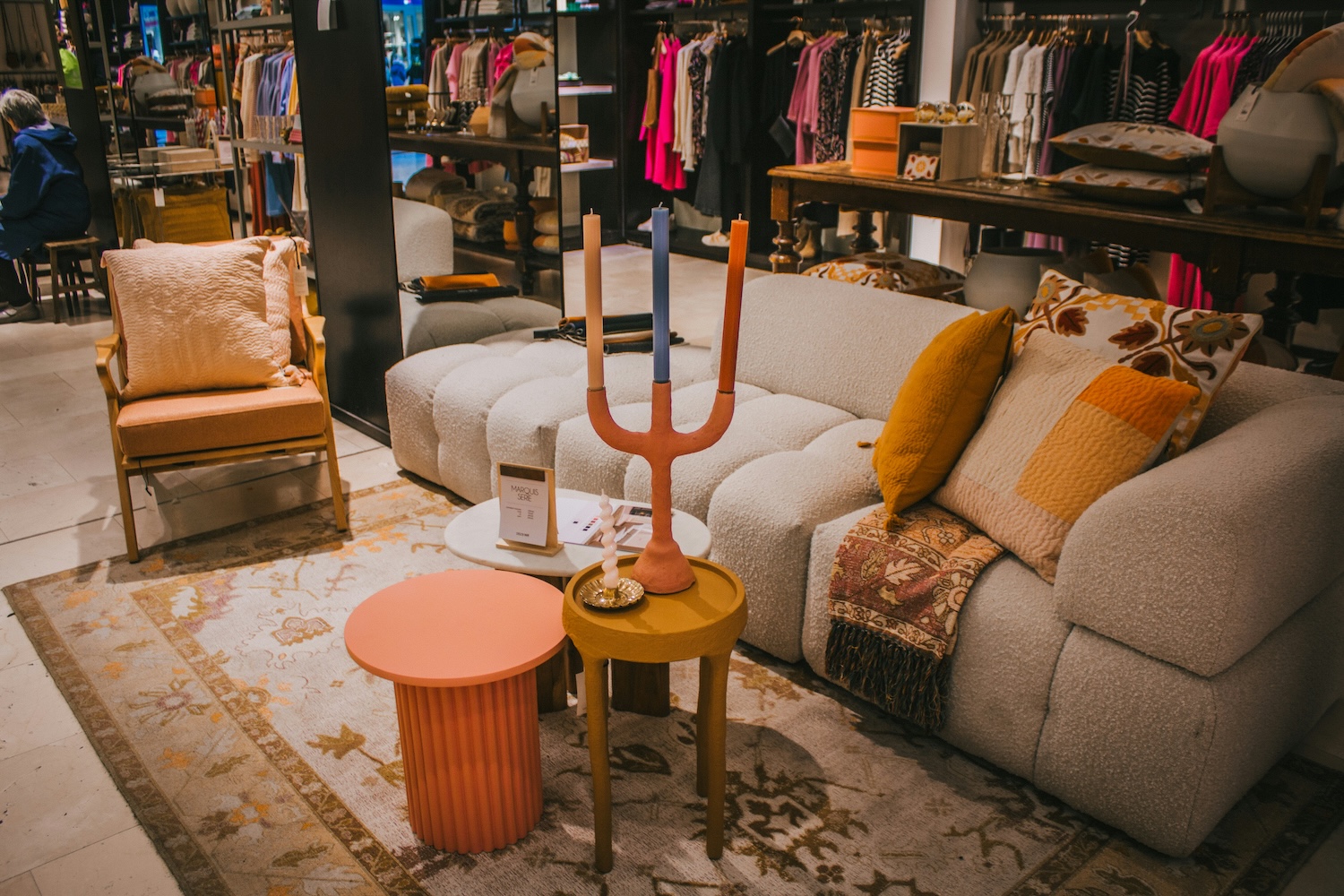

Specifiers still hesitate over natural materials in high-traffic space, and upkeep is normally the reason. Cowhide rugs naturally repel dirt and dust, which keeps them viable in rooms that take heavy weekly footfall. That one property moves the material off the residential wish list and onto a commercial shortlist. This piece walks the specification decisions that follow.
Why Does Texture Earn Its Place In a Store Scheme?
Retail schemes are judged on how long a shopper lingers, not on how clean the render looked. Texture slows people down because it changes what the eye and foot report. A soft island inside a hard shell reads as an invitation to pause.
Acoustics matter as much as looks here. A room of glass, tile and metal returns sound at the shopper and makes conversation tiring. Placing a hide under a bench or table absorbs part of that reflection. Staff notice the difference on a busy Saturday before customers ever mention it.
Texture also supports the storytelling side of a scheme. Guidance on visual merchandising and sales potential is worth reading beside any materials board. A tactile floor plane gives display props something to sit against.
Where Does Natural Hide Work On a Retail Floor?

Hide belongs in the low-traffic pockets of a store, not across a main runway. The best results come from treating each piece as a defined island.
- Fitting-room lobbies, where shoppers wait, sit and change footwear.
- Concession corners that need a visible edge without built partitions.
- Window schemes, where an irregular outline breaks up flat plinths.
- Furniture showrooms, under a single table or a hero armchair.
- Beauty and fragrance counters, softening tall gondola runs.
- Event and pop-up builds that must land and strike within days.
Each of those zones shares one trait. Footfall crosses them at walking pace rather than in a rush.
How Does Hide Perform Under Retail Footfall?
Any rug on a hard floor raises a safety question before a style one. The UK benchmark is the pendulum test, and the pendulum tester for floor slip resistance is the method most UK specifiers work to. A pendulum value of 36 or above is treated as low slip risk in public areas.
Bring that logic to the rug itself, not just the substrate. Specify an anti-slip underlay or a bonded gripper edge on every piece. Check the reaction-to-fire classification with your supplier before issuing the schedule.
Wear behaviour is the other half of the answer. Natural hide has no pile to crush, so it does not flatten into traffic lanes the way a tufted rug does. The hair lies in a natural direction and hides small marks well.
Sizing, Layering and Zoning for Merchandising
Hides arrive in irregular shapes, which is a planning advantage rather than a problem. A single large hide usually covers around 4 square metres of floor.
- Size the piece to the furniture group, allowing the front legs to sit on it.
- Layer 2 smaller hides for a wider zone instead of forcing one oversized piece.
- Keep at least 300 mm of clear hard floor between the rug edge and any fixture.
- Turn the piece seasonally so light exposure stays even across the surface.
- Order a spare for rotation during deep cleans or a window changeover.
Colour choice does real merchandising work. Ideas on decor opportunities across retail surfaces apply neatly to floor planes. A grey or tricolour hide sits under most product palettes without competing.
Sourcing, Traceability and the Questions Buyers Ask
Traceability now appears in tender documents as standard. British tanneries work to strict environmental and chemical standards for leather, which gives a buyer a defensible sourcing story. Retail clients with published policies will ask for that paperwork.
Ask a supplier 3 practical questions before committing. Where was the hide tanned, how is each piece graded, and can you see the exact hide you will receive? Sellers that photograph every hide individually remove most of the delivery risk.
Provenance also feeds the design story. Material character in commercial space runs through creating character in commercial interiors too. A hide sourced from Italy or Spain gives sales staff something true to say.
A Specifier’s Checklist for Natural Hide
- Confirm the exact hide, its measurements and its markings before ordering.
- Specify anti-slip backing or underlay on every piece in a public area.
- Record the reaction-to-fire classification in the finishes schedule.
- Keep hides out of doorways, tills and other pinch points.
- Brief cleaning teams to shake and vacuum without a beater bar.
- Agree a rotation stock so a soiled piece can be swapped in an hour.
- Request tannery and traceability evidence for the client sustainability file.
Frequently Asked Questions
Are Cowhide Rugs Practical In High-Traffic Retail Spaces?
They work best in pause zones rather than main circulation routes. Hide has no pile to flatten, so it copes well with steady walking traffic. Keep it away from entrances where grit and water arrive first.
How Do You Clean a Hide Rug On a Shop Floor?
Vacuum with a suction head and no rotating brush, following the direction of the hair. Lift and shake the piece out weekly during trading periods. Blot spills quickly with a damp cloth rather than soaking the surface.
What Size Hide Suits a Fitting-Room Lobby?
A single hide of roughly 4 square metres anchors a bench and a mirror comfortably. Layering 2 medium pieces suits a longer lobby better than one huge rug. Always leave clear hard floor around the doors themselves.
Do Natural Hides Suit a Sustainability Brief?
They can, provided the sourcing evidence stands up. Hide is a by-product of the meat industry and lasts for many years with basic care. Ask for tannery details and traceability records before writing it into a brief.
Putting Texture On the Materials Board
Natural hide is a small line in a fit-out budget with a large effect on how a room feels. It softens sound, warms the light and gives shoppers a reason to stop moving. Those are the same outcomes most schemes chase with far costlier interventions.
Treat it as a specified product rather than a styling afterthought. Pin down the slip detail, the fire evidence and the sourcing file at design stage. Then let the irregular edge do what straight lines cannot.