






The days when companies used advertising to define what customers thought of them are over. Thanks to social media, customers now shape a brand’s image themselves. And in doing so, they evaluate not only product quality but the entire brand experience.
Before the advent of the Internet and social networks like Facebook and others, consumers had little choice but to rely on the brand promise made by the manufacturer when making a purchase decision. For example, semiconductor manufacturer Intel came up with a brilliant campaign idea to reassure people buying their new Intel PCs with the slogan: “Nobody ever got fired for hiring IBM.” Credible brand promises backed by sufficiently large advertising budgets were enough to generate new customers. And a consistent brand experience, with a recognisable look and feel and a brand tone that never changed—almost guaranteed that one-time buyers would become repeat customers.
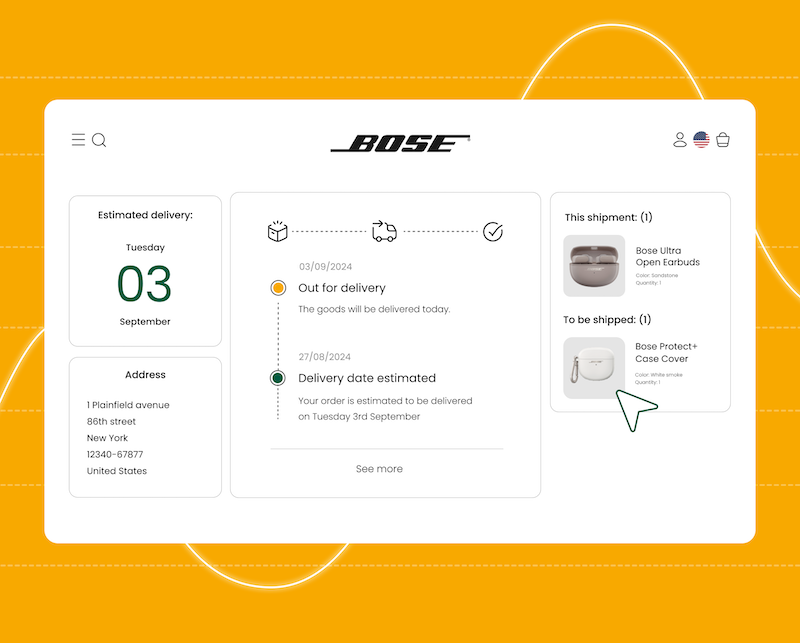

Customers evaluate not only the product, but above all the customer experience
However, those good old days are over with the dawn of the Information Age. Companies no longer have sole control over what customers think of them and how they form those opinions. Instead, customer reviews, social media comments, influencer posts, and unboxing videos shape the public perception of manufacturers and products. And this takes into account not just product quality, but the entire experience a customer has with a company throughout the purchasing process and beyond. This is evident, for example, in the fact that Amazon product reviews often include the phrase: “Smooth and fast delivery.” This has little to do with the product itself, but a great deal to do with the customer experience.
“The key to customer loyalty is a seamless customer service experience,” writes the management consulting firm Gartner in a report on the topic. Or, to put it in modern terms: Experience loyalty beats brand loyalty. If you want to retain customers in the long term, you must do everything possible to make their lives as convenient and easy as possible. Every obstacle, no matter how small, in the relationship between the company and the customer must be swept out of the way as quickly as possible. After all, shoppers are quick to vent their frustration loudly on Facebook if they have to wait for hours on the customer service hotline or receive generic, cookie-cutter responses to personalised email inquiries. And anyone who has to go through a gruelling process to return an online order will most likely just choose a different provider next time.
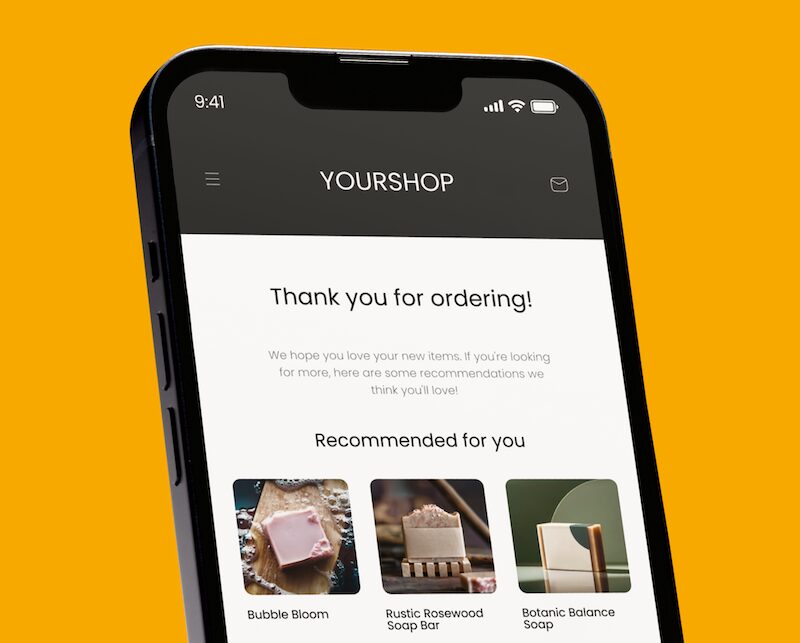
If you want to build experience-based loyalty, you have to see things through the customers’ eyes
But how can manufacturers and retailers improve their customers’ experience-based loyalty? The answer: by seeing things through their customers’ eyes—and thus considering the entire customer journey, not just the process from entering the store to checkout. Even in their marketing efforts, retailers must take into account that every customer has preferred channels—and cater to them accordingly. In the online store, mobile customers should be offered a shopping experience that’s just as good as that of customers visiting the web store via their desktop PC. On product detail pages, potential questions customers might have about a product should be answered clearly and comprehensively. Retailers also demonstrate a customer-focused approach by personalising their product assortment and avoiding making customers scroll through pages of product lists. And at checkout, retailers should offer all relevant payment options and request as little data as possible.
However, one thing that’s often overlooked when optimising the experience loyalty is that the shopping experience doesn’t end after clicking the “Buy” button. On the contrary: The shipment of the order is the most emotional part of the customer journey and a key lever for converting one-time customers into enthusiastic repeat customers. To find out what customers expect in terms of the operations experience—that is, the time between placing an order and successful delivery or completion of a return—parcelLab, in collaboration with the market research firm YouGov, surveyed 2,000 online shoppers last summer about their preferences. Among the key findings: 86 per cent of customers expect free shipping. 71 per cent want the option to choose between different carriers. 68 per cent would appreciate being notified of delays in the shipping process. And 59 per cent value the option of express delivery. Returning an order should also be easy for the customer—for example, by including return labels and offering free returns. Finally, after-sales services—such as lifetime warranties—also play a crucial role in customer retention.
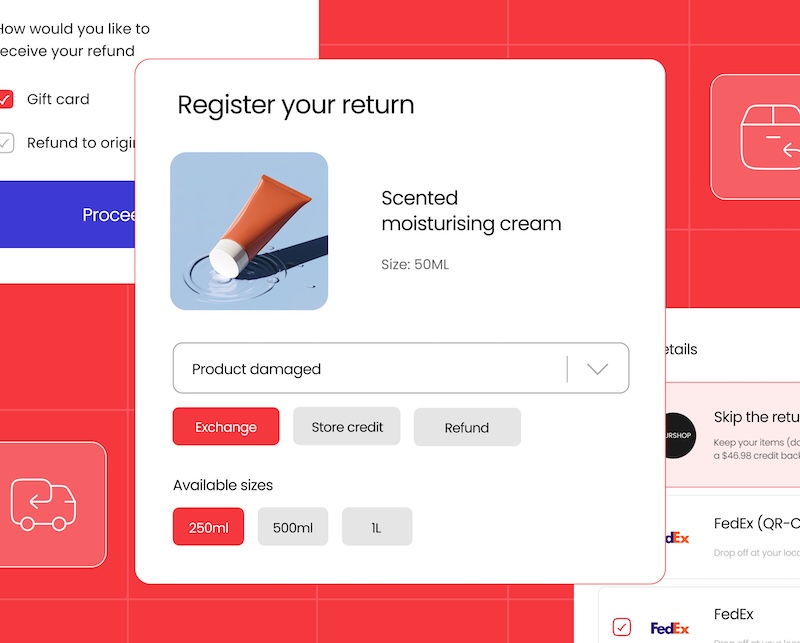
Companies that deliver an excellent customer experience across all these areas stand out positively from the competition and win the battle for customers.