





Parquet flooring brings a distinctive look to any home with its geometric patterns and natural wood appeal. However, this type of flooring requires careful thought before purchase. Buyers need to understand several key factors that affect both the initial cost and long-term satisfaction with their floors.
The right parquet choice depends on the wood type, pattern style, subfloor conditions, and how much time an owner can dedicate to maintenance. Different rooms in a home may need different approaches. The UK market offers both solid and engineered options, each with specific advantages for various spaces and budgets.
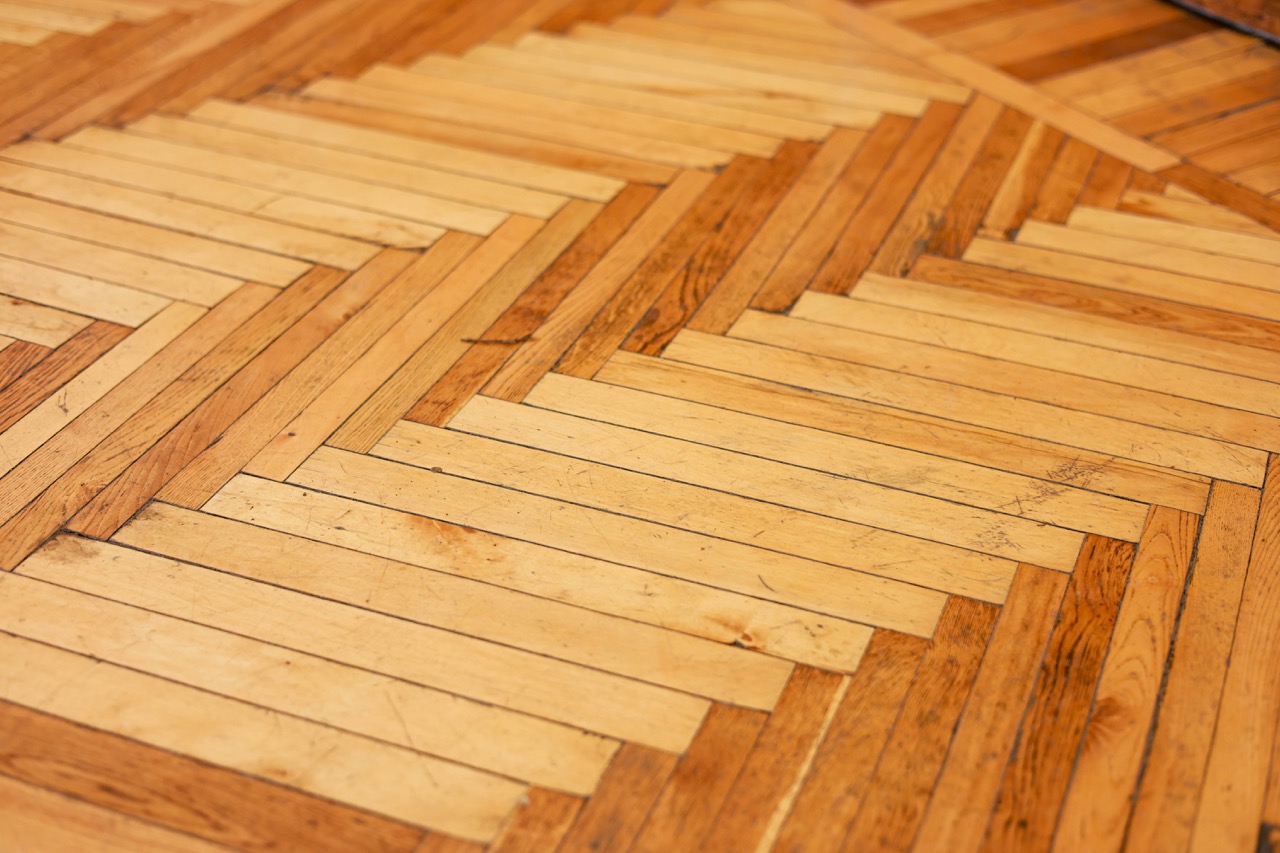
This guide covers the essential points homeowners should review before they commit to parquet flooring. Readers will learn about popular patterns, wood species, installation methods, and what maintenance these floors require over time.
Understand different parquet patterns like herringbone, chevron, and Versailles panels
Parquet floors come in several classic patterns that each create a different look. The three most popular styles are herringbone, chevron, and Versailles panels.
Herringbone uses rectangular blocks laid at right angles to form a broken zigzag pattern. The pieces overlap at the ends like brickwork. This pattern suits both traditional and modern homes and works well in high-traffic areas.
Chevron looks similar to herringbone but has a key difference. The blocks meet at precise angles to form a continuous V-shape without any overlap. Therefore, each piece must be cut at an angle before installation. The result is a more streamlined appearance that many people prefer for a contemporary feel.
Versailles panels create an elaborate geometric design that originated in French palaces. These panels typically feature large square sections with smaller blocks arranged in intricate patterns inside. However, this style requires more planning and often costs more than simpler patterns. Buyers can explore parquet flooring options at Luxury Flooring or at different online shops to see examples of each pattern style.
Choose between solid and engineered wood based on your subfloor and moisture levels
The type of subfloor in a home affects which parquet option works best. Solid wood needs a stable timber subfloor or battens because it requires nailing or secret fixing. In contrast, engineered wood adapts to more situations. It can go over concrete, underfloor heating, and existing floors.
Moisture levels play a major role in this decision. Solid wood expands and contracts more with humidity changes. Therefore, it suits rooms with stable conditions like bedrooms and living rooms.
Engineered wood handles moisture better due to its layered structure. The top layer is real wood, but the base layers resist movement. This makes it suitable for kitchens, ground floors, and homes with underfloor heating.
Areas with high moisture or temperature shifts need the flexibility of engineered boards. Solid wood in these spaces risks warping or gaps between planks. However, solid wood offers better long-term durability in dry, stable environments.
Consider the wood species, such as oak or walnut, for durability and appearance
The choice of wood species affects both how parquet flooring looks and how long it lasts. Oak stands as one of the most common options for parquet because it offers strong durability and comes in various colours and grain patterns. It works well in high-traffic areas and resists wear over time.
Walnut provides a different aesthetic with its darker tones and rich appearance. However, it tends to be softer than oak, which means it may show scratches more easily in busy rooms. This species suits spaces where elegance matters more than heavy foot traffic.
Different wood types belong to various durability classes based on their natural resistance to decay and wear. Oak typically ranks higher in durability compared to walnut. The wood species selected should match both the room’s purpose and the desired look.
Lighter woods like oak create a brighter feel in a space. Darker species, such as walnut, add warmth and sophistication. Consider how much use the floor will receive before making a final decision.
Evaluate the installation process – professional fitting is recommended for intricate designs
Parquet floor installation requires specialist knowledge and careful attention to detail. The process involves precise measurements and complex pattern work that can challenge even experienced fitters. Unlike standard plank floors, parquet blocks need exact placement to create the desired design.
Homeowners should consider the technical complexity before they decide to install parquet themselves. Herringbone, chevron, and basket weave patterns demand accuracy at every step. A single mistake can disrupt the entire layout and waste materials.
Professional fitters bring years of experience to the job. They assess subfloor conditions, prepare surfaces properly, and ensure each piece fits perfectly. Installers also understand how different wood types expand and contract over time.
DIY installation may seem cost-effective at first. However, errors often lead to additional expenses for repairs or replacement materials. Professionals complete the work faster and deliver better results. They also provide guarantees on their workmanship, which offers peace of mind for years to come.
Factor in maintenance requirements, including regular cleaning and periodic resealing
Parquet floors need regular care to stay in good condition. Daily or weekly sweeps remove dirt and dust that can scratch the surface over time. For deeper cleans, owners should use a cleaner made for wood floors rather than standard household products.
The type of finish affects how much work the floor needs. Lacquered parquet requires less frequent attention than oiled varieties. However, both finishes will need professional resealing every few years to protect the wood and keep it attractive.
Resealing costs money and takes time. Property owners should budget for this process, which typically happens every three to seven years based on foot traffic levels. Areas with heavy use may need more frequent treatment.
Some products leave residue that builds up and dulls the floor’s appearance. Therefore, it’s important to choose cleaners that rinse away completely. This prevents the need for extra maintenance work later on.
Conclusion
Parquet flooring offers a distinctive look that suits both traditional and modern homes across the UK. Buyers should consider their budget, the room’s purpose, and their ability to maintain the floor before they purchase. Engineered parquet provides easier installation and better moisture resistance than solid wood options. The investment can add value and character to a home, but only if the floor type matches the household’s lifestyle and needs.