





Retail design conversations tend to focus on fixtures, lighting, materials and layout, the elements that shape how a space feels before a customer has interacted with a single member of staff. Uniform rarely gets discussed with the same seriousness, despite being one of the few design elements that moves through the space, interacts directly with customers, and is present in every single transaction. That’s a gap worth addressing, because when uniform is treated as an extension of the wider store design, rather than a separate operational decision, the results tend to be noticeably more coherent.
Why casual garments are winning
Across a wide range of retail categories, this has translated into a clear move towards casual, comfortable base garments rather than traditional corporate uniform. Retailers building this into their design briefs are increasingly specifying heavyweight blank hoodies and sweatshirts as the foundation, choosing them for the way they read visually, relaxed, current, approachable, as much as for practical comfort during long shifts on the shop floor.
Uniform as a material choice
Approached properly, uniform selection involves many of the same considerations as choosing a material finish or a lighting temperature: does it suit the mood the store is trying to create, does it hold up under the conditions it will be used in, and does it feel consistent with everything else a customer encounters in the space.
A store built around a relaxed, casual brand identity undercuts that identity if its staff are dressed in stiff, corporate uniform, and the reverse is equally true for a more premium positioning.
Working within retail design budgets
From a practical standpoint, building uniform around quality blank garments rather than fully bespoke manufacturing gives retail design teams considerably more flexibility within typically constrained budgets. It allows a design concept to be tested at a small scale, refined, and only committed to at volume once it’s been validated in a live store environment, an approach that mirrors how most other elements of a retail fit-out are prototyped before wider rollout.
Consistency across a multi-site estate
For retailers with several locations, uniform also plays a role in maintaining design consistency across an estate, in the same way shopfront signage or till point design does.
Treating uniform sourcing as part of the same specification process as other store elements, rather than leaving it to individual store managers to interpret, helps ensure that a brand’s visual identity holds together whether a customer is in the flagship store or a smaller satellite location.
Fit and fabric as visible design decisions
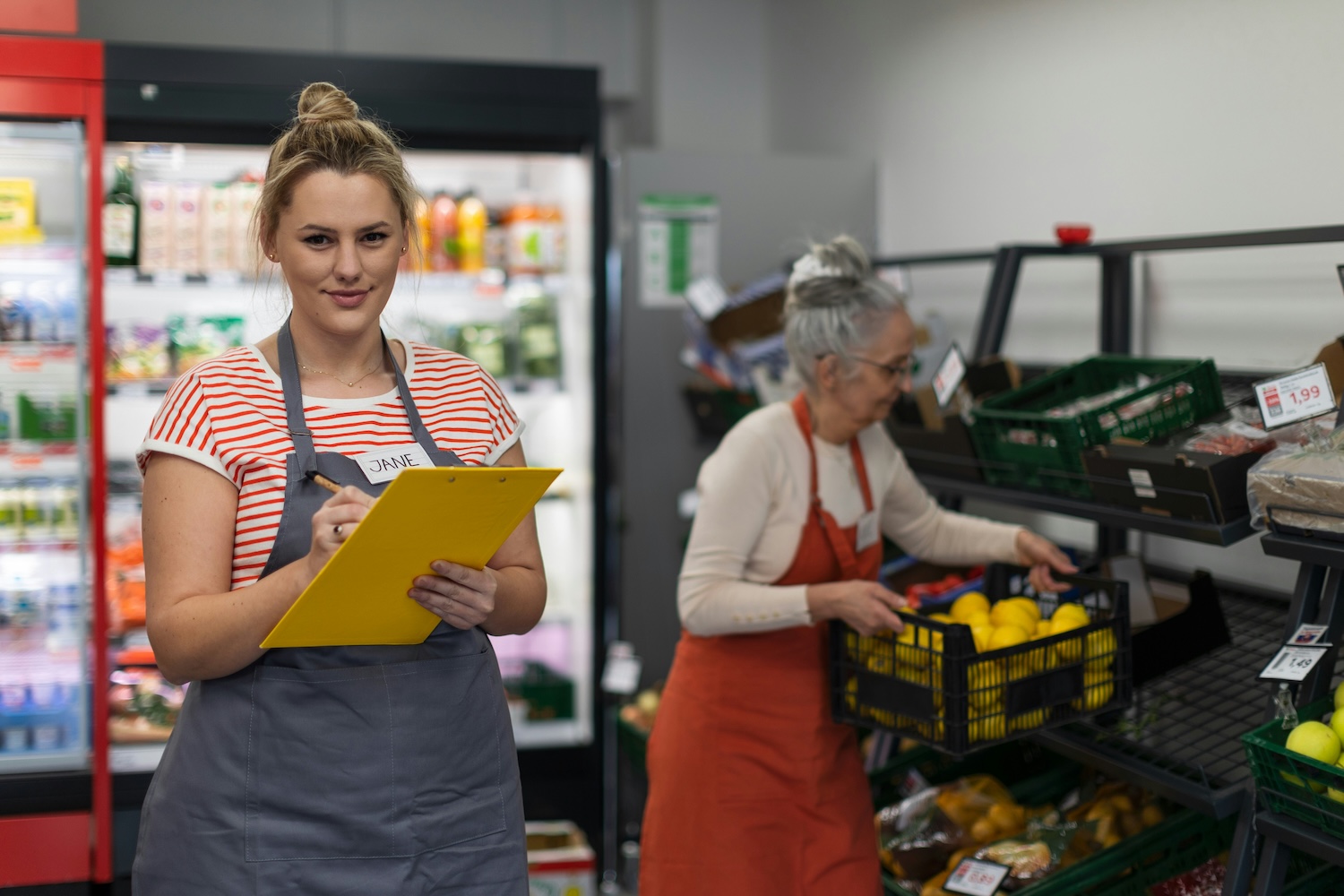
The specific weight and cut of a garment communicates as much about a brand’s positioning as its colour palette does. A heavier, well-constructed hoodie reads as considered and intentional in a way a thin, ill-fitting one doesn’t, regardless of how well the logo itself has been designed.
Retail design teams increasingly treat this as seriously as they would a fabric or material sample for the physical store, testing garments in situ before finalising a specification.
Building in a review cycle
Uniform specified once and left unreviewed for years tends to drift out of step with a store’s evolving design language, particularly as fixtures and branding are refreshed on their own separate timelines. The retailers managing this well tend to build uniform into the same periodic design review as other elements of the store environment, ensuring what staff wear keeps pace with how the space itself continues to develop.
Flagship stores versus everyday locations
There’s a meaningful design distinction between how uniform is approached in flagship locations, where a retailer might commission something closer to genuinely bespoke clothing to match a heavily designed space, and everyday, high street locations, where quality blank garments printed or embroidered locally remain the more practical and cost-effective choice.
Design teams increasingly plan for both scenarios from the outset, treating flagship uniform as an extension of the flagship experience specifically, while keeping the wider estate on a more scalable, blank-garment-based approach that still reflects the same underlying brand language.
Where the industry appears to be heading
As retail design continues to borrow more heavily from hospitality and experiential design disciplines, where staff presentation has long been treated as integral to the overall guest experience, expect uniform to keep climbing up the priority list in retail design briefs specifically.
Design teams that have historically left uniform decisions to operations or HR are increasingly being looped in earlier, at concept stage rather than after a store’s physical design has already been finalised, which suggests the industry is moving towards treating uniform as a genuine design discipline in its own right, rather than a late-stage addition to an otherwise finished scheme.
Discipline finding its place in the brief
Retail design as a discipline has spent the last decade becoming considerably more rigorous about materials, lighting and spatial planning, with uniform lagging noticeably behind in terms of the design attention it receives. Closing that gap doesn’t require a wholly new set of skills or processes, largely just a willingness to apply the same specification discipline already used elsewhere in a store’s design to the clothing worn by the people standing in it.

The wider design brief
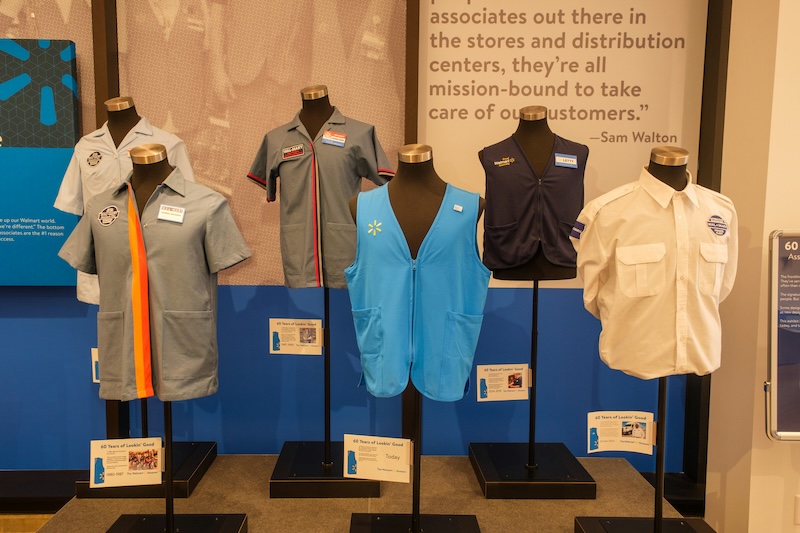
As retail design continues to focus on creating spaces that feel considered in every visible detail, uniform is likely to keep moving further into that conversation rather than sitting apart from it. It’s a comparatively low-cost element to get right relative to fixtures or lighting, but one that’s present in every customer interaction, which arguably makes it more consequential to the overall experience than its position in most retail design budgets currently reflects.