






For many football clubs, financial survival no longer depends only on ticket sales or broadcast deals. Retail activity has become a central part of how clubs function, compete, and grow. Shirt sales, accessories, and digital merchandise offer revenue streams that work year-round, far beyond the football calendar.
Many of these sales now connect directly with matchday activities, such as promotions linked to squad announcements or betting-related engagement. For example, clubs often partner with platforms that align with fan routines. 1xBet football betting platform in Ireland contributes to this trend by integrating live events with digital purchases, tying emotional investment to consumer action.
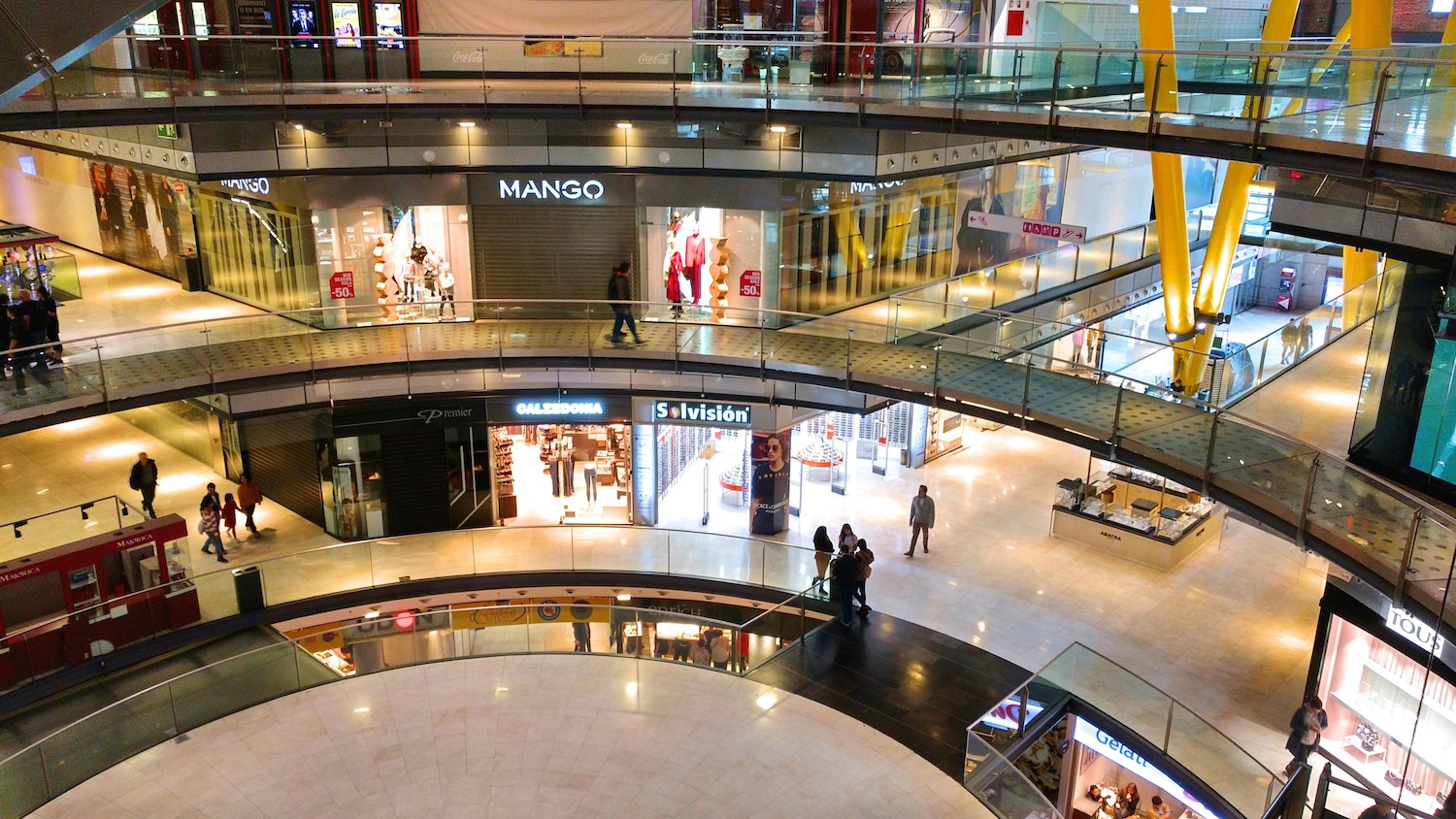

Retail no longer just supports the club – in many cases, it shapes the club’s identity in public view. The way merchandise is presented affects profitability.
Jerseys and financial leverage
Jerseys remain the centrepiece of football retail. A club’s shirt carries emotional weight, corporate visibility, and financial meaning. When a new design is released, reactions can stretch from loyal local fans to global audiences in distant markets.
Top clubs release new kits every season, often including third or special-edition variants. These launches are scheduled, marketed, and priced strategically.
- Release cycles usually match pre-season tours, ensuring international exposure.
- Sponsorship agreements often tie into kit design and distribution.
- Replica kits are tiered by price, with “stadium” and “authentic” versions.
Retail sales from jerseys frequently reflect the club’s on-pitch form, but also key signings. A new player transfer can increase shirt sales by tens of thousands in weeks. These bursts of revenue often balance transfer spending.
Merchandising beyond clothing
Modern football merchandising reaches well beyond apparel. From mugs and calendars to branded headphones and e-games, clubs explore every item that carries their badge. Each product category serves a different audience segment.
Youth lines tend to focus on playful or colourful branding, while collectors often look for limited-run or retro items. In many cases, clubs revive older designs to drive second-wave sales.
- Matchday programmes are now reissued as premium collectibles.
- Some clubs launch fashion collaborations or homeware ranges.
- Stadium stores use geo-fencing and push notifications to increase in-person sales.
These strategies also extend into digital. Clubs now offer NFTs, player-themed downloads, or interactive apps with merchandise incentives. Each item works to boost revenue, but also to extend the emotional link between fan and club.
The retail calendar and its risks
Like the football calendar, retail operations follow a fixed rhythm. Launches and seasonal promotions are scheduled well in advance.
Football clubs now use analytics to plan retail activity. From past sales patterns to player popularity indexes, every detail is tracked. Clubs have even adjusted pricing models based on regional income data or local inflation.
- Limited-time merchandise is used to counter slow match periods.
- Loyalty discounts for season ticket holders drive early-year income.
- Holiday bundles increase volume through price packaging.
Global audiences, local outlets
Many football clubs rely on international markets for retail revenue. However, physical presence still matters. Stadium megastores serve as marketing tools just as much as revenue sources. Fans travelling to matches often prioritise retail visits, treating them as ritual.
Smaller clubs adapt this pattern through online platforms, relying on distribution deals and regional affiliates. Some share warehousing space to reduce costs. Others piggyback on sponsor networks to widen product reach.
Economic influence and competitive balance
Retail revenue affects club economics in ways that extend beyond balance sheets. It influences transfer budgets, wage negotiations, youth development, and infrastructure investment. Clubs with strong merchandising arms often sustain better financial ratios and borrow less against future income.
Merchandising also helps clubs remain visible during off-seasons or during lower performance periods. Strong retail performance can soften the effects of early tournament exits or mid-table league finishes.
A practical pillar in club growth
Retail is no longer a background operation. It plays a real part in how football clubs develop economically and maintain fan loyalty. From matchday sales to international shipping, every unit sold contributes to the bigger financial picture.
With digital growth and behavioural data shaping how fans interact, clubs have more tools than ever to refine their retail approach. This retail focus, once secondary, is now a practical pillar of modern football management.